
- BT's UK workforce, including contractors, fell by 11% to 90,000 over the past year.
- Pre-tax profits rose 12% to £1.1bn, helped by £312m in annualised savings.
- BT has not guaranteed the jobs of around 900 TalkTalk employees as the acquisition faces regulatory scrutiny.
BT's UK workforce, including direct employees and contractors, has fallen by 11 per cent to 90,000 over the past year, as chief executive Allison Kirkby pushes ahead with a major restructuring programme.
The company cut 11,712 roles in the 12 months to September, with more than 7,700 of those reductions taking place in the six months to September alone. Much of the latest reduction came from Openreach, where the company needs fewer resources following the peak of its full-fibre network construction.
The cuts form part of a longer-term plan to reduce BT's workforce to between 65,000 and 70,000 by 2030, excluding its international operations. The target reflects a wider effort to simplify the business, improve productivity and bring down operating costs.
The scale of the restructuring is becoming increasingly visible in the company's financial results. Pre-tax profits rose 12 per cent to £1.1bn in the six months to September, while revenue increased by just one per cent to £8.8bn.
BT said it had achieved £312m in annualised savings during the first half, as it continued to reduce costs across the group. It is targeting £3.5bn in gross annualised savings by the end of the decade.
Why is BT continuing to cut jobs?
The reductions are part of a broader transformation under Kirkby, who has been trying to reshape BT around its UK connectivity business.
One of the biggest factors is the changing workload at Openreach. After years of investment in expanding its full-fibre network, the pace of construction is reaching a different phase, reducing the need for some of the resources deployed during the build-out.
The company is also looking to make greater use of technology and automation to improve productivity. BT has previously discussed the potential impact of artificial intelligence on its workforce, including the possibility that automation could reduce the need for certain roles.
However, the financial results show that cost reduction is not the only challenge facing the group. Normalised free cash flow fell 59 per cent to £236m in the first half, while net debt increased by £1bn to £21bn.
BT is also facing pressure in its broadband business. Openreach reported record demand for full-fibre connections, with more than 10 million homes and businesses connected by October. Yet it lost 366,000 broadband lines in the first half, and expects to lose around 800,000 over the full financial year.
The contrast highlights the difficulty facing the telecoms group. It is expanding its fibre infrastructure while trying to control costs and retain customers in a competitive market.
Could TalkTalk employees face further job losses?
The next stage of BT's restructuring is attracting attention because of its recent rescue of TalkTalk.
BT acquired TalkTalk's consumer and wholesale businesses in October through a deal estimated to cost around £400m this financial year. The transaction brought approximately 900 employees into the group and secured services for around 2.5 million customers.
But Kirkby has declined to guarantee that those jobs will be protected.
Speaking to reporters, she said BT could not offer assurances on employment while the deal remained under regulatory review. The company is required to keep the acquired businesses ring-fenced and operate them separately while the regulatory process continues.
The deal has also raised questions about competition in the broadband market. BT's acquisition is expected to increase its share of the market from around 29 per cent to 35 per cent, prompting concerns that reduced competition could eventually affect customers.
Culture secretary Lisa Nandy intervened on public-interest grounds, citing the potential disruption to hospitals and other critical services if TalkTalk had collapsed. The Competition and Markets Authority is examining the deal.
The pressure to reduce costs is not confined to BT. Rival Virgin Media O2 has also announced plans to generate £800m in annual savings by 2029, with around £300m expected to come from workforce reductions. It has not disclosed how many jobs could be affected.
For BT, the immediate challenge is to integrate TalkTalk, protect its customer base and continue investing in its network while delivering the savings promised to investors.
The latest figures suggest that the restructuring is already improving profitability. But with the workforce expected to shrink further by 2030 and the future of TalkTalk employees still uncertain, the human cost of the transformation remains an important question.



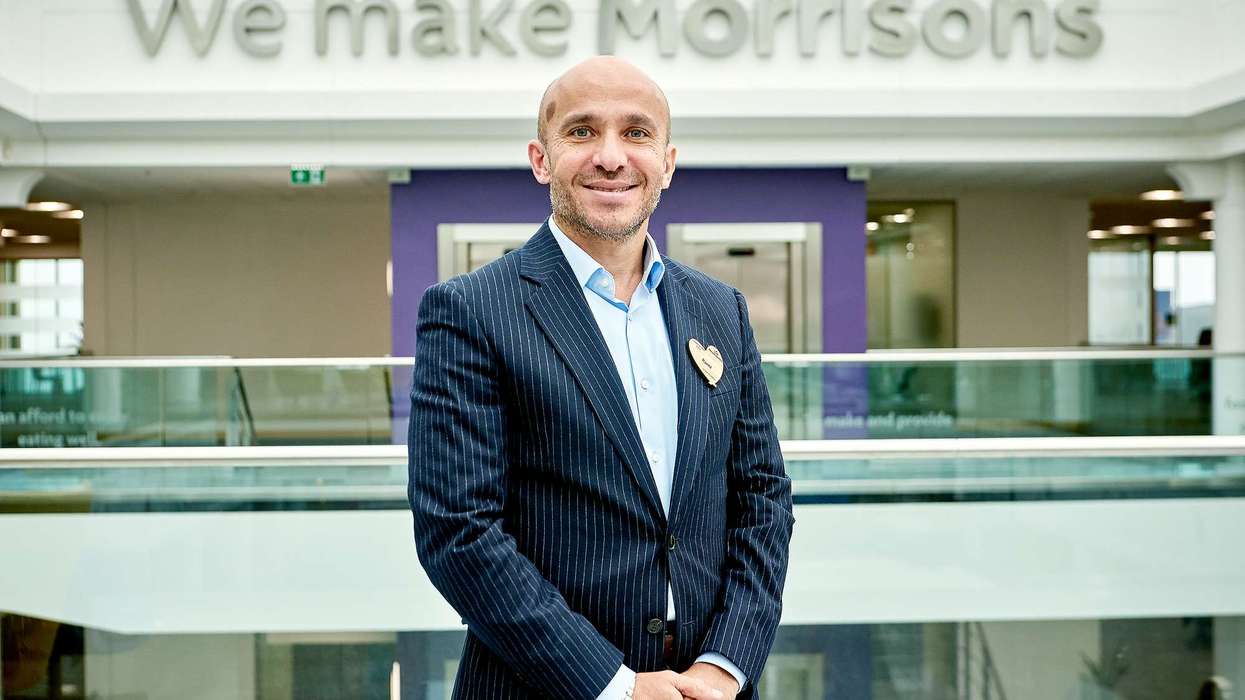
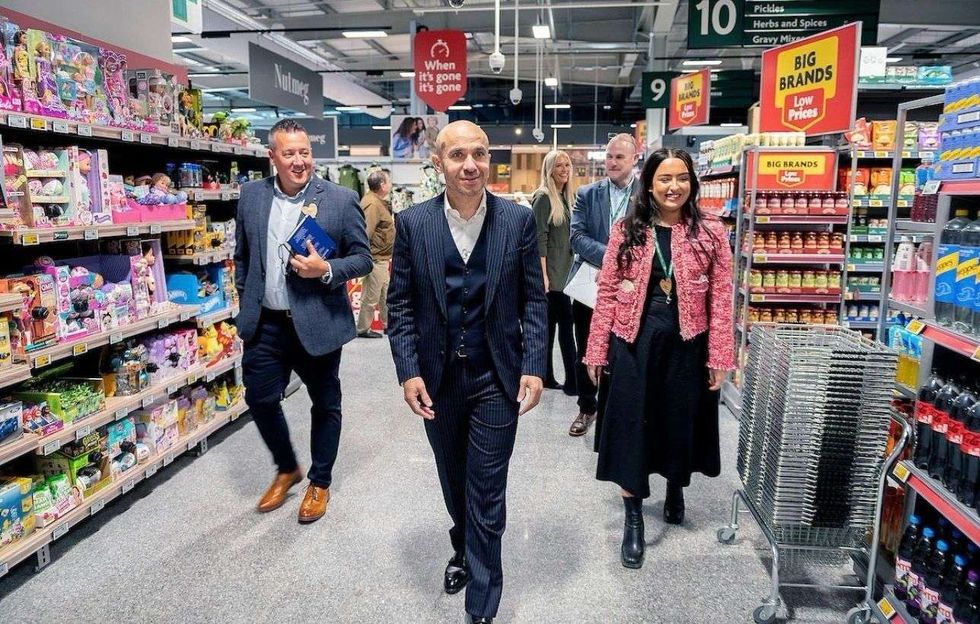 Baitiéh during a visit to a Morrisons storeEastern Eye
 Baitiéh celebrating with colleagues at a store eventEastern Eye
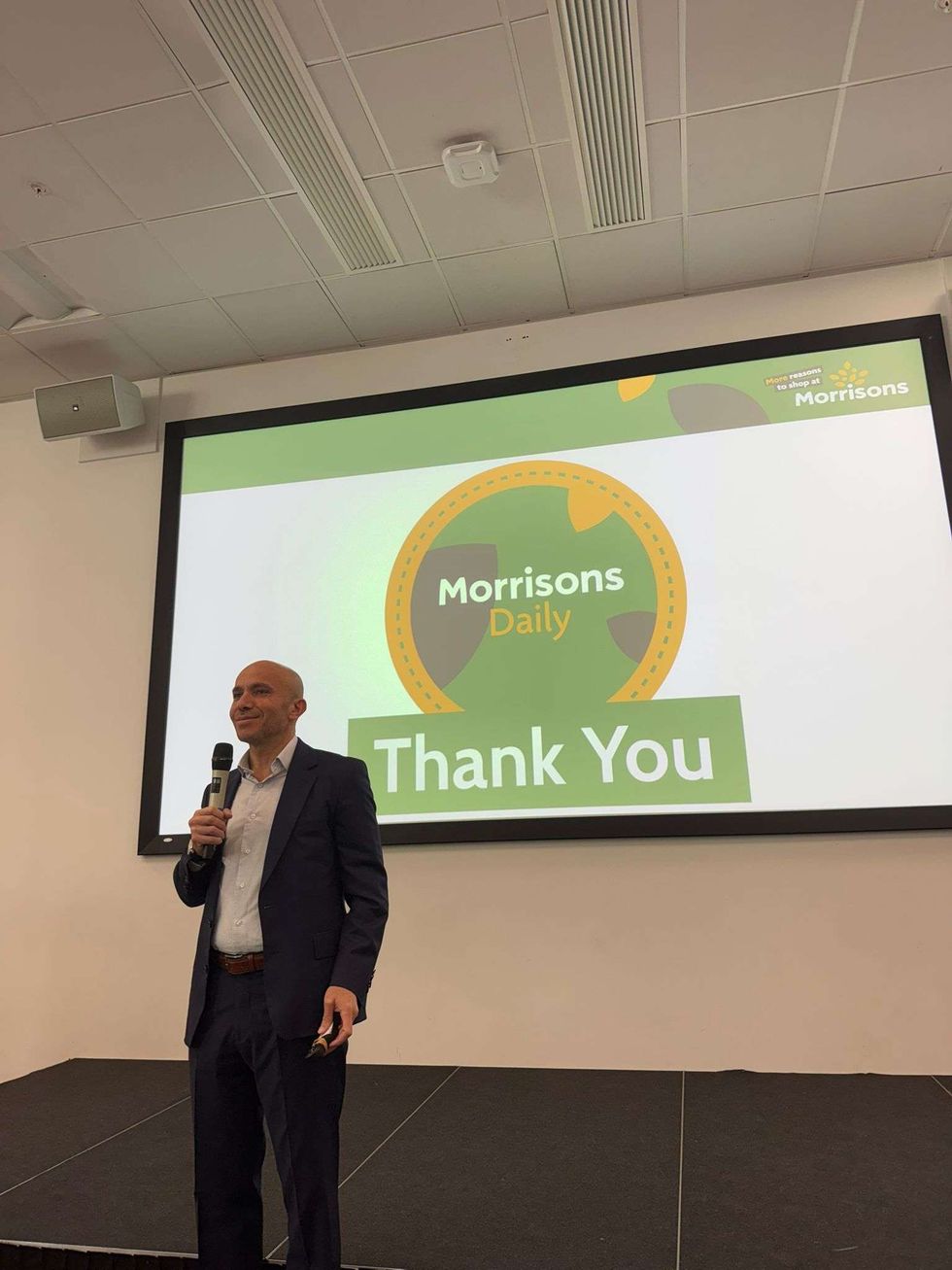 Rami Baitiéh at a franchise conferenceEastern Eye
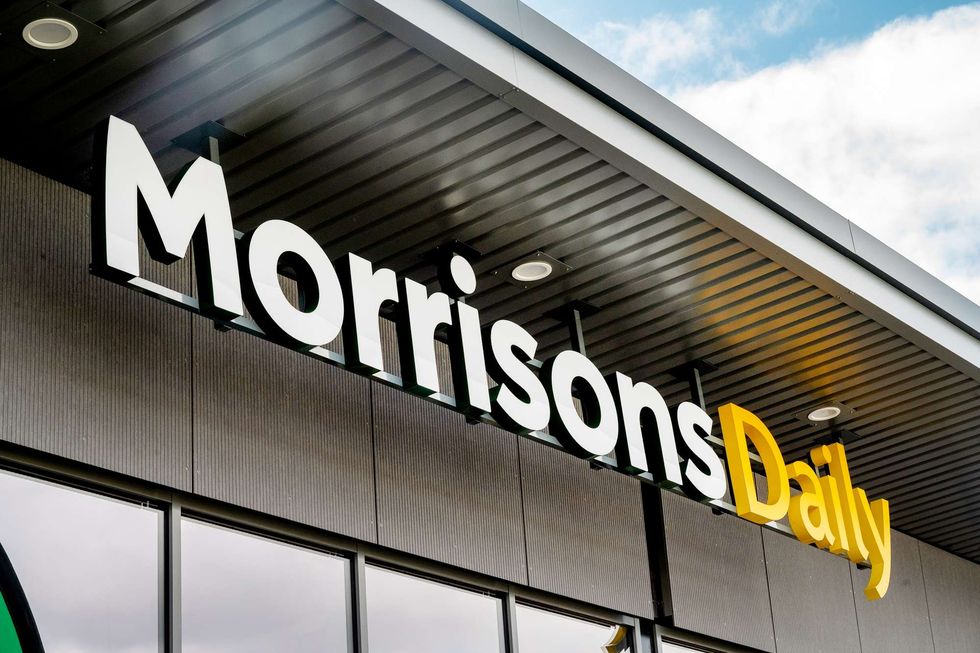 Morrisons has more than 1,700 convenience storesEastern Eye
 A Morrisons Daily store in Helmsley, YorkEastern Eye
 Baitiéh with colleaguesEastern Eye