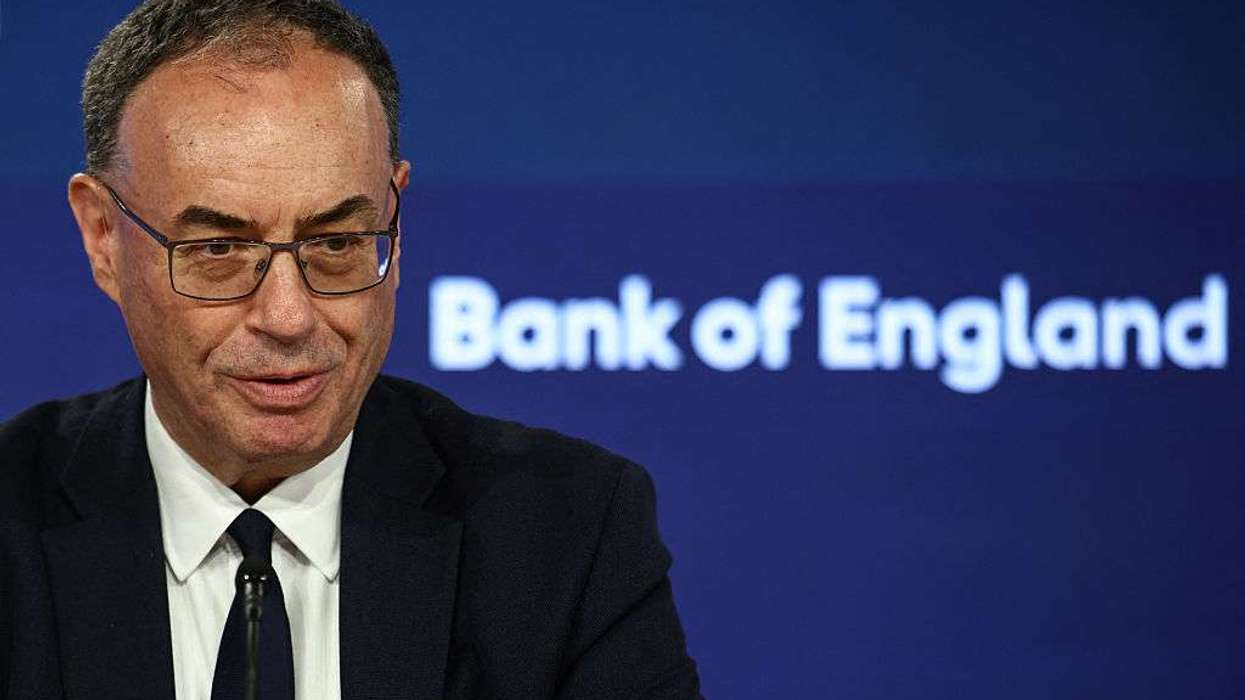

THE Bank of England raised its benchmark interest rate to four per cent on Thursday (5), the first increase in more than three years, as soaring energy costs push up global inflation.
The central bank tightened borrowing costs by a quarter point, catching up with the US Federal Reserve and the European Central Bank in lifting rates since the start of the Middle East conflict.
Along with Ukraine's strikes on Russian refineries, disruptions to Gulf energy supplies owing to the US-Iran war have caused record-high diesel prices around the world.
"There is now enough inflationary pressure in the pipeline caused by the rise in energy prices, that an increase in Bank Rate is warranted," BoE governor Andrew Bailey said in a statement.
"Today's increase shouldn't be seen as the first in an inevitable long sequence of hikes," Bailey said.
"But, unless the conflict in the Middle East is resolved, neither does it seem likely to be the last increase."
Despite surging inflation, the bank upgraded its forecasts for UK economic growth in 2026 and 2027. The central bank now estimates gross domestic product to hit 1.6 per cent this year and 1.3 per cent next year.
Chancellor John Healey said the Iran conflict was having a direct impact on household and business finances, as he responded to the Bank of England's interest rate decision.
The Iran conflict is reaching deep into the pockets of families and businesses here at home,” he said.
Healey said the government had taken steps in the Budget to ease financial pressures, including a £100 energy payment for 20 million households, extending the tax cut on electricity bills and freezing fuel duty.
He added that the government was also working on longer-term measures to reduce energy costs and make Britain less vulnerable to global shocks by changing the country's energy system. In July, it had forecast GDP output of 1.1 per cent in both years.
The BoE last raised its key interest rate in August 2023, and has kept the cost of borrowing at 3.75 per cent since December.
Britain's annual inflation rate accelerated by more than expected in September, rising to 3.5 per cent -- well above the bank's target of two per cent.
The BoE on Thursday said its central forecast saw UK inflation peaking at 4.9 in the second quarter of next year.
Millions of Britons face a jump in energy bills from the start of next year, even after the government offered some assistance in its annual budget announcement last week.
(AFP)





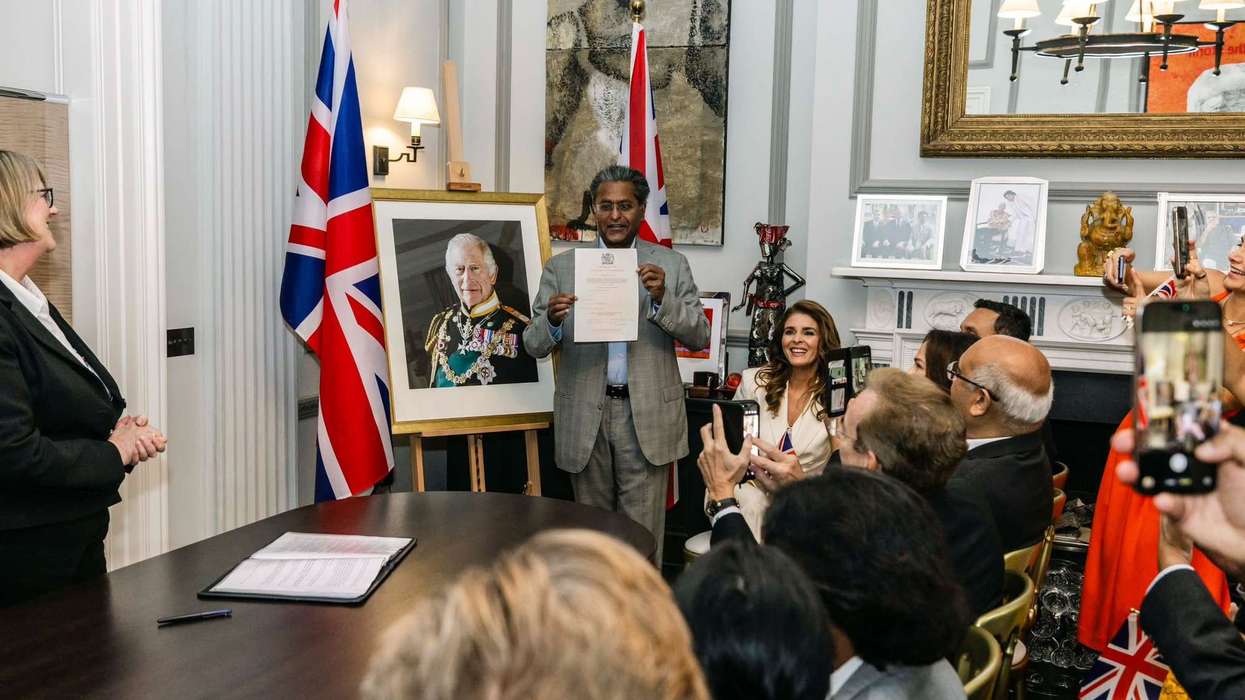
 Modi, who has lived in London for several years, shared the news on X X/@LalitKModi