
How to deal with Britain's colonial past is a topic thrust upon our leaders by Commonwealth summits, whose meetings about contemporary international cooperation owe their very existence to the history of empire and decolonisation.
The King cares about the Commonwealth, being the head of state of fifteen realms. Its many republics, such as India and Pakistan, recognise him as the head of the association, too. The monarch has a primarily symbolic role in the optics of memory and reconciliation, as with his visit to Independence Park in Georgetown, where the leaders of an uprising against slavery were executed.
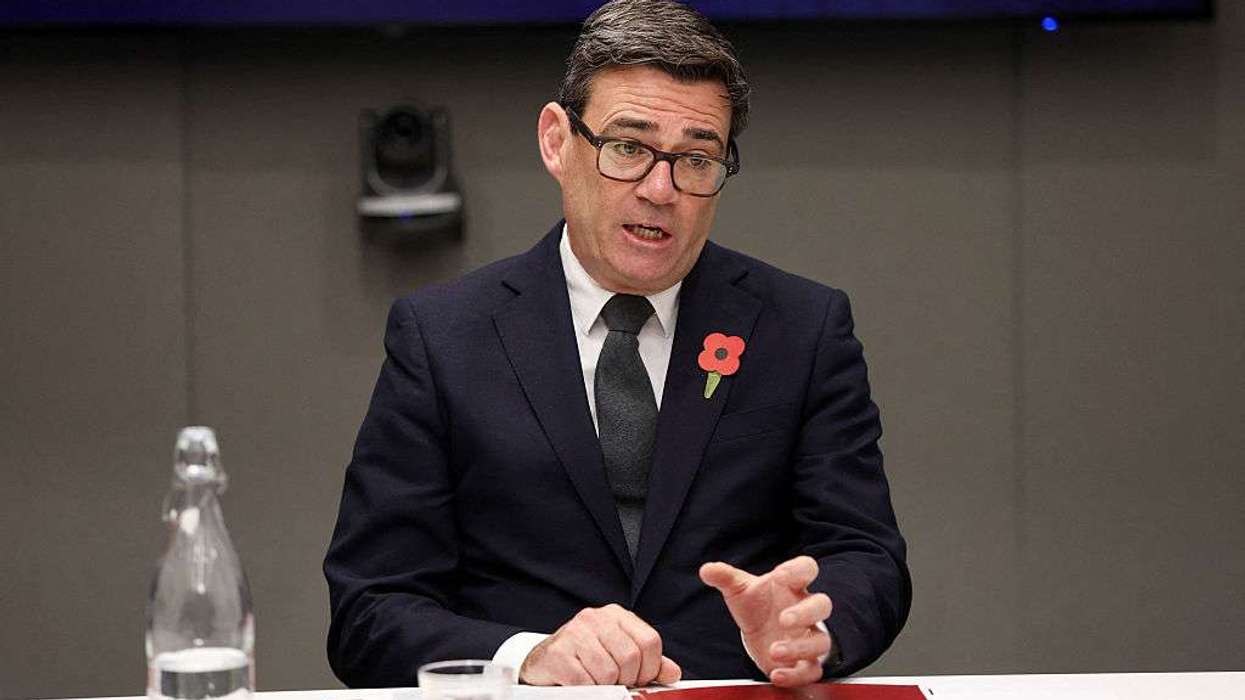
It is for His Majesty’s Governments to decide about policy. Prime minister Andy Burnham wants to engage in dialogue and education, but he sought to keep calls for financial reparations off the formal Commonwealth agenda, on the grounds that people today cannot be held directly liable for historical wrongs, however heinous, of a different age. Former Labour prime minister Gordon Brown has joined Burnham to lead a new push on contemporary debt relief. This has been pretty much the shared position of governments, both Conservative- and Labour-led, across the two decades since Tony Blair expressed Britain’s “deep sorrow and regret” for Britain’s role in the transatlantic slave trade ahead of the 2007 bicentenary of abolition. Blair used the word “sorry”, but UK governments avoided a more formal apology, in part to avoid grounds for financial compensation. The Dutch government did give such a formal apology in 2022, linked to the 150th anniversary of abolition in the Netherlands.
How we talk about a contested history is a theme of the so-called “culture wars” of these polarised times. Yet, across the mainstream political spectrum at least, the differences are often about tone and signalling. While Burnham supports the case for greater education and awareness, the dominant intuition on the political right, having agreed that nobody could deny that slavery was abhorrent, is to suggest that it is time for Britain to stop apologising. Conservative leader Kemi Badenoch asked if the descendants of African kingdoms should be asked for an apology too, even suggesting she might give up on the Commonwealth if such “navel-gazing” continues.
None of us are directly responsible for the events of the eighteenth century. Yet there are contradictions in how this argument is made – since it is can be suggested in one breath that Britain cannot be held responsible for slavery in the 18th century, yet should take more pride in those campaigns to abolish it.
Burnham began his reflection on this topic with the 1787 speech by the anti-slavery abolitionist Thomas Clarkson in Manchester Cathedral, which is now marked annually on October 28 in the city, but less known beyond it. He noted, too, that the cotton workers of Manchester were praised by Abraham Lincoln for refusing to handle slave-picked cotton during the American civil war. Emphasising abolitionist opinion in Britain, in working-class northern progress campaigns from the 1780s and 1860s, gently shifts away from imposing today's views on the past by recognising that these were also contested arguments in past centuries, within Britain, not just between Britain and its former colonies.
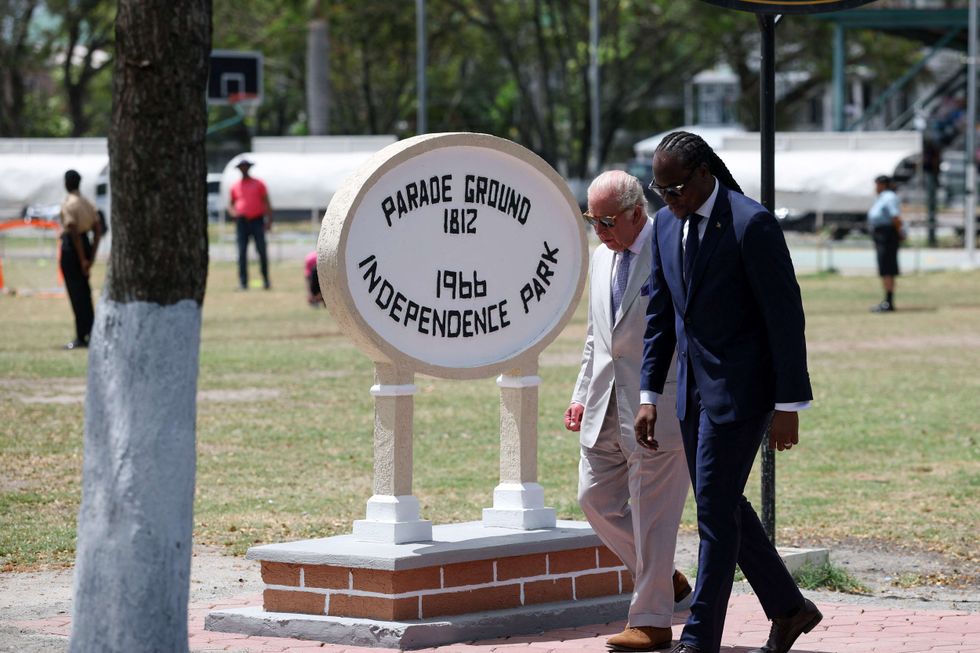 King Charles III, accompanied by Steven Jacobs, a Minister within Guyana's Ministry of Culture, Youth and Sport, visits Independence Park, which marks the site of public executions following the 1823 Demerara Slave Rebellion, during his tour of Caribbean nations on October 30, 2026 in Georgetown, Guyana. Getty Images
To deny any connection to anything that happened before we were born undercuts the whole idea of what it means to be a nation, which depends on establishing a sense of how our past, present and future are linked. It would make it impossible for 95 per cent of us born in the past eight decades to take pride in Britain’s role in the two world wars, too. It has been much more productive to understand the complexity of that history. It may sound strange to our modern ears that the Indian armies of the two world wars were the largest volunteer armies in history. Yet Commonwealth service was honoured – such as the Victoria Cross awarded to Sepoy Khudadad Khan as early as 1914 – alongside the empire’s entrenched racial hierarchies. National traditions of Remembrance increasingly reflect the multi-ethnic and multi-faith contribution of service and sacrifice – such as through the ‘Forgotten Army’ project by the Royal British Legion currently touring the UK to raise awareness of south Asian service.
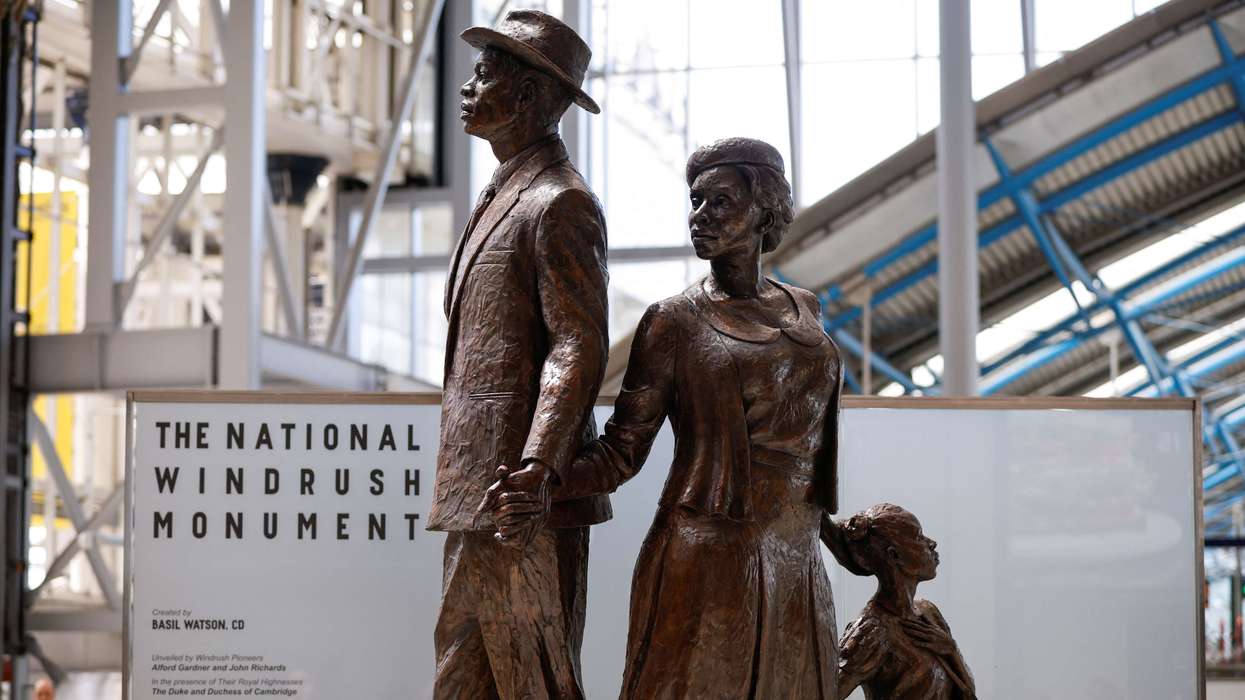
Commonwealth summits may provide some awkward diplomatic challenges for Britain – though it was pressure at the summit in 2018 that saw the Windrush scandal finally break through in Britain. This international pressure to deepen the conversation about our history could help to counter an awkward avoidance of never quite getting around to the conversation at home, too. None of us can change the past. What we do share now is a responsibility for how we choose to live with our past today. That includes how we relate to others who were involved around the world. Yet the conversations we need to have about the legacies of empire in Britain may need to be different too, since they are the foundational story of how we became the society that we now are today.