
- King Charles calls slavery “a monstrous injustice” at Commonwealth summit
- Andy Burnham discusses a possible apology with Caribbean leaders
- BBC reports a UK apology is likely during the G20 presidency next year
- Burnham rules out reparations but offers debt relief and £40 million
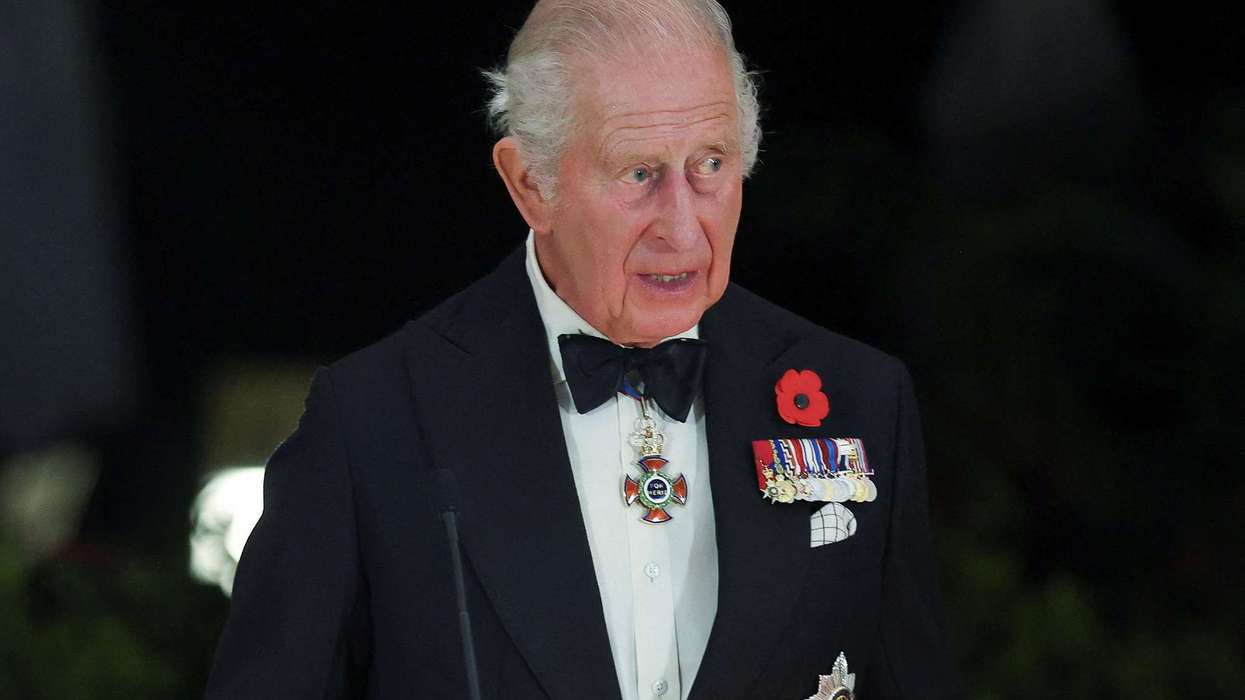
KING CHARLES has described the transatlantic slave trade as “a monstrous injustice”, opening a Commonwealth summit at which Prime Minister Andy Burnham is discussing a possible formal apology for Britain’s role in slavery.
Addressing the Commonwealth Heads of Government Meeting (CHOGM) in Antigua and Barbuda on Tuesday, the King said slavery “still casts a shadow over these islands and other members” of the 56-nation group.
“As I have said before, that shameful chapter of history is one that fills my heart with horror and my soul with the most profound personal sorrow,” he said.
We cannot change the past, but we can choose how to live with It
“And yet history also teaches us that evil need not have the last word; that character and courage can combine to overcome the most monstrous injustice.”
The King, who is politically neutral, was not expected to apologise. The palace said it would not be appropriate for him to announce a change in government policy.
Burnham’s talks
Burnham, who said at the weekend that he was open to a formal apology, discussed the issue with Barbados Prime Minister Mia Mottley on Monday. Downing Street said they discussed how Britain was offering “a structured dialogue for communities impacted by the transatlantic slave trade”.
The BBC reported on Tuesday that Britain was likely to apologise during its G20 presidency next year.
But Burnham has ruled out reparations, demanded by several Caribbean countries.
“I’ve been very clear that we do not support reparations... but it’s not the case that we don’t support countries in the Commonwealth around development helping them with debt issues that they’ve got,” he told reporters.
Burnham rejects slavery payouts but leaves door open to apology
Instead, the UK is pursuing a debt reset plan for the poorest Commonwealth countries, led by former prime minister Gordon Brown, and will provide £40 million over three years for Caribbean infrastructure, including renewable energy.
A long-running strain
Between 10 and 15 million enslaved Africans were taken to the Americas over four centuries. Britain profited from the trade for centuries but argues it led the way in abolishing it, passing a law in 1833 to end slavery across most of its empire.
Britain has never formally apologised or agreed to pay reparations. At the last Commonwealth summit in Samoa in 2024, leaders backed talks on reparatory justice after then prime minister Keir Starmer tried to avoid the issue.
Protesters in the Bahamas held placards reading “Pay what you owe us” when the King arrived last week at the start of his nine-day Caribbean tour.
Conservative leader Kemi Badenoch has said Britain should not apologise, arguing that it would strengthen claims for financial compensation.
(With inputs from agencies)