
- Around £300m of the planned savings will come from reducing workforce costs by 30 per cent over the next two years, although the company has not confirmed the number of redundancies.
- The group will increase its use of AI, reduce contractor spending and pause further full-fibre upgrades beyond existing commitments.
- The restructuring comes as Virgin Media O2 faces a £22bn debt burden and continues to lose broadband and mobile customers.
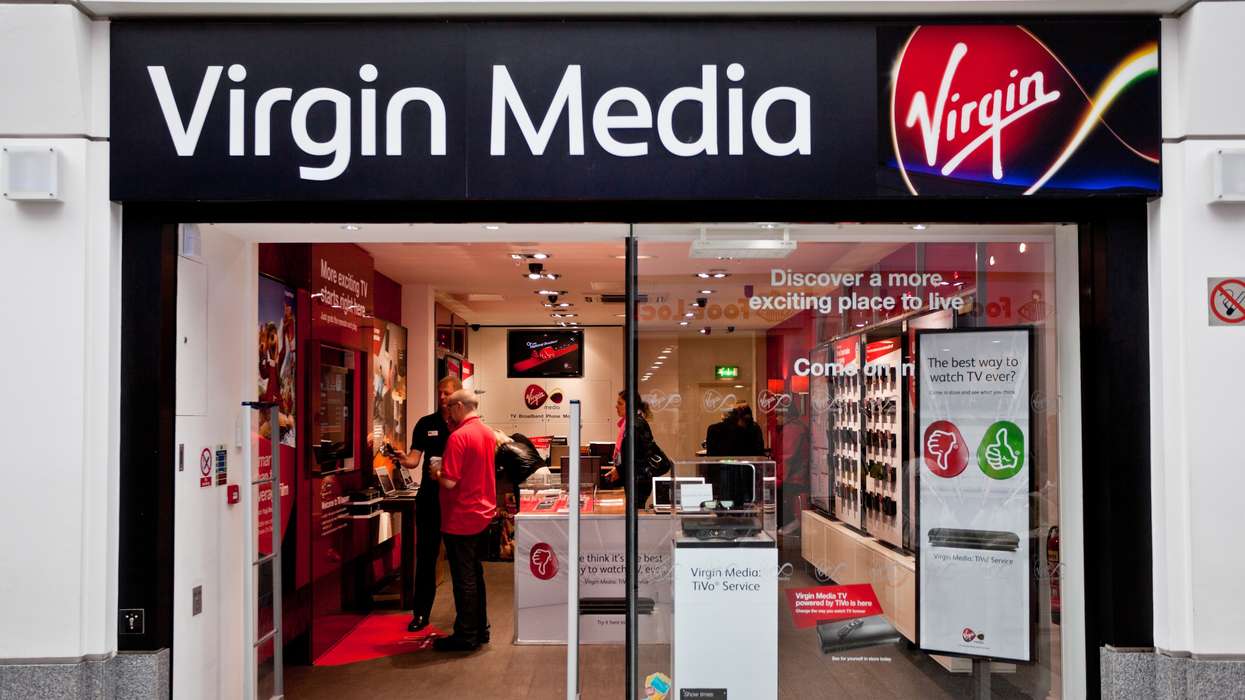
Virgin Media O2 is planning a major restructuring that will reduce staff costs by 30 per cent as the UK telecoms group attempts to generate £800m in annual savings by 2029 and tackle its mounting debt.
The company, jointly owned by Liberty Global and Telefónica, said around £300m of the savings would come from reducing its workforce over the next two years. It has not disclosed the exact number of jobs at risk, but the majority of the reductions are expected to affect non-customer-facing roles.
The group employs around 16,000 people, meaning the scale of the proposed restructuring could be substantial. Earlier reports suggested that as many as 4,000 positions could be affected, although this figure has not been confirmed by the company.
The savings programme will also involve reducing the use of contractors, reviewing supplier relationships and supply chain contracts, and increasing the use of artificial intelligence (AI) across the business.
Chief executive Lutz Schüler said the company needed to make difficult decisions to prioritise investment and reduce costs.
“Standing still and doing what we've always done is not an option,” he said, adding that the changes were necessary for the company's future growth.
The company expects to deliver around £400m of the annual savings in 2027, with further details of its strategic plan due alongside its full-year results in February.
Why is Virgin Media O2 cutting costs and jobs?
The restructuring comes as Virgin Media O2 faces mounting financial pressure, with debt exceeding £22bn and competition intensifying across Britain's broadband market.
Smaller alternative network providers, commonly known as altnets, have been expanding their fibre infrastructure and competing on price, putting pressure on established operators.
BT has also strengthened its position through its £400m rescue acquisition of TalkTalk, a development that Virgin Media O2 has criticised.
The company's latest quarterly results underline the competitive challenges. It lost 23,300 broadband customers and 7,800 consumer mobile customers in the three months to the end of September.
The company is also reviewing its shareholder distributions, including its dividend, as it looks to improve cash generation and reduce debt.
The restructuring will involve changes to how the business operates, with AI tools expected to play a greater role in customer service, network planning and fault management. The company has also highlighted opportunities to use digital tools to improve productivity and speed up decision-making.
However, the workforce reductions will not be limited to technology-driven changes. The company is also looking to remove organisational layers and reduce duplication across departments.
What will change for Virgin Media O2's broadband network?
The company is scaling back its infrastructure investment as part of the cost-saving programme, particularly its plans to upgrade more of its network to full fibre.
Virgin Media O2 said it would halt further investment in full-fibre upgrades beyond existing commitments with partners. Instead, it plans a lower-cost improvement to its existing cable network, bringing speeds of up to 2Gbps to most of the remaining network by the end of 2027.
The group is also exploring wholesale arrangements that would allow it to use other providers' infrastructure in areas beyond its own network coverage.
This includes discussions with BT's Openreach, which could potentially extend Virgin Media O2's reach from around 19 million to as many as 25 million homes.
The strategy reflects a shift away from building overlapping fibre networks towards using existing infrastructure where commercially viable. The company has argued that the economics do not support three separate fibre networks competing in the same locations.
The wider regulatory environment is another challenge. The Competition and Markets Authority has raised concerns over the proposed £2bn acquisition of alternative network provider Netomnia by Nexfibre, a joint venture backed by Liberty Global and Telefónica alongside InfraVia Capital Partners.
The proposed deal was intended to strengthen the group's position in the broadband market, but regulatory uncertainty has complicated its plans.
Virgin Media O2 expects to incur around £250m in restructuring costs as it implements the changes. It has said there are no plans to close its UK offices, including locations in London, Reading, Leeds, Manchester and Glasgow.
For the company, the next phase will involve balancing lower operating costs with the need to retain customers and maintain network quality. Its ability to deliver those savings without weakening its competitive position will be central to the success of the restructuring.