
- The bank is expected to contact a limited number of former borrowers within days, with offers accounting for only a small part of its £430m provision.
- The initial settlements are understood to focus on cases involving undisclosed lender-broker ties and high commission arrangements.
- The move could make Barclays the first major UK lender to offer compensation while legal challenges continue against the Financial Conduct Authority's redress scheme.
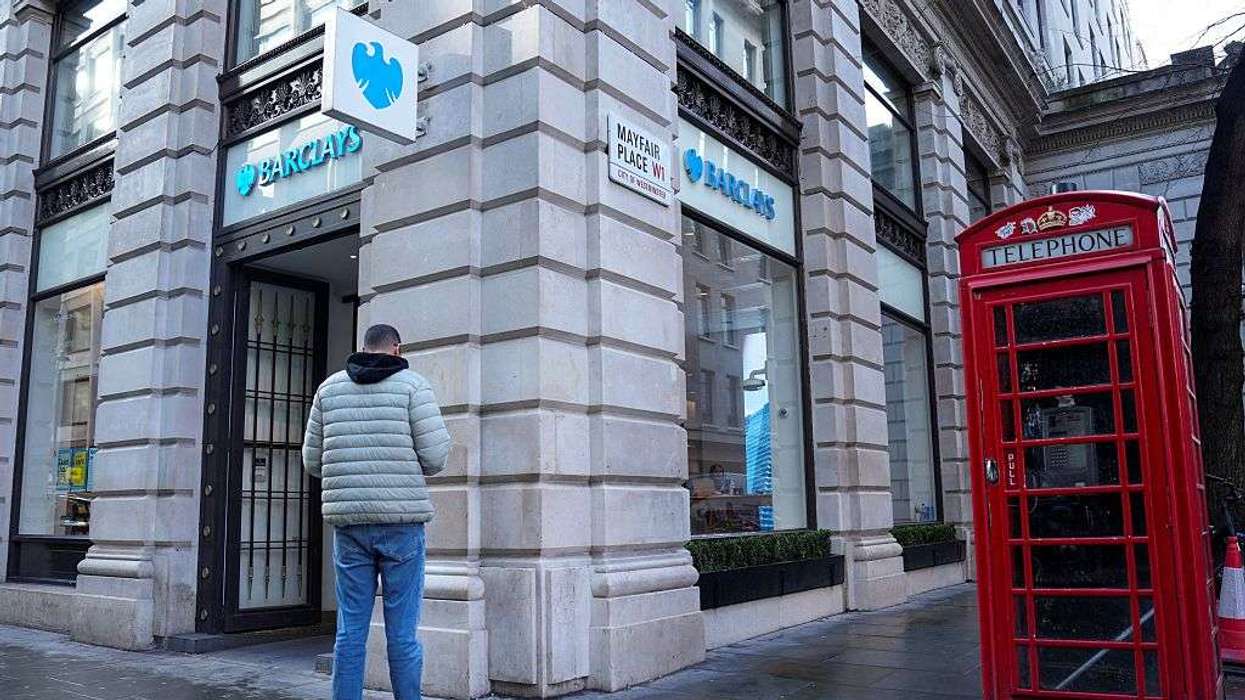
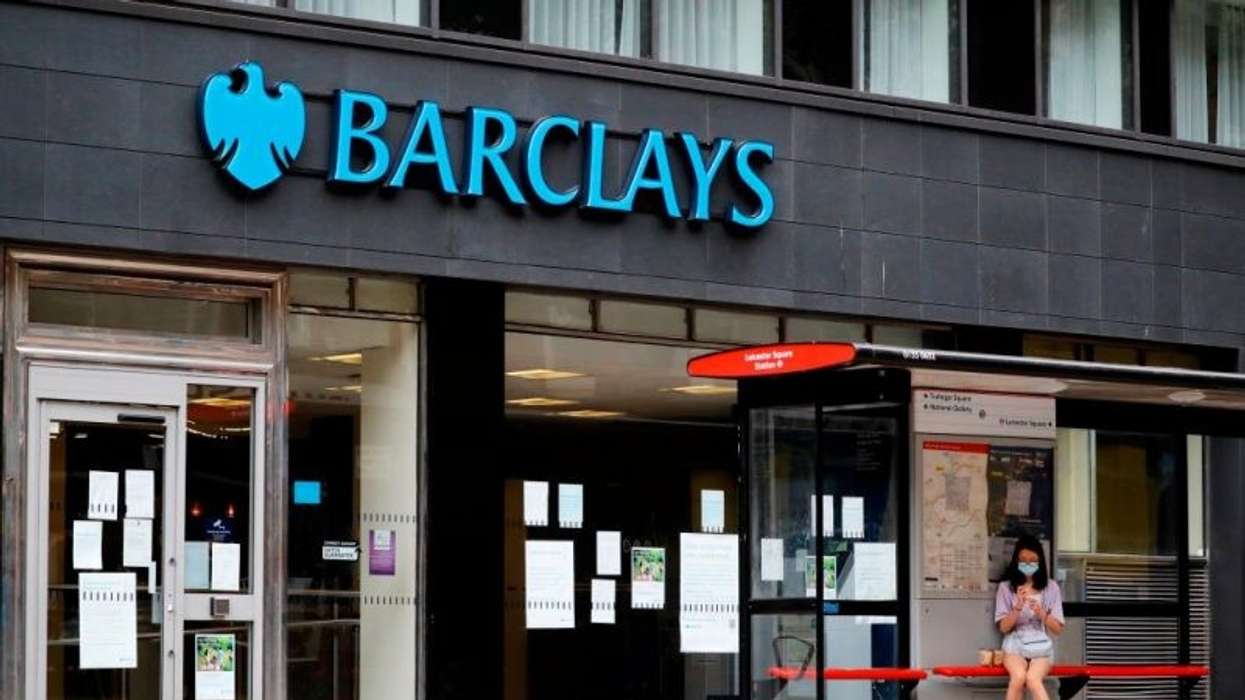
Barclays is preparing to offer early compensation to a select group of former car finance customers, potentially becoming the first major UK lender to make payments in the country's motor finance mis-selling scandal.
The bank is drawing up plans to contact a limited pool of borrowers within days, according to people familiar with the matter cited by Sky News. The proposed offers are expected to account for only a small proportion of Barclays' estimated £430m provision for motor finance compensation.
The move comes as the wider £9.1bn industry redress programme remains caught up in legal challenges, with the Upper Tribunal due to hear the cases in February 2027.
The initial settlements are understood to focus predominantly on so-called 'Johnson cases', named after the landmark legal case involving motor finance commission arrangements.
These claims typically involve an undisclosed contractual relationship between a lender and a broker, a discretionary commission arrangement, or particularly high commissions. The cases identified in the report include arrangements where commission amounted to at least 50 per cent of the total cost of credit and 22.5 per cent of the loan.
One industry source described them as 'slam-dunk cases', suggesting there was little doubt about the merits of paying compensation.
Why is Barclays considering payouts before the legal ruling?
The Financial Conduct Authority (FCA) finalised its motor finance redress scheme earlier this year after finding that millions of customers may have been treated unfairly because important commission arrangements were not properly disclosed.
The scheme covers eligible motor finance agreements taken out between April 6, 2007, and November 1, 2024. It is expected to cover around 12.1 million agreements, with average compensation estimated at approximately £830.
The regulator estimates that around £7.5bn will be returned to consumers, while the wider cost to lenders, including administration and other expenses, is expected to reach £9.1bn.
However, parts of the programme were suspended after four legal challenges were brought against the FCA's final rules. The challengers include the finance arms of Volkswagen and Mercedes-Benz, Crédit Agricole Auto Finance and consumer group Consumer Voice.
Barclays, Lloyds Banking Group and Santander UK considered bringing their own legal challenges but ultimately decided against doing so.
In its third-quarter results statement, Barclays acknowledged that the legal proceedings could delay or affect the implementation of the scheme. It also confirmed that it was considering whether certain groups of eligible customers could receive compensation before the tribunal hearing, within its existing provision estimate.
The FCA has indicated that it is willing to consider early settlement offers from lenders. However, it has stipulated that offers made outside the formal scheme must be at least as generous as the compensation customers would receive under its programme.
How could the legal battle affect other motorists waiting for compensation?
The tribunal hearing is expected to take place in February 2027, leaving millions of motorists facing uncertainty over when they might receive money.
The legal challenges question different aspects of the regulator's approach. The finance companies are contesting elements of the compensation framework, while Consumer Voice has argued that the scheme does not go far enough to protect affected borrowers.
The FCA's position is that its programme provides a faster and more consistent way to compensate customers than dealing with millions of individual complaints.
For Barclays, making early offers to a limited group could allow it to settle particularly clear-cut claims without waiting for the wider legal process to conclude. But the move does not mean that all former customers will receive payments immediately, or that the wider compensation scheme has resumed.
The scandal has already had significant consequences for the financial services sector. The scale of potential compensation liabilities has put pressure on specialist motor finance providers, with at least one major lender collapsing and South African-owned FirstRand putting Aldermore up for sale amid the financial exposure.
The coming months will determine whether other lenders follow Barclays' approach or continue waiting for the tribunal's decision. For motorists, the immediate question remains whether their individual agreements fall within the compensation rules and when lenders will be able to make a decision on their claims.