
- Around 40 per cent of Britain’s food is imported, including 80 per cent of its fruit.
- The UK is already seeing domestic crops affected by heatwaves, drought and wildfires.
- Researchers warn climate pressures could make fresh food more expensive and harder to secure.
Britain is increasingly exposed to that risk because it relies heavily on imported fruit and vegetables, including from countries that are themselves facing growing pressure from rising temperatures, drought and extreme weather.
Around 40 per cent of the UK's food is imported, according to a new report from the Food Foundation. The figure rises to 80 per cent for fruit and 47 per cent for vegetables, leaving Britain particularly dependent on overseas growers for some of the fresh foods people buy most often.
That dependence matters because the countries supplying Britain are not immune to the same climate pressures.
The UN Intergovernmental Panel on Climate Change has warned that rising temperatures can reduce crop yields, increase heat stress on plants and affect the quality of fruit and vegetables, particularly in regions including the Mediterranean, north Africa and parts of South and Central America.
Britain is already experiencing some of those pressures at home.
The country has endured five heatwaves this year, alongside drought and wildfires, with hot and dry conditions damaging crops and reducing yields.
Britain grows some of it, but not nearly enough
The problem is not that Britain cannot grow fruit and vegetables. It is that domestic production does not currently cover enough of what people eat.
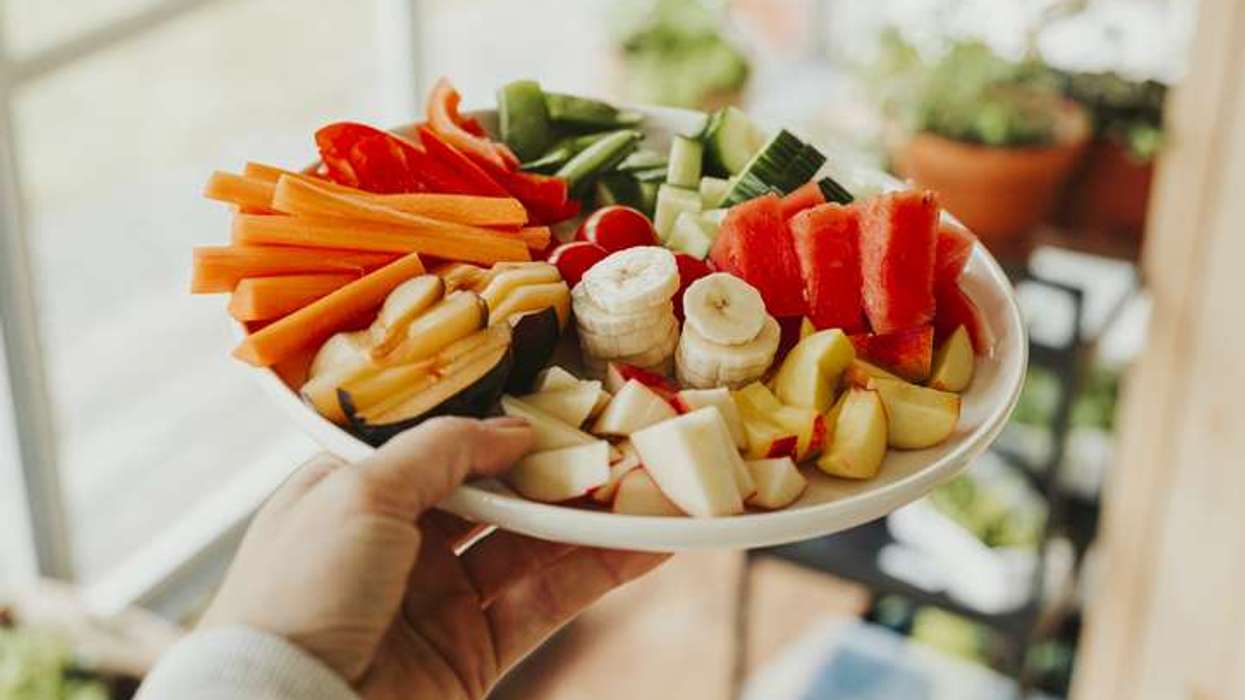
Five of the nine fruits most commonly bought in Britain can be grown domestically, including apples, strawberries, blueberries, raspberries and pears. Yet the country produces less than 40 per cent of domestic demand for four of them.
The picture is similar for vegetables.
Carrots are the exception, with domestic production covering around 94 per cent of consumption. But Britain produces only about half of the amount it consumes of several other popular vegetables, including tomatoes, mushrooms, peppers, cucumbers, onions, broccoli and green beans.
The Food Foundation says 18 of the 20 countries supplying Britain with healthy staple foods are considered moderately to severely vulnerable to climate breakdown.
That creates an awkward mismatch: the foods Britain wants people to eat as part of a healthy diet are often the foods most exposed to disruption in global supply chains.
Anna Taylor, executive director of the Food Foundation, reportedly warned that climate impacts could push up prices and put nutritious food further out of reach for many households.
Growing more at home is easier said than done
One obvious answer would be to grow more food in Britain. But domestic growers are facing their own set of problems.
Horticulture businesses, particularly those operating greenhouses, have been hit by high energy costs. Labour shortages, difficult weather and changes to post-Brexit farming support have added further pressure.
That means simply asking British farmers to produce more is unlikely to be enough without changes to the economics of growing food.
Ali Capper, who runs an apple and hops farm in Worcestershire and chairs the British Apples and Pears trade body, reportedly said growers wanted to expand production but needed greater certainty around seasonal workers, water supplies, planning rules, energy costs and long-term agreements with buyers.
The government is expected to set out a horticulture sector growth plan aimed at addressing some of these issues.
The wider concern is what happens if both sides of Britain's food supply become more vulnerable at the same time: domestic growers struggle with increasingly unpredictable weather, while overseas suppliers face their own climate shocks.
Britain may still have plenty of food on supermarket shelves, but the cost and reliability of that food could become harder to take for granted.