
- Thames Water recorded 2,871 visible pipe bursts in July, almost twice as many as a year earlier.
- The company says it is repairing more than 1,000 leaks a week across its network.
- More than 100km of ageing water mains have been replaced since April 2025, with 550km targeted by 2030.
London is facing an awkward water problem: residents are being asked to cut their water use while Thames Water is dealing with a surge in leaks and burst pipes.
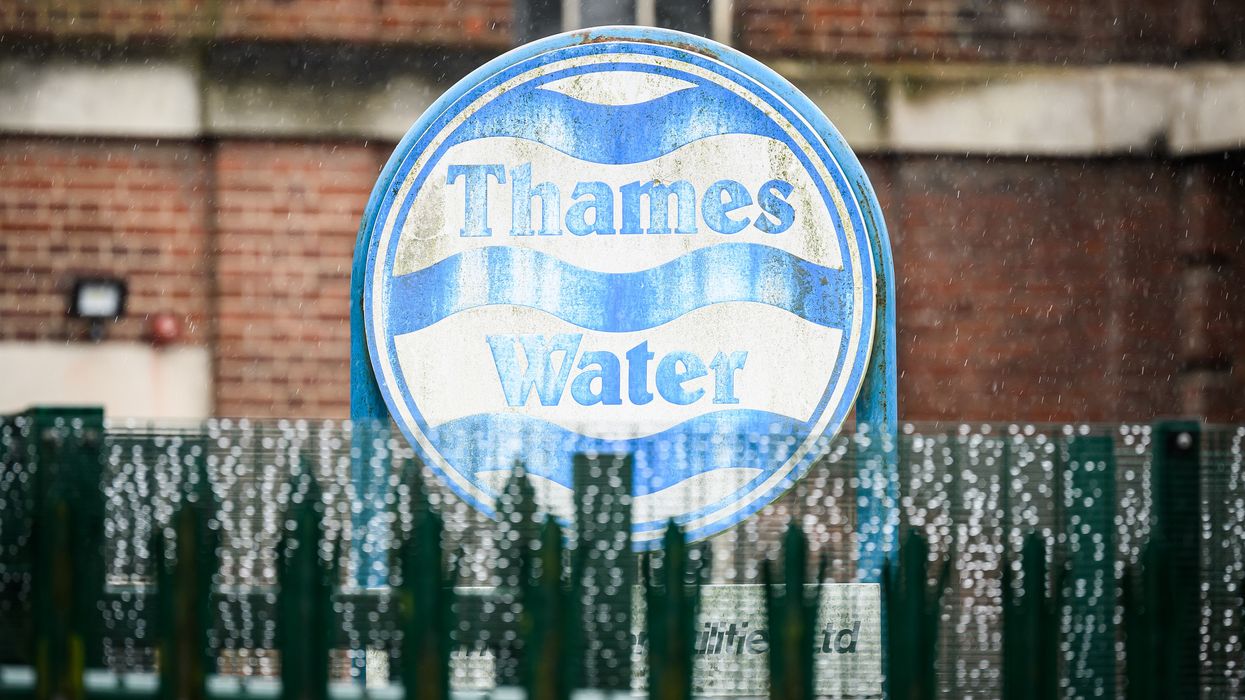
Thames Water, which supplies around 16 million customers, said it is now fixing more than 1,000 leaks a week, as prolonged hot and dry weather puts additional pressure on its ageing network. The company says it is repairing leaks at around 20 per cent above normal levels.
The scale of the problem became clearer in July, when Thames Water recorded 2,871 visible pipe bursts, compared with 1,727 in July 2025, according to figures reported by the company. That is an increase of around 66 per cent.
And those are only the leaks people can see. Thames Water has previously said more than 95 per cent of leaks occur underground, making them much harder to identify and repair.
The timing is particularly uncomfortable. Large parts of England are in drought, hosepipe restrictions are affecting millions of people and another spell of extreme heat is putting further pressure on water supplies.
Dry ground is making an old problem harder
The company says the prolonged lack of rain is changing the ground around its pipes. As clay soils dry out, they contract and move, putting additional stress on underground infrastructure.
Thames Water has previously linked unusually dry ground and prolonged heat with more frequent pipe failures, particularly where older metallic pipes and brittle plastic pipes run through clay soils.
Higher demand is adding another layer of pressure. During periods of hot weather, people generally use more water for activities such as gardening, bathing and household cleaning. Thames Water said in June that seven million people, or 13 per cent of those surveyed, reported using more water than a year earlier. More than half said they had not reduced their consumption.
The company has therefore found itself trying to manage two problems at once: keeping enough water available while repairing a network that is coming under greater physical strain.
In a letter to London residents, Thames Water reportedly said the prolonged period of high temperatures was affecting ground conditions and causing more leaks than would normally be expected at this time.
A Liberal Democrat councillor in Streatham, Alex Davies, reportedly said his ward had experienced three serious leaks in recent weeks, including one that had continued for at least 10 days.
Thames Water said residents' frustration was understandable, but argued that bursts can occur at any time and become more likely during prolonged hot weather as the ground shifts and cracks.
The repair bill is already running into billions
The surge in leaks is landing as Thames Water attempts one of the biggest infrastructure upgrades in its history.
The company says it has replaced more than 100km of clean-water mains since April 1, 2025, and plans to replace 550km between 2025 and 2030. It is also investing as part of a wider programme worth more than £20 billion across its water and wastewater network.
That wider network covers more than 140,000km of water pipes and sewers, according to Thames Water.
Leakage remains a major part of the problem. Thames Water's latest reported three-year rolling average was 584 million litres a day, although the company says this represents a 13.3 per cent reduction against its 2019-20 baseline. It plans to invest £1 billion over the current five-year period specifically to reduce leakage, alongside another £1 billion for mains replacement and trunk-main improvements.
The pressure has also fed into the wider row over Thames Water's finances and management.
The company reported £19.5 billion of debt in its latest annual results and remains under scrutiny over its ability to secure a long-term financial rescue. It invested £2.7 billion during the year to March 2026, a 20 per cent increase on the previous year.
Chief executive Chris Weston has also faced criticism over executive pay. His total remuneration for the year to March 2026 was around £1.16 million, while £4.09 million was paid to senior executives under a management retention plan.
The company's financial position matters because repairing a network this large is not a quick fix. Thames Water says the current investment programme is intended to replace ageing infrastructure and reduce leaks over time, but the latest burst figures show the network is being tested before that work is complete.
For Londoners under water restrictions, that leaves a particularly awkward picture: saving water is being presented as essential, while thousands of bursts are sending water in the opposite direction beneath the capital's streets.