
Highlights
- She said she was “longing to let it out” but knew she could not speak at the time.
- Charles was diagnosed with cancer in early 2024 and remains in treatment.
- She said Charles continued working and saw it as a way of coping with his illness.
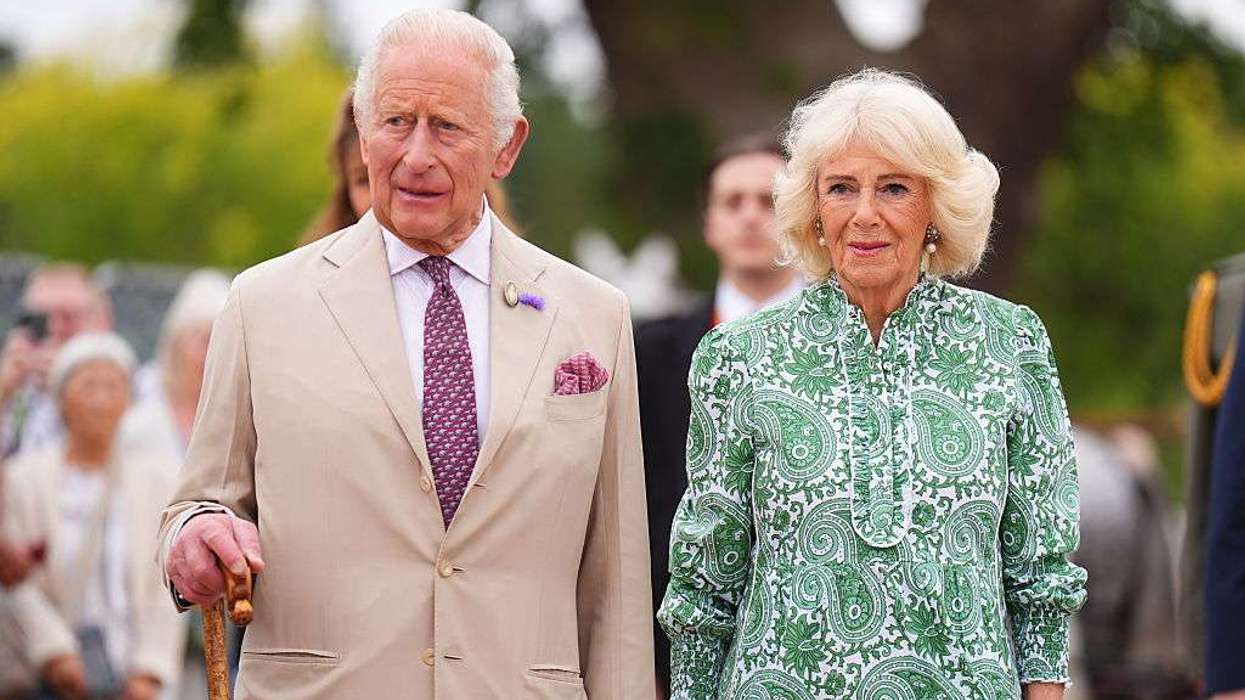
QUEEN CAMILLA has spoken about the painful experience of keeping King Charles’ cancer diagnosis private, recalling how difficult it was to remain silent while meeting other families affected by the disease.
The Queen opened up about the period shortly after Charles was diagnosed with cancer in early 2024, saying she had wanted to talk about her husband’s illness but knew she could not.
Buckingham Palace announced in February 2024 that Charles was undergoing treatment for an undisclosed form of cancer. He remains in treatment, although the palace said last December that an early diagnosis and effective treatment had allowed his care to be scaled back.
About a week before the palace announcement, Camilla visited a Maggie’s cancer support centre at a London hospital. In a video released by the charity on Wednesday to mark its 30th anniversary, she recalled how hard it was to keep the diagnosis to herself.
“I remember coming to see a Maggie’s just after the King being diagnosed. Nobody could say anything at the time, that was quite difficult,” Camilla told Laura Lee, chief executive of Maggie’s, of which she is president.
Suffering of patients and families
She said she had almost spoken about Charles’ illness but stopped when she saw the suffering of patients and their families around her.
“I almost said something but, you know, I felt that it wasn’t the time to say,” she said. “I looked at everybody who was suffering and all the relations, and I think it made me realise even more how important these places were.”
“I was just longing to let it out but obviously I couldn’t.”
Camilla also spoke about caring for her “poor husband” and said Charles was determined to continue working despite his illness.
“Look at my husband, nothing stopped him,” she said. “He just said, this is my way I’m going to cope with it.”
The King’s diagnosis, and the later disclosure that his daughter-in-law Catherine, Princess of Wales, had also undergone cancer treatment, brought the illness into the public eye.
Maggie’s said the willingness of both to speak about their experiences had helped other people feel less alone in dealing with cancer.
Lee said Charles’ openness had encouraged others to talk about their own diagnoses and that Camilla’s account showed why relatives and friends also need support.
“The King’s openness about his diagnosis has undoubtedly helped others to be more open themselves,” Lee said.