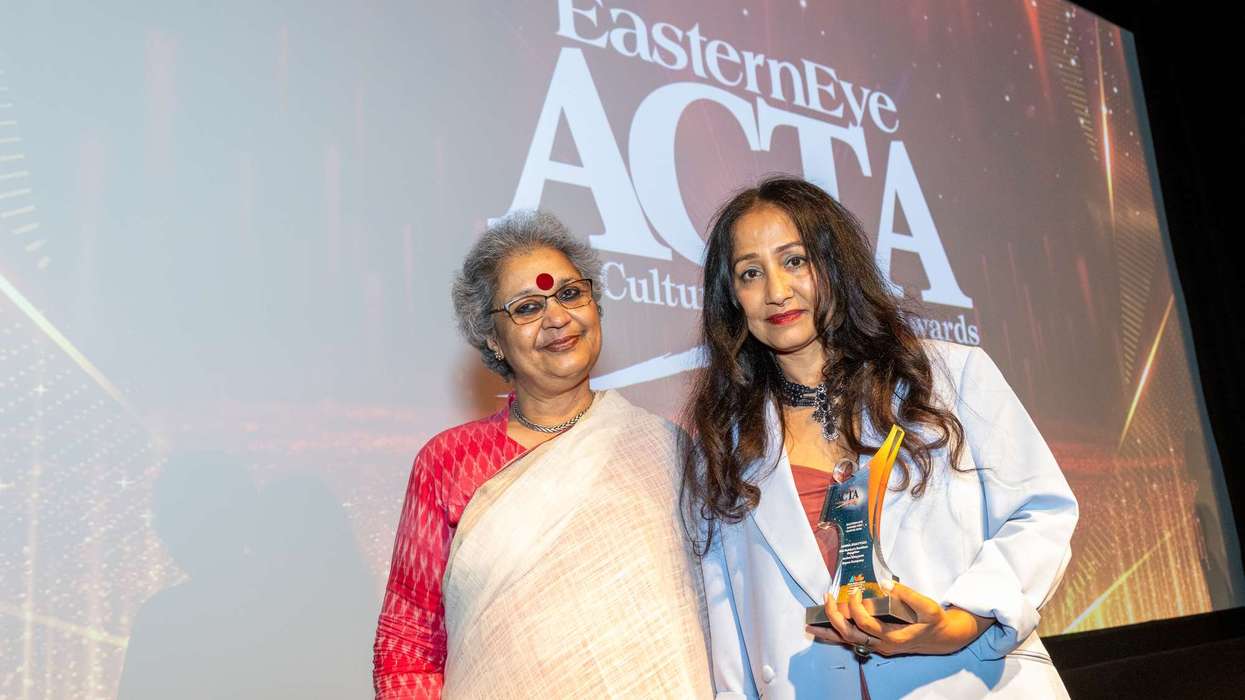

ARTISTS, musicians, actors and writers were among top Asian talent recognised at the annual Eastern Eye Arts, Culture and Theatre Awards (ACTA) in London last Friday (26).
Sir Anish Kapoor, 72, one of the most influential figures in contemporary art, won the top award, for outstanding contribution to the creative industries, at the ceremony, hosted by the Asian Media Group, publishers of Eastern Eye and Garavi Gujarat news weeklies.
The Turner Prize winning artist currently has a show at the Hayward Gallery at London’s Southbank Centre, featuring old and new works.
Known for exploring space, reflection, colour and perception through his sculptures, Sir Anish’s work can be seen at Chicago’s Millennium Park (Cloud Gate) and the Queen Elizabeth Olympic Park (ArcelorMittal Orbit).
His installation Marsyas transformed the Turbine Hall at the Tate Modern into a vast sculptural space and Sir Anish was the first living artist to have a solo exhibition at the Royal Academy of Arts.
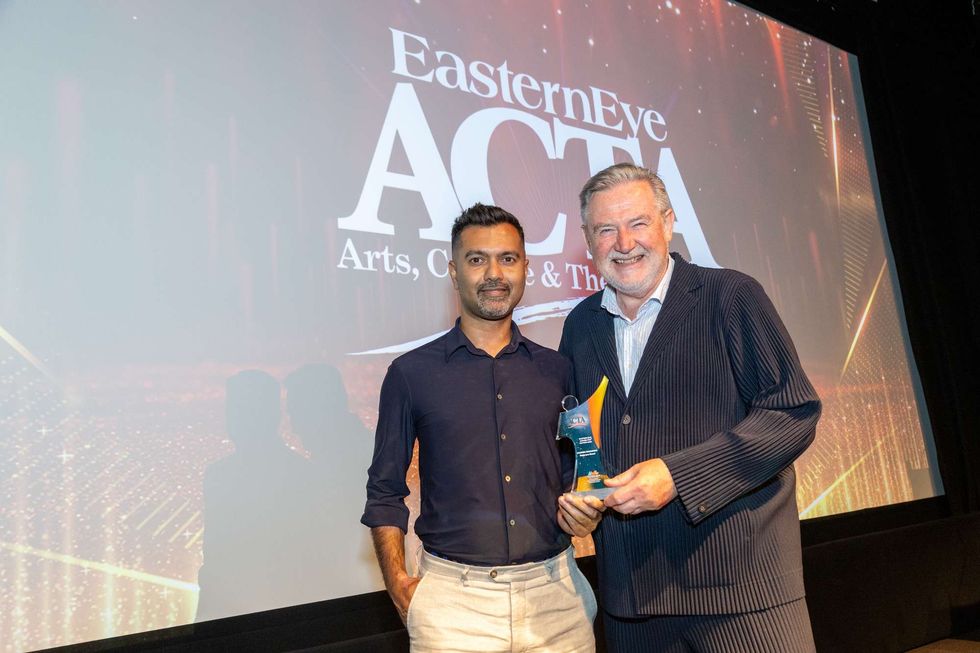 Manish Chauhan receives the fiction award from Barry Gardiner MPAsian Media Group
Other top winners were Arti Shah and James Hameed, who scooped the ACTA trailblazer award for their work on Paddington The Musical.
They create the character of the Peruvian bear on stage through a combination of performance and voice. Hameed voices Paddington and operates the character’s jaw, while Shah performs as the onstage actor, bringing the bear’s movements and expressions to life. Their coordination helped create a lifelike stage portrayal of the much-loved character.
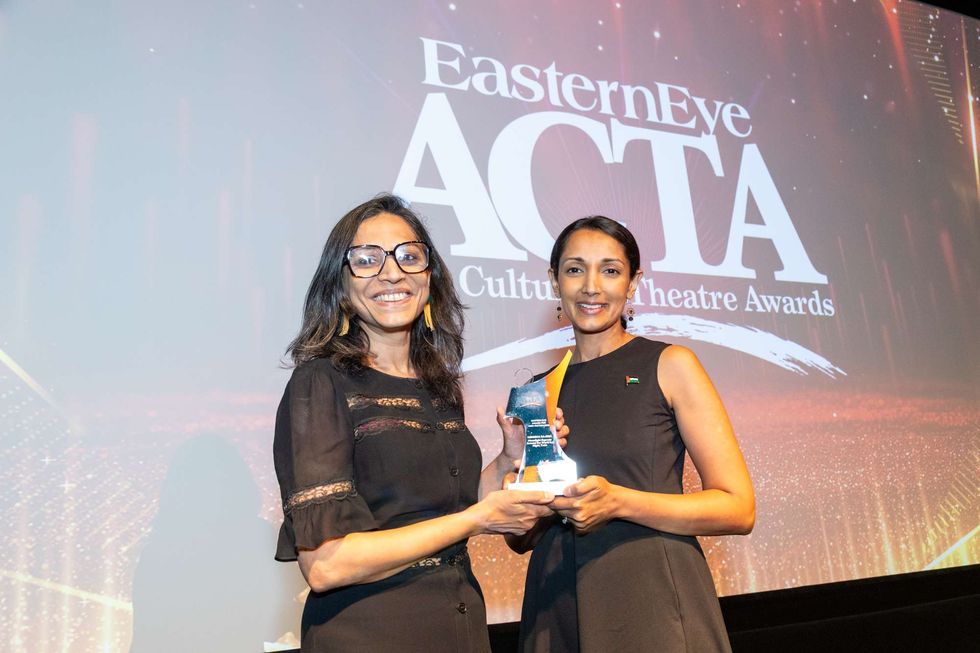 Monisha Rajesh receives the non-fiction award from Swati DhingraAsian Media Group
Naz Shah MP won the editor’s special award for her memoir, Honoured: Survival, Strength and My Path to Politics.
Released earlier this year, the autobiography traces her journey from a difficult childhood to becoming a campaigner and an MP.
Shah, who represents Bradford West as an MP, wrote about her personal journey, finding her voice and entering politics. The book reflects on her experiences as a British Muslim woman and her path towards activism and public service.
An exhibition at the British Museum, titled Ancient India: living traditions won the ACTA for community engagement. The display of more than 180 objects, spanning 2,000 years of Indian history, explored traditions linked to Hindu, Buddhist and Jain faiths. It was curated by Dr Sushma Jansari and traced the development of Indian religious and artistic traditions from early symbols to later forms.
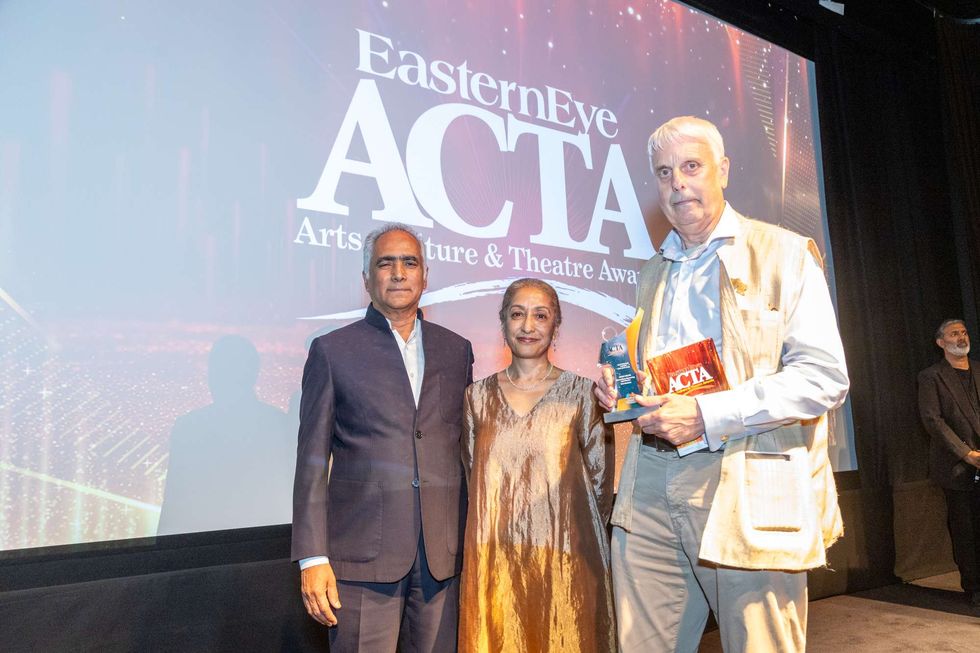 Henry Noltie receives the art award from Sundaram Tagore and Divia Patel Asian Media Group
Aasiya Shah received the best actress award for film, television and drama for her performance in ITV drama Believe Me, based on a true crime story. Shah played Laila, a survivor of assault by black cab driver John Worboys.
Nitin Ganatra was the best actor in this category for his role as Aslam Khan in the British Asian crime drama Apnas, where he plays a taxi driver and father dealing with family pressures and his son’s choices.
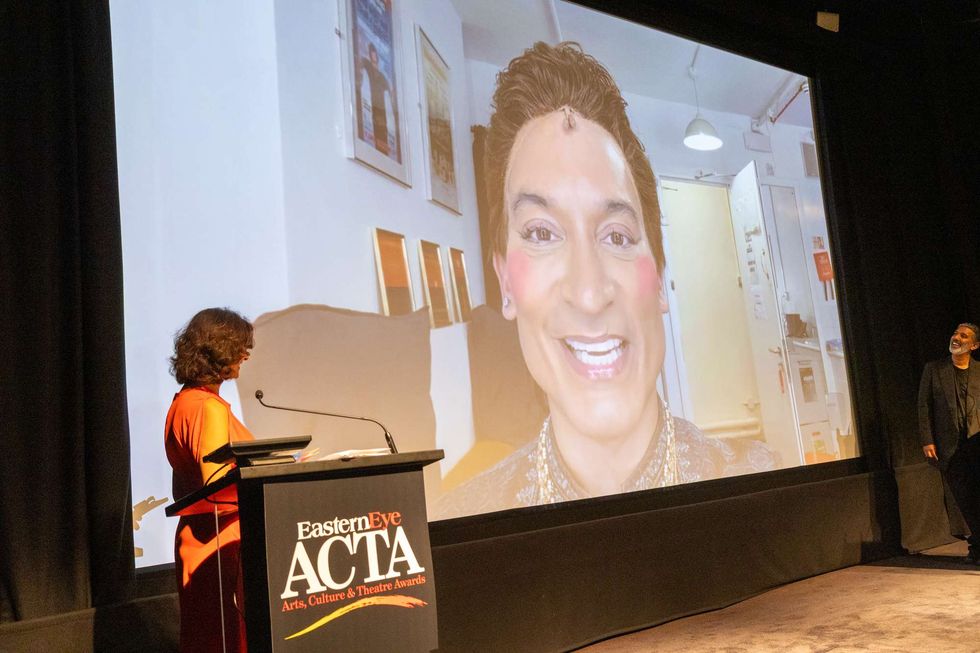 Raj Ghatak accepts the best actor in theatre award by video messageAsian Media Group
Raj Ghatak and Shobu Kapoor won the best actor and actress awards in theatre, respectively. Ghatak won the honour for his role as Carmen Ghia in The Producers, the first major London revival of American filmmaker and actor Mel Brooks’ classic. He was the first person of colour to portray Ghia, the flamboyant partner of eccentric director Roger DeBris, and Brooks himself approved his performance.
Kapoor was recognised for her role in Sweetmeats at the Bush Theatre, where she played a widow who rebuilds her life while dealing with grief and illness.
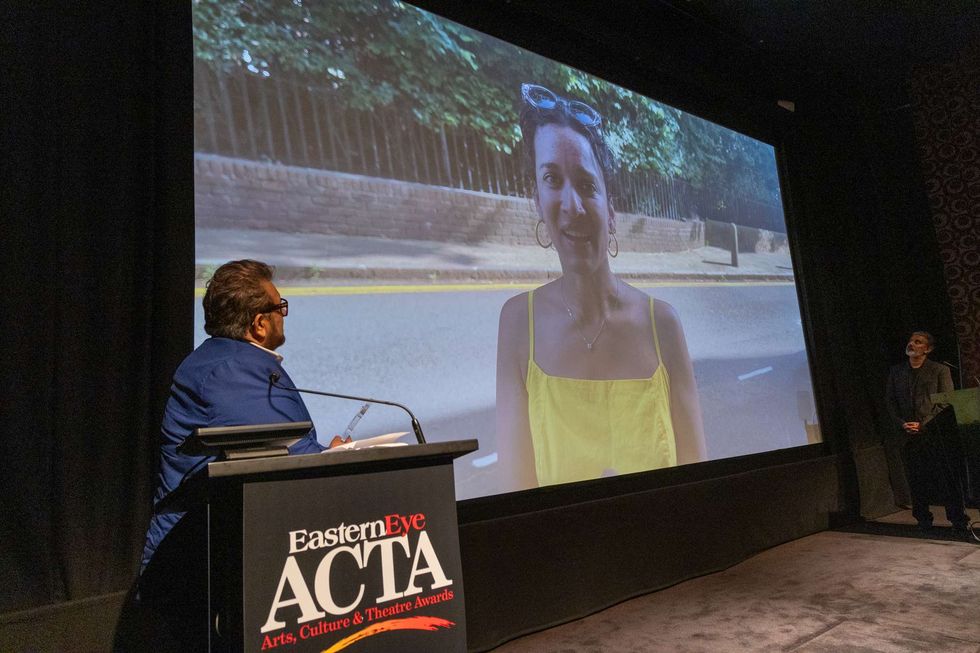 Anoushka Shankar accepts the music award by video messageAsian Media Group
Hindustani classical vocalist Chandra Chakraborty won the award in music-traditional category for Tale of Tawaifs. Chakraborty has performed internationally, including at the Commonwealth Games opening ceremony in Manchester and for the late Queen. She founded Kalakar Sangeet Sabha to support students and musicians through training and workshops.
Sitarist and composer Anoushka Shankar won the ACTA for contemporary music, for The Mountain with Gorillaz. Shankar is known for her work bringing the sitar and Indian classical music to global audiences.
Kavi Pau, founder and director of the Third Culture Collective, was the winner of the ACTA emerging artist. A graduate of Cambridge University, Pau founded the organisation in 2021 to support collaboration between south Asian and western musicians. The group has worked with the BBC Proms, London Symphony Orchestra and Opera North, and collaborated with artists including AR Rahman and Ilaiyaraaja.
Rifco Theatre Company’s Asian family pantomime, Surinderella won two awards – for director Ameet Chana and script writer Pravesh Kumar.
Set within a south Asian community, the show reimagines the Cinderella story with a Bollywood-inspired approach. The production blends Bollywood elements with British festive theatre.
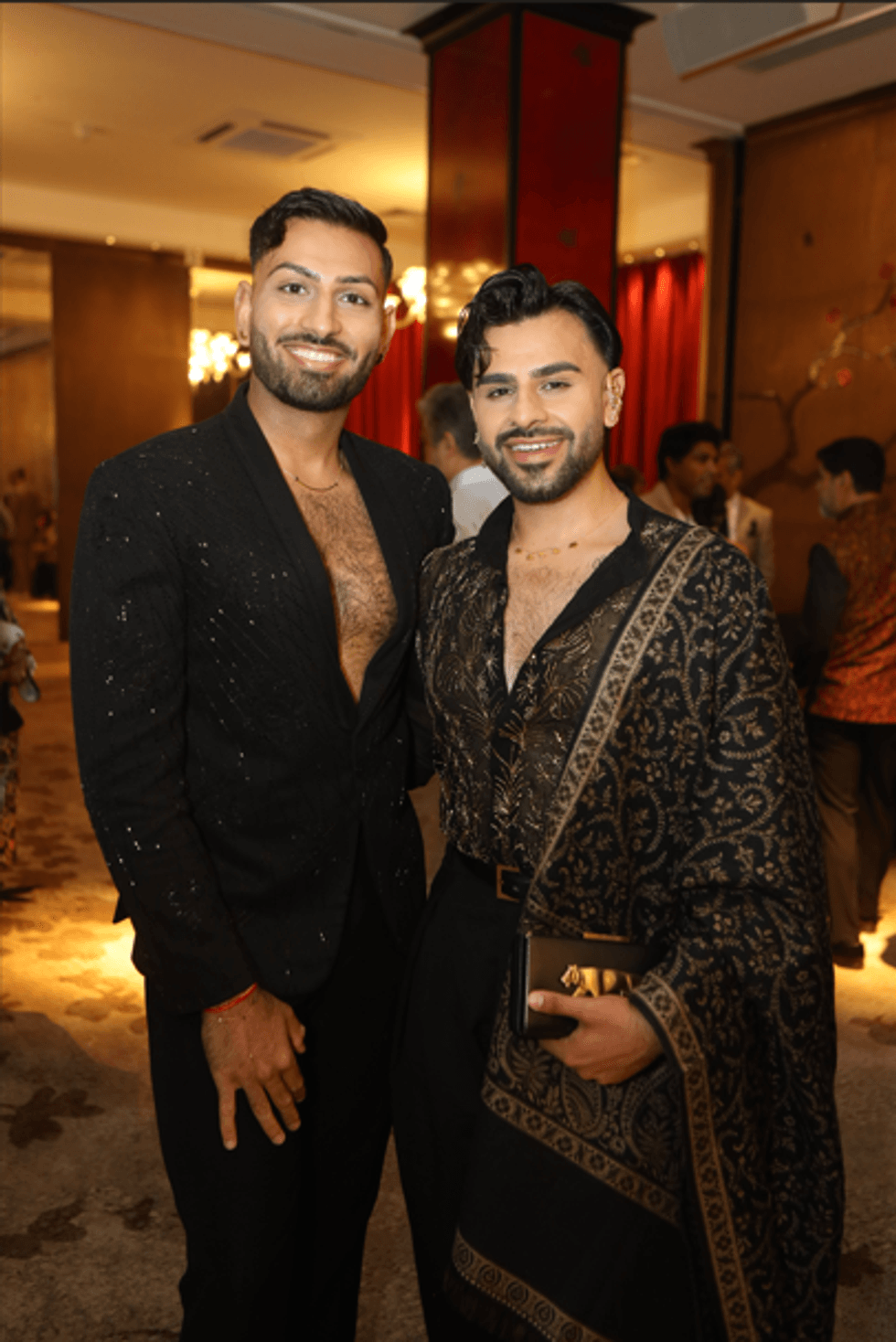 Krishal Kaylash and Shyam Dattani at the ACTA awardsAsian Media Group
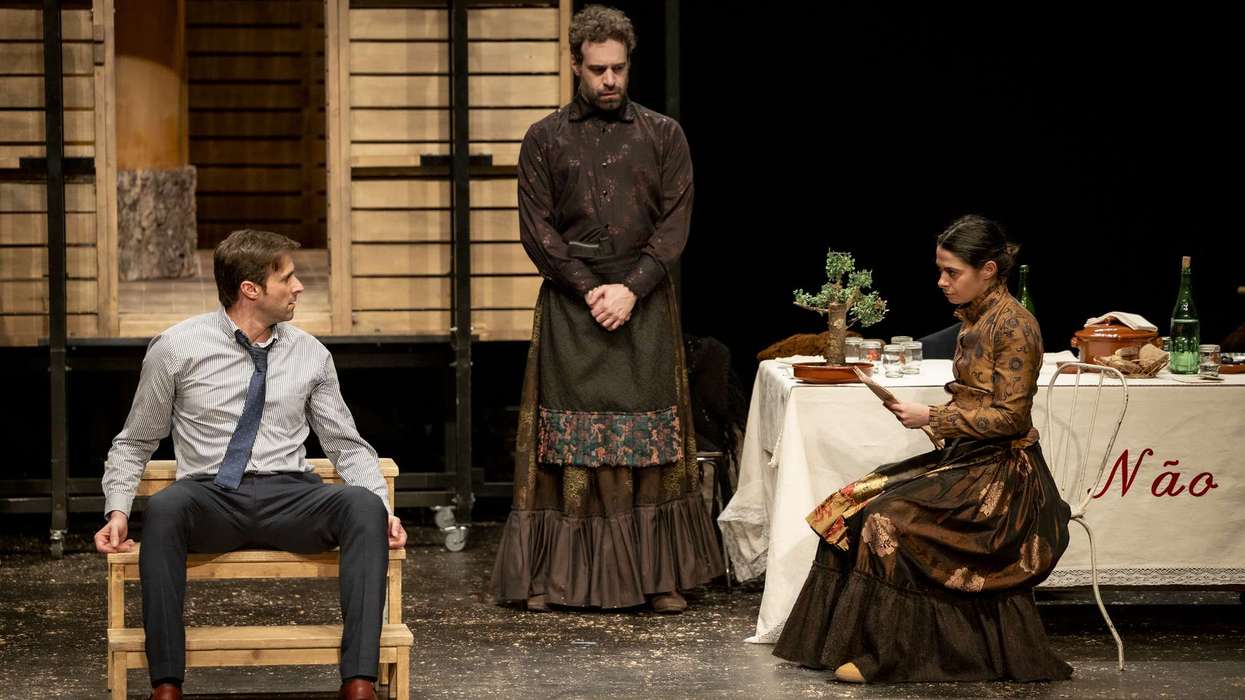
Indian Ink at Hampstead Theatre won the ACTA for best production. It was the first major revival of Tom Stoppard’s play in 30 years. Directed by Jonathan Kent, it featured veteran actress Felicity Kendal returning to the work after three decades. The play is set across the UK and India and explores art, relationships and cultural connections across generations.
For hosting The Arts Hour on BBC World Service, Nikki Bedi won the ACTA for best presenter. She hosts The Arts Hour and The Arts Hour on Tour, featuring conversations and discussions on arts and culture. Bedi has interviewed artists, writers, musicians and performers.
Rana Dasgupta won the ACTA history award for After Nations: The Making and Unmaking of a World Order. He was recognised for a work that examines the changing role of nation states over time. The book compares the decline of older empires with modern global systems and explores what happens when political structures begin to fail.
Imran Mahmood won the ACTA for Finding Sophie in the crime fiction category and Monisha Rajesh won the honour in the non-fiction segment for Moonlight Express: Around the World by Night Train.
Mahmood’s story follows parents searching for their missing daughter and the legal consequences that unfold through a courtroom process, while Rajesh’s book documents long-distance rail journeys and records the people, places and events encountered along the way.
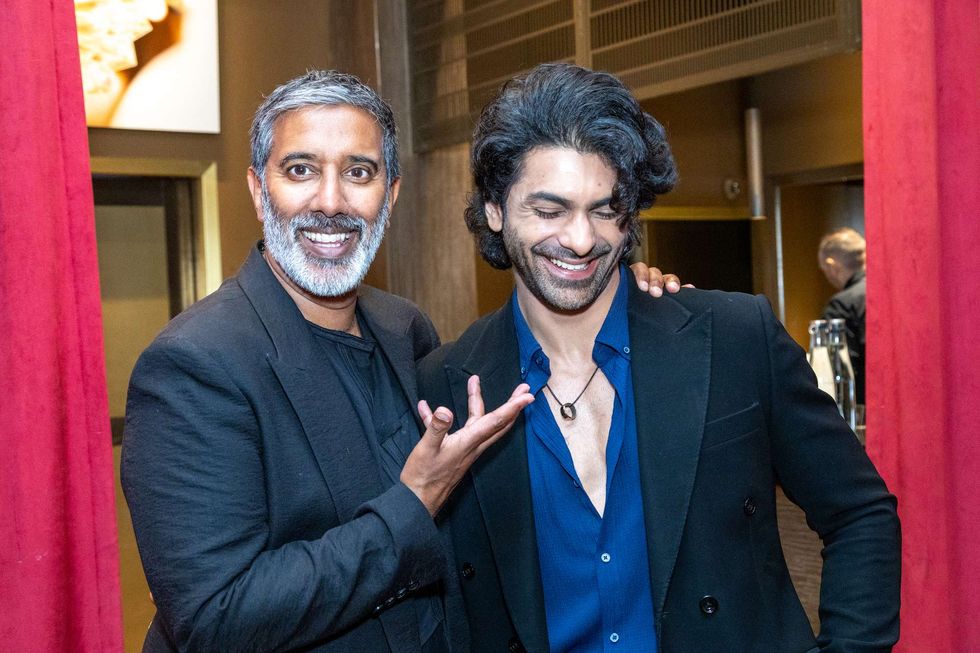 Nihal Arthanayake and Taha Shah BadusshaAsian Media Group
Manish Chauhan won the ACTA for fiction for his debut novel Belgrave Road.
Set in an immigrant neighbourhood in Leicester, the story focuses on characters dealing with family and community expectations and explores identity shaped by place and migration. Amina Khayyam won the ACTA dance award for her Kathak performances, choreography and community workshops. Her work includes classical Kathak practice and its use in contemporary performance settings. She also works with groups to teach movement and storytelling through dance.
The ACTA for art went to Henry Noltie for Flora Indica – Recovering Lost Stories from Kew’s Indian Drawings. He was recognised for research and curation work focused on historical botanical illustrations. The project examines Indian drawings from the 18th and 19th centuries held at Kew Gardens.


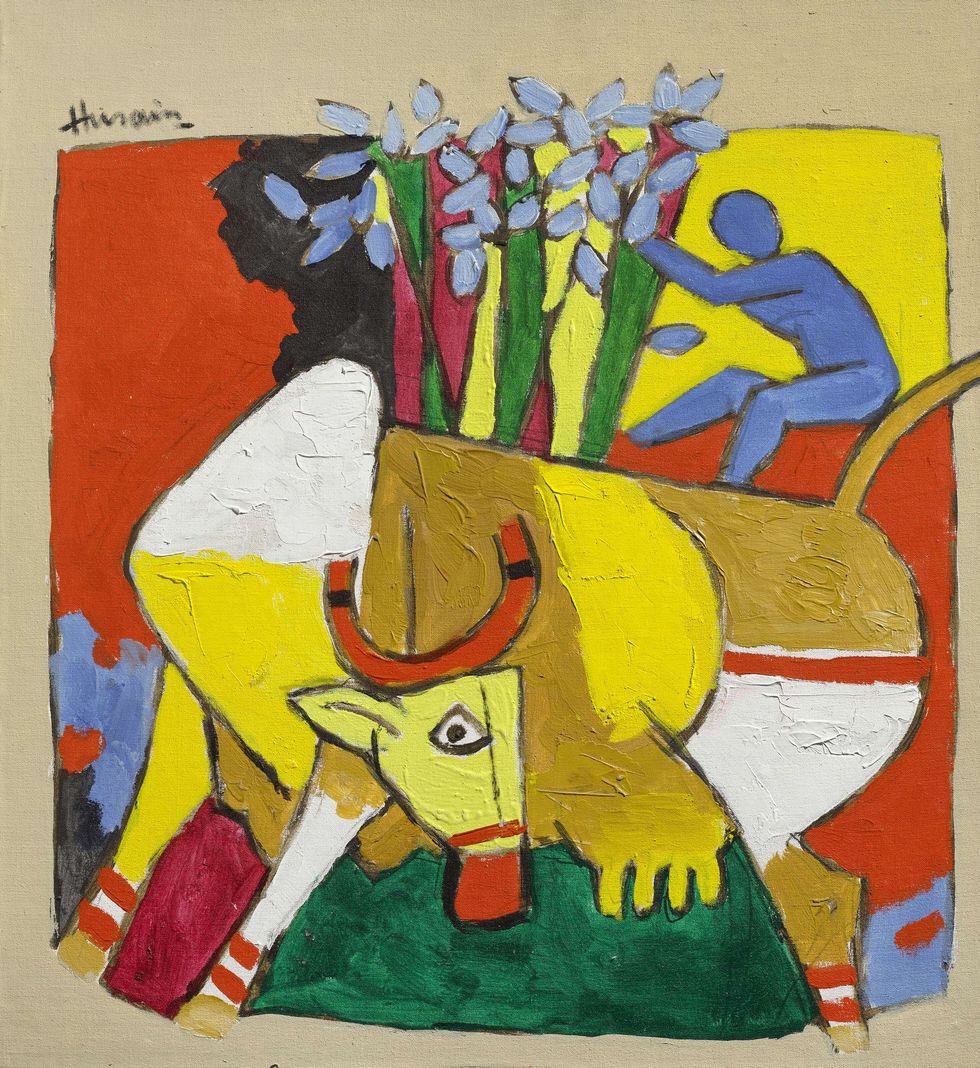 Untitled (Bull) by MF HusainChristie's
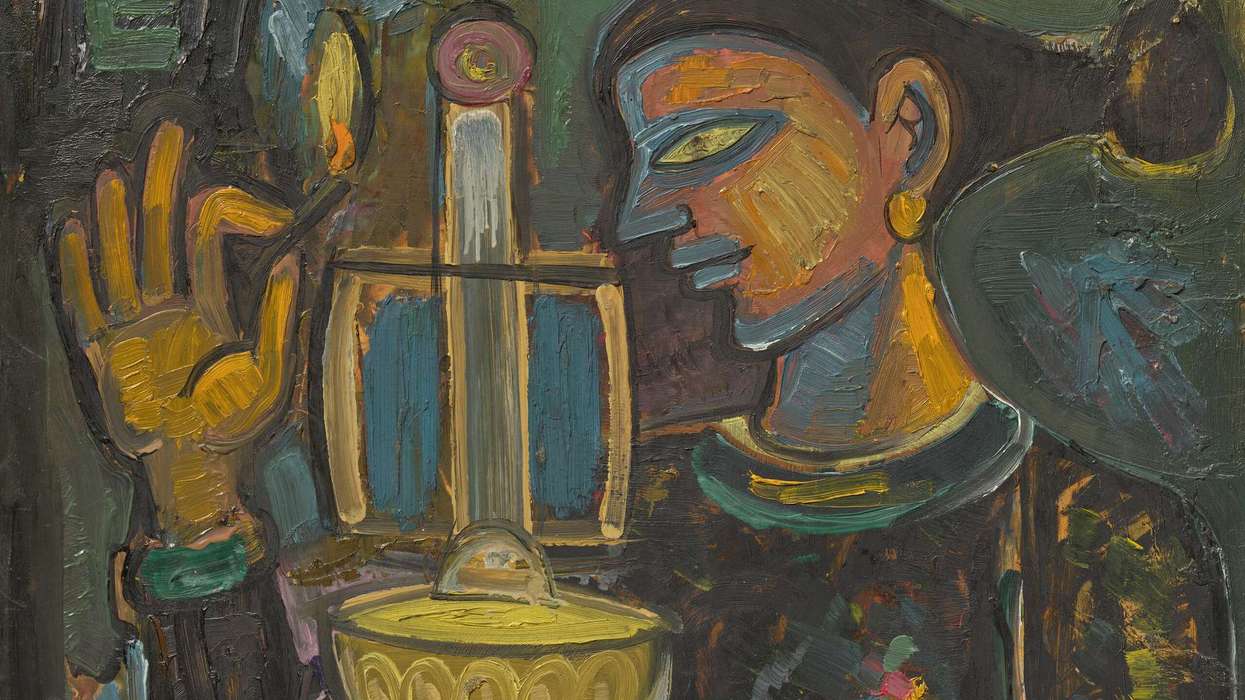
 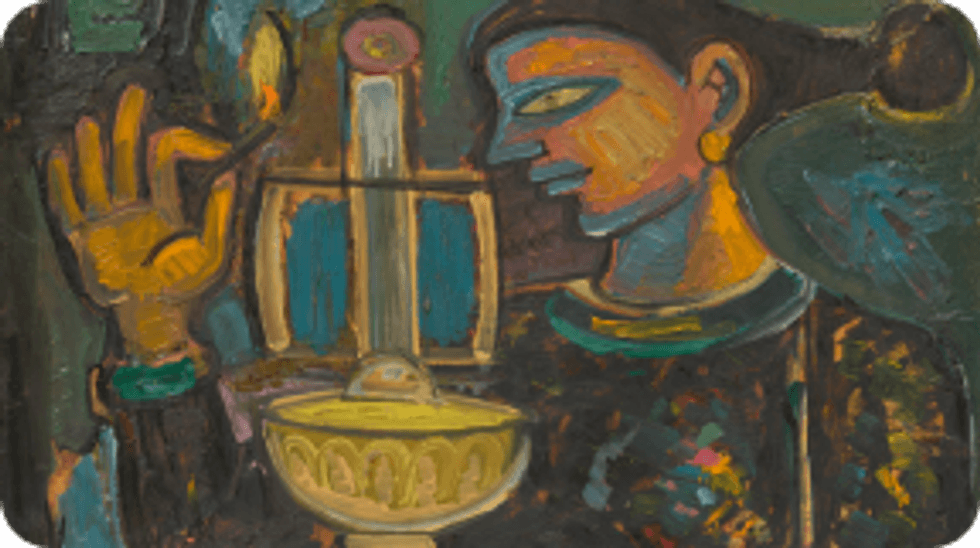 Woman with Lamp by Francis Newton Souza
 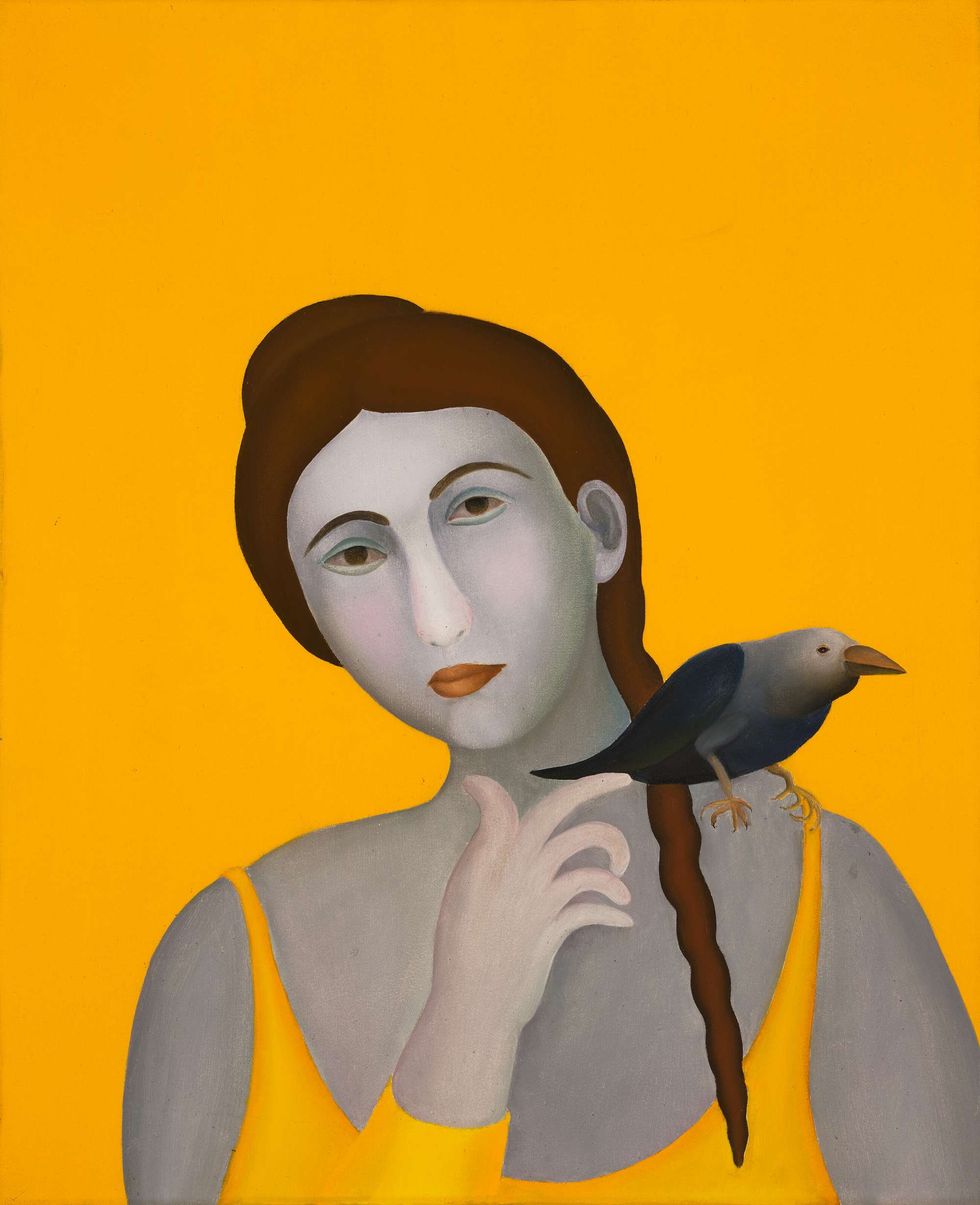 Untitled (Woman with Bird) by Manjit BawaChristie’s
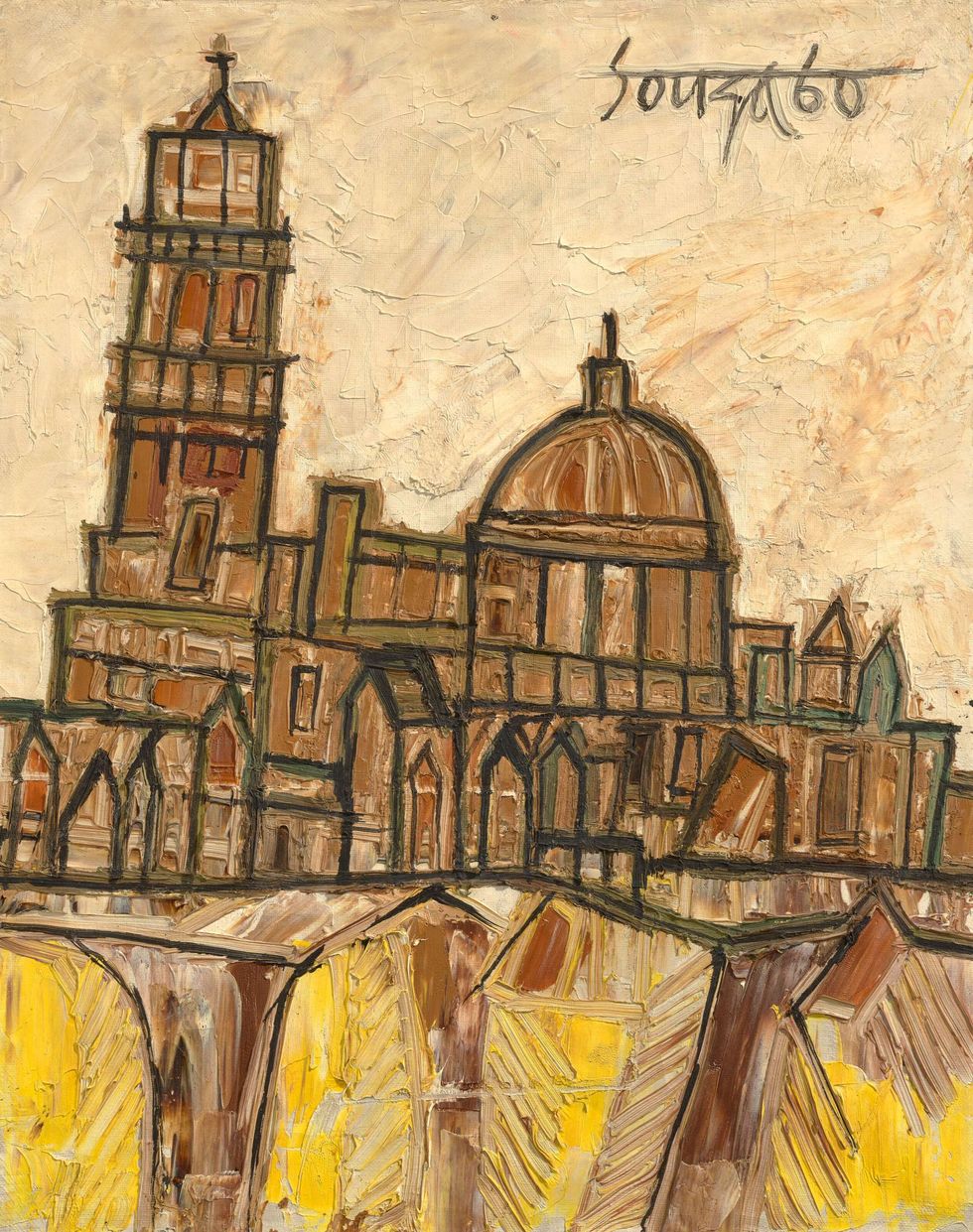 Rome, Church by Tiber by SouzaChristie’s
