
Britain's annual inflation rate fell more than expected in February, official data showed Wednesday, fuelling speculation that the Bank of England may cut interest rates in coming months.
Inflation reached 3.4 per cent last month - the lowest level since September 2021 - after hitting 4.0 per cent in January, according to the Office for National Statistics.
The consensus had been for consumer prices to rise by 3.5 per cent in February, according to the Bank of England and other economists.
The drop may give a boost to embattled Prime Minister Rishi Sunak and his Conservative party as they face the prospect of losing a general election later this year amid discontent over the country's cost-of-living crisis.
But with inflation remaining well above the BoE's two-percent target, the central bank is widely expected to keep its main interest rate on hold in an announcement due Thursday.
This follows a latest regular monetary policy meeting and also an interest-rate announcement Wednesday from the US Federal Reserve.
Economists are forecasting the Fed and European Central Bank will begin cutting rates from June -- having massively hiked borrowing costs as inflation began soaring in 2021.
For the BoE, the outlook is less clear according to economists, even if rate cuts could give a lift to Britain's recession-hit economy.
"The Bank of England has already said it's not going to cut interest rates in a hurry," Sarah Coles, head of personal finance at Hargreaves Lansdown, said following Wednesday's data.
"It's going to wait for lower inflation to bed in. It means there's a decent chance we won't see cuts until August."
The pound was little changed against the dollar and euro following the latest data, while London's FTSE 100 stocks index fell after markets opened.
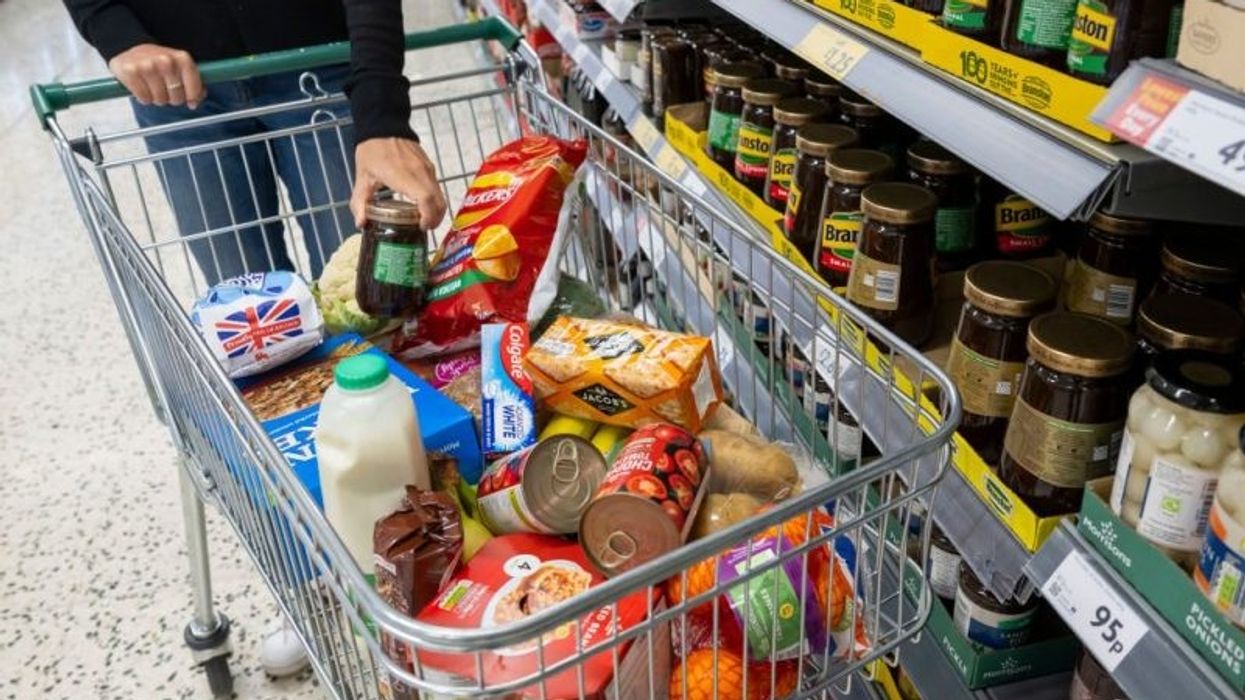
Chief economist at the statistics office, Grant Fitzner, said "almost unchanged" food prices were the "main driver" of the fall to UK inflation last month.
Offsetting this were rises to petrol prices and rents, he added.
On a monthly basis, the Consumer Prices Index rose 0.6 percent last month compared with a rise of 1.1 percent in February 2023, the ONS said.
Food inflation declined to 5 per cent from 7 per cent – down from a peak of 19.1 per cent in March last year.
Restaurant and hotel price inflation dropped to 6 per cent from 7 per cent.
Decisive fall: Hunt
Finance minister Jeremy Hunt welcomed the news.
"Inflation has not just fallen decisively but is forecast to hit the two-percent target within months," he said in a statement.
"This sets the scene for better economic conditions which could allow further progress on our ambition to boost growth."
With his Conservative party forecast to lose power to main opposition Labour in the election, Hunt cautioned against "increasing borrowing or cutting funding for public services" to fund recent tax cuts.
Hunt earlier this month announced a tax cut for millions of workers as the government tries to win round voters.
Sunak followed this up on Monday by launching measures to help small businesses navigate the weak economy. (AFP)