
Dance has always been at the heart of Bollywood, evolving with each era and leaving an indelible mark on Indian cinema
From the grace of classical forms to the electrifying energy of contemporary styles, Bollywood’s finest talents have redefined movement on screen, seamlessly blending tradition with innovation.
As the world marks International Dance Day on April 29, it is the perfect time to celebrate the onscreen performers who have shaped Bollywood’s dance landscape across generations, introducing new styles and revolutionising its rhythms.
Cuckoo: While early pioneer Azurie introduced dance to Bollywood in the 1930s, it was Cuckoo who truly kick-started the art form in the 1940s and 1950s. By popularising the item number, she added a new dimension to Bollywood that would influence the industry for decades. The ‘item bomb’ lit up record-breaking blockbusters such as Andaz (1949), Barsaat (1949), Awaara (1951) and Aan (1952) with her explosive dance performances.
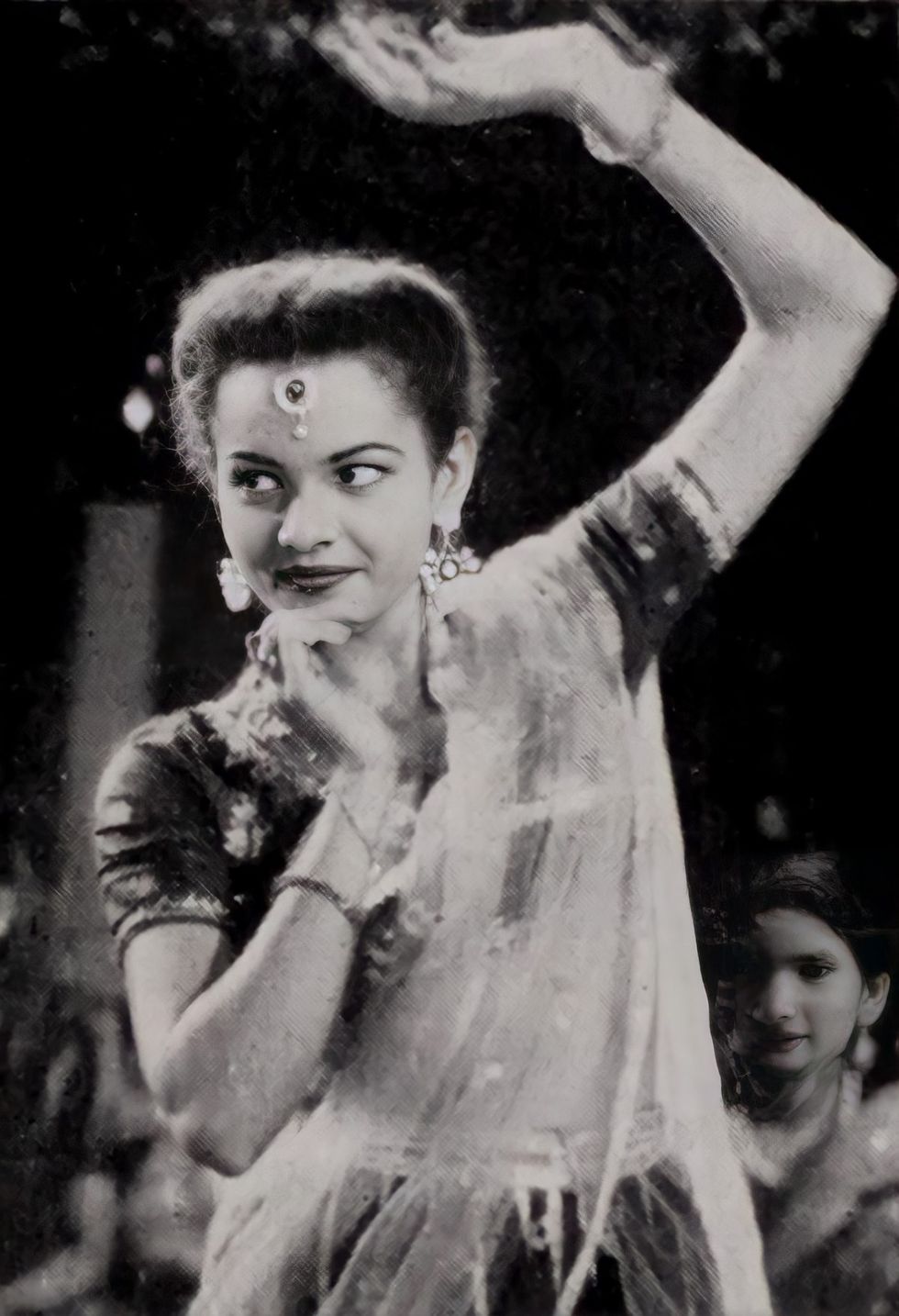 CuckooReddit/ r/ClassicDesiCelebs
Vyjayanthimala: The celebrated leading lady brought classical Indian dance into mainstream Bollywood. More importantly, she shattered the long-held belief that dance was unsuitable for heroines, proving that leading ladies could perform on screen with grace and elegance. She delivered some of the greatest dance numbers in Indian cinema history during the 1950s and 1960s, inspiring generations of actresses who followed in her footsteps.
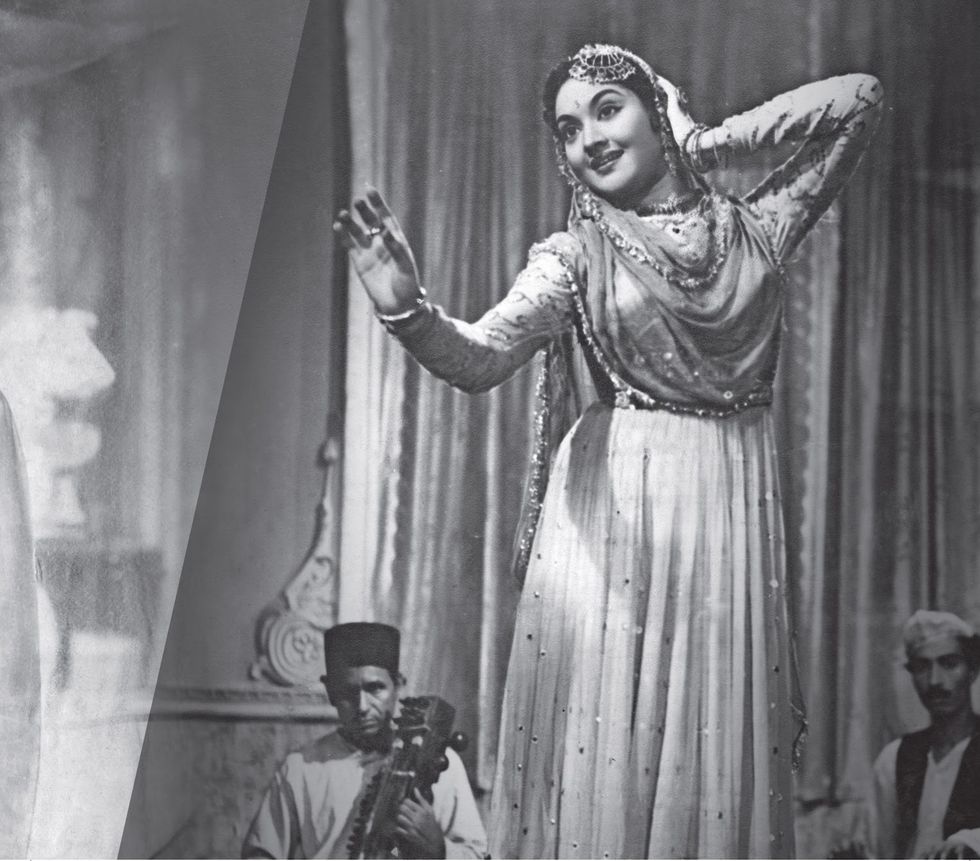 VyjayanthimalaMadraswallah
Helen: Introduced to Bollywood by Cuckoo in the 1950s, the Burmese beauty became the greatest item dancer in Indian cinema history. She infused western influences into Bollywood, delivering breathtaking performances across different decades. Her daring and energetic dance numbers complemented the heroine’s presence, pushing boundaries and breaking taboos in a conservative society.
Shammi Kapoor: Until he arrived, Hindi film heroes were largely static. Bollywood’s answer to Elvis Presley revolutionised dance in the 1950s and 1960s with his improvised, high-energy style. His dynamic performances, including iconic routines alongside heroines and item dancer Helen, inspired generations of male actors to embrace dance as an essential part of their screen presence.
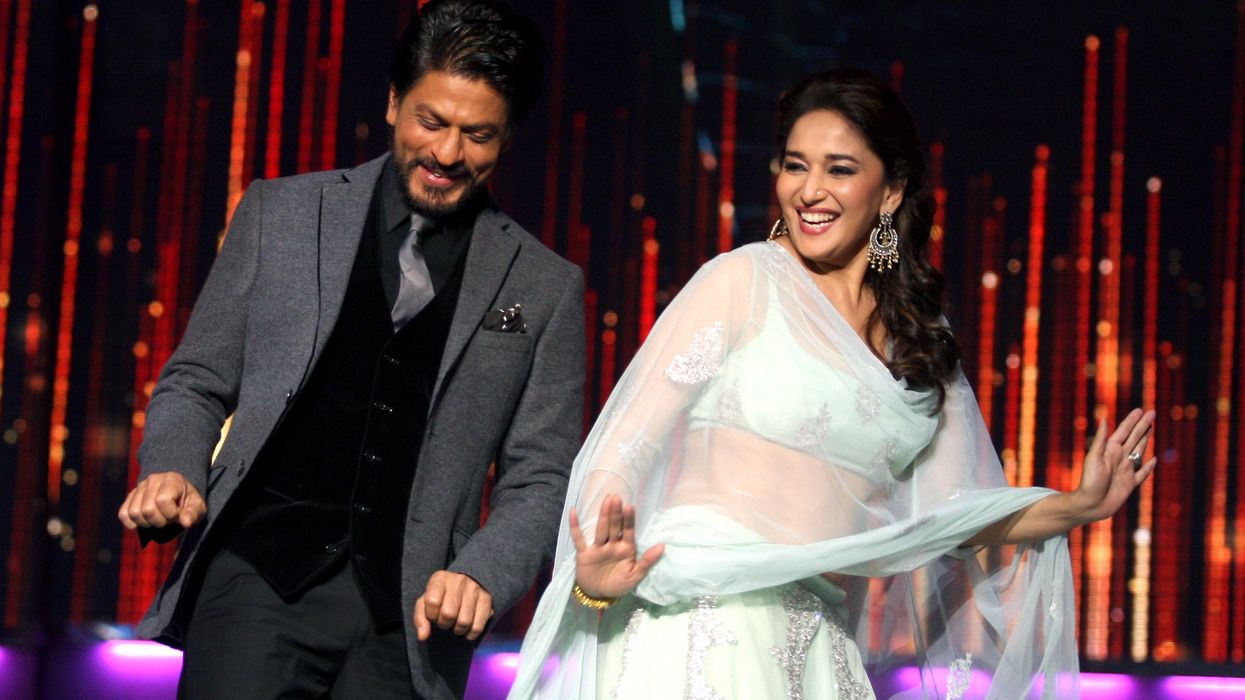
Madhuri Dixit: The item number had faded into obscurity until Bollywood’s greatest-ever dancer revived it in the late 1980s and 1990s. The superstar actress used her impeccable Kathak training to deliver some of the most memorable musical numbers of all time. More importantly, she raised the bar for female dancers, leading to increasingly intricate, eyecatching and technically demanding choreography in Bollywood films.
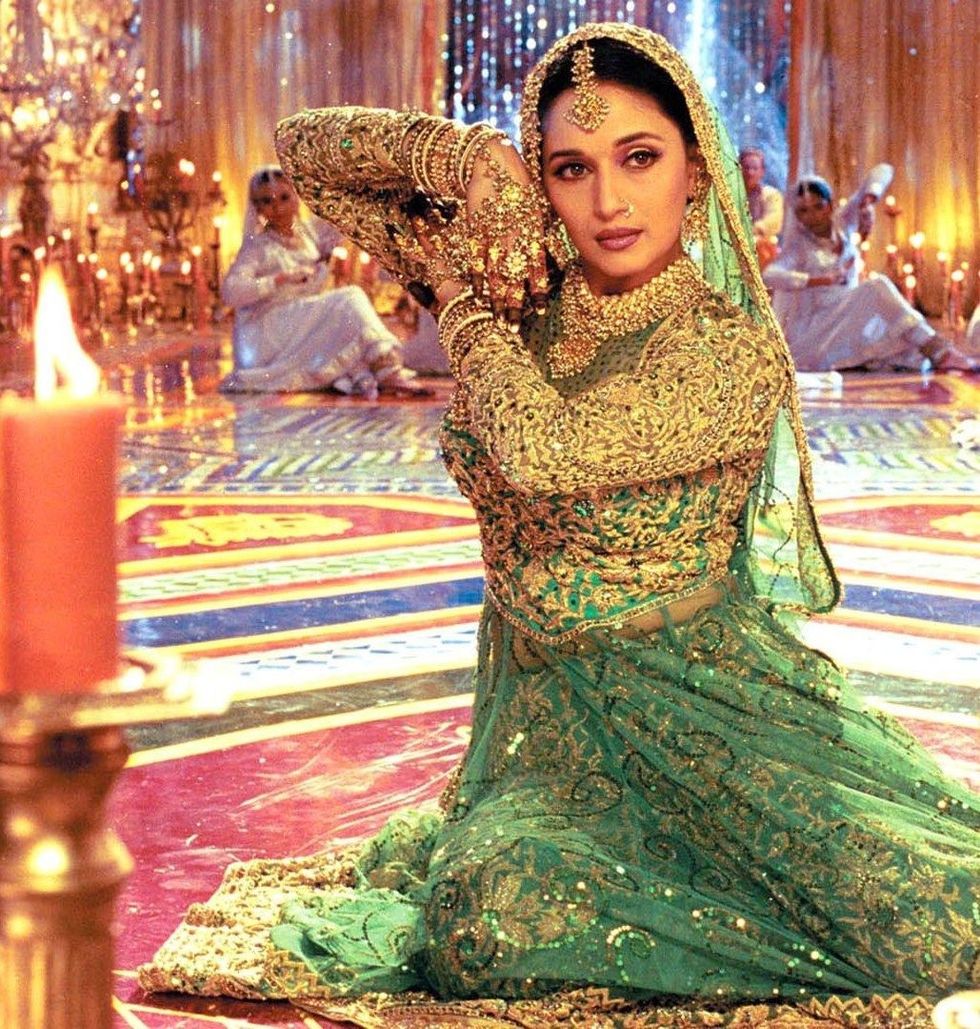 Madhuri DixitBollywood Bubble
Hrithik Roshan: If Madhuri Dixit elevated the standard for heroines, Hrithik Roshan did the same for leading men. Bollywood’s greatest male dancer set an entirely new benchmark with his flawless moves. His spectacular performances introduced a level of precision and finesse never seen before in a Hindi film hero. Thanks to Hrithik, actors could no longer rely on freestyle movements – they had to master dance, cementing its importance in Bollywood’s evolution. Like other icons, Roshan helped shape Bollywood dance into what it is today, ensuring that movement remains an important aspect of Indian cinema.
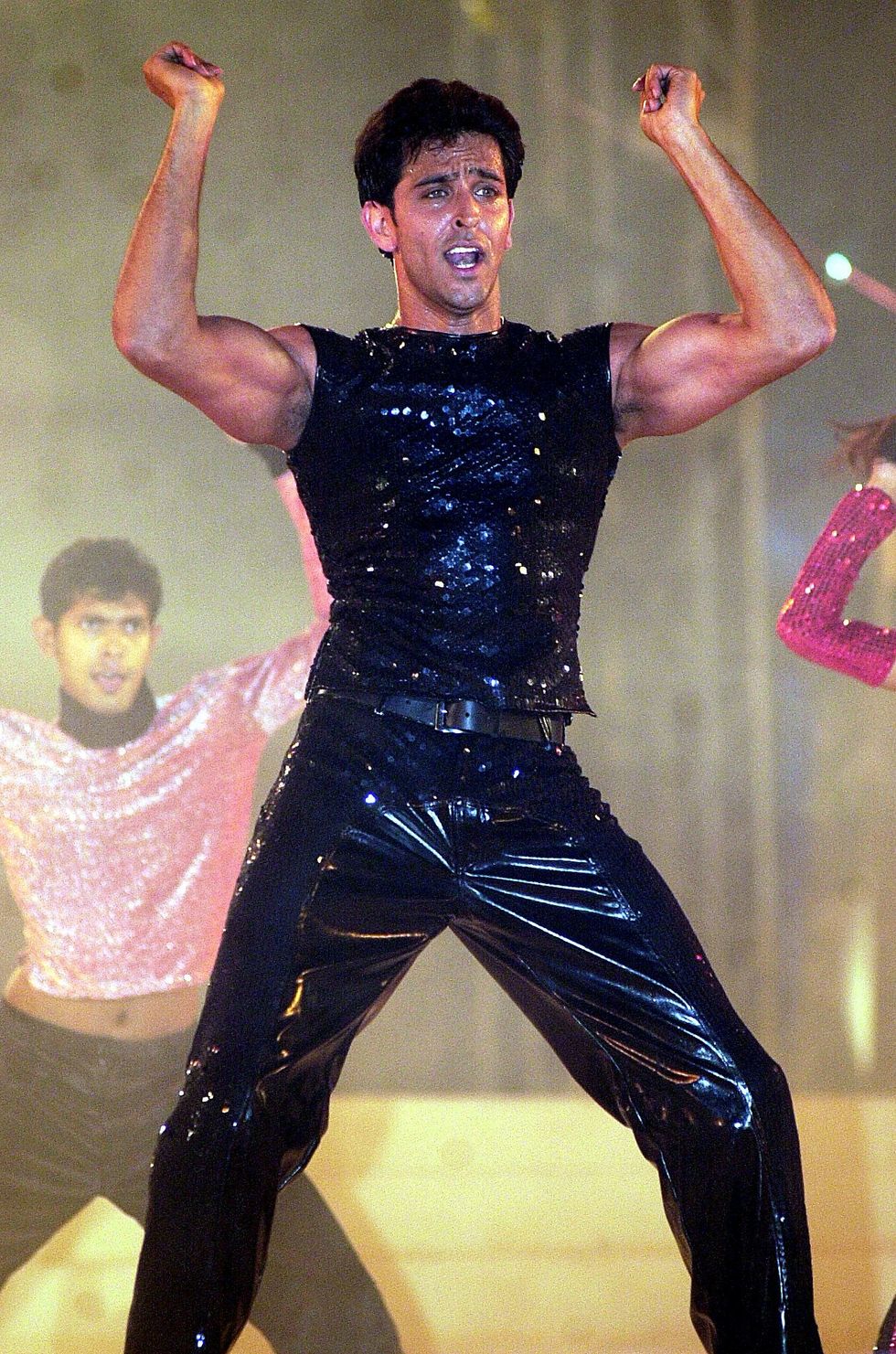 Hrithik RoshanGetty