
Highlights
- Restaurant may close due to lack of dine-in customers following prolonged road works in Birkenhead.
- Controversial 'Wotsit street' orange and yellow road markings ridiculed by locals, deterring visitors.
- Community rallies after Facebook appeal, delivering busiest days since July 2024 opening.
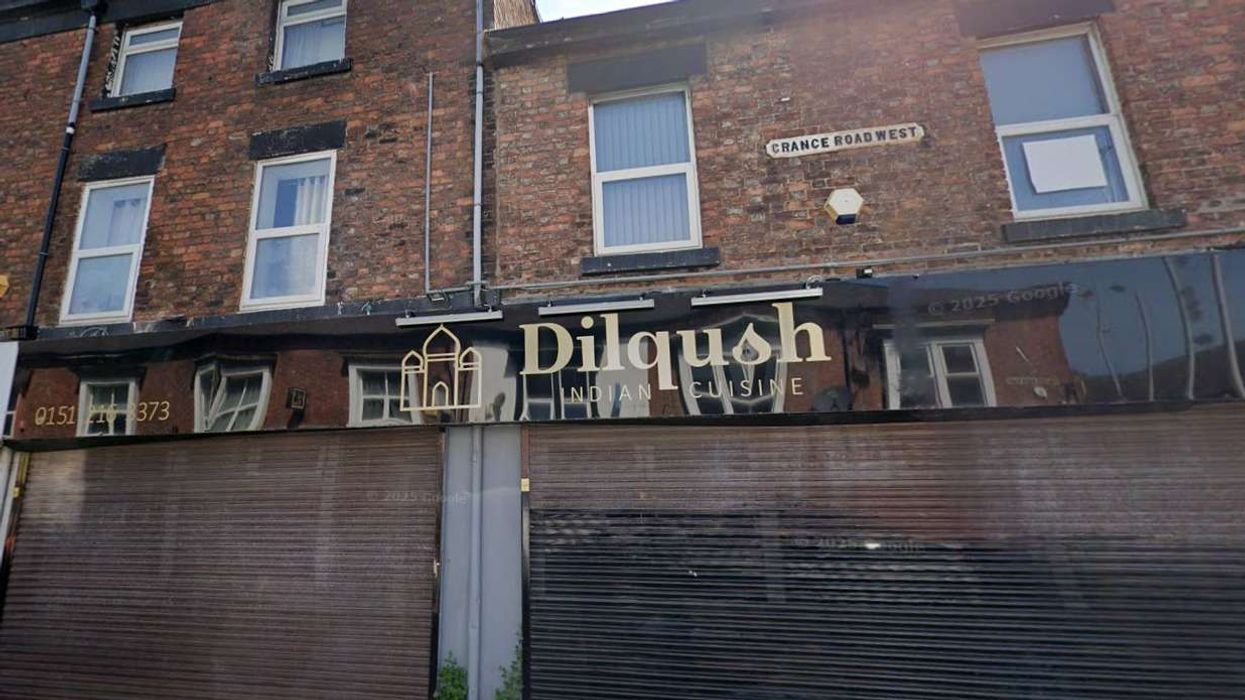
A Merseyside Indian restaurant owner fears they "may be forced to close" after blaming road works and Birkenhead's controversial "Wotsit street" for putting people off visiting the area.
Shabz Miah, who manages the Dilqush Indian Restaurant and Takeaway on Grange Road West, said they were just about hanging on.
The family-run restaurant opened in July 2024, just months after major regeneration works began in Birkenhead town centre.
Grange Road West has been converted into a temporary one-way street featuring distinctive orange and yellow road markings, which locals have dubbed "Wotsit street".
Miah explained the impact "It's been almost a year. We get really good feedback from people. Our takeaway side has been brilliant, but the dining side has been dead. It's been costly for us at the moment because we can't get many dining in. Even when we do not have the customers, we always have to be ready. We have to pay wages and then the electricity bill is quite high."
He criticised the regeneration scheme, saying "Everyone has laughed at the road because of what they have done with the road markings and the benches. I would say that is one of the biggest reasons that we do not have that many people coming inside. It was supposed to be different like Bold Street in Liverpool but it's nothing like that."
Community response boosts
In a recent Facebook post, the restaurant appealed to the community, stating "It truly saddens us to say this, but due to a lack of dine-in customers we may be forced to close our restaurant in the near future. We're reaching out to our amazing local community for support.
The road outside has now fully reopened, and we would really appreciate it if more of you could dine in with us and help keep a local independent business alive."
However, following the Facebook appeal, the restaurant experienced its busiest days since opening.
Miah said "Our local community has been fantastic to us. They do not want us to go. With the customers support, we can go forward rather than sitting in the same position."
Wirral Council stated the scheme aims "to provide better access and connection to the shops, cafes and other services" and will be trialled for six months before feedback is collected.
Local Democracy Reporting Service (LDRS)