
- Bill Gates cancelled keynote appearance at AI Impact Summit in Delhi.
- Decision follows renewed scrutiny linked to Epstein files.
- Speech delivered instead by foundation executive.
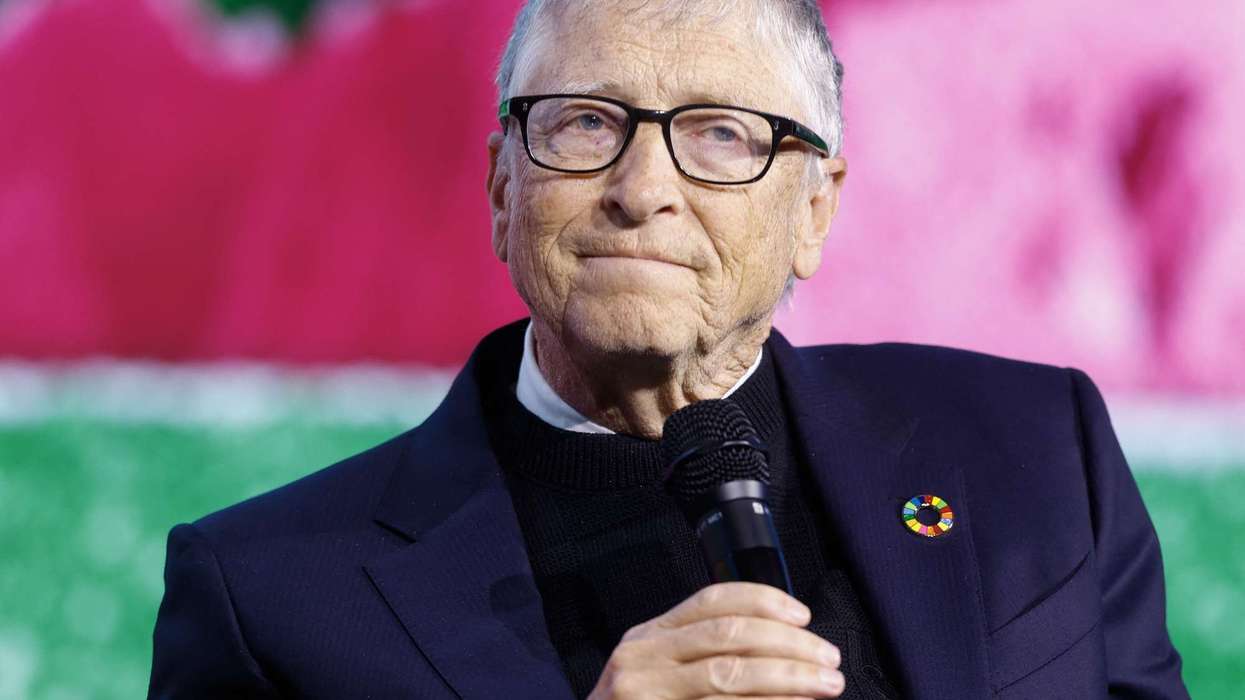
Bill Gates has cancelled his keynote speech at the AI Impact Summit in Delhi as scrutiny over his past relationship with Jeffrey Epstein resurfaced, putting the Microsoft co-founder back in the spotlight. The decision, confirmed by his charity, comes as attention around the Epstein files continues to grow, drawing focus away from the wider agenda of the global AI summit.
The Bill Gates Epstein controversy has again become a talking point after emails referenced in the files alleged, he had contracted a sexually transmitted disease from a “Russian girl”, claims he has strongly denied. He has called the email fake and reiterated that he regrets his association with the convicted paedophile.
Stepping back to avoid distraction
The Gates Foundation said he would no longer deliver his keynote address, saying the move was made after “careful consideration” to ensure attention remained on the summit’s priorities, as quoted in a news report.
The speech was instead delivered by Ankur Vora, president of the foundation’s Africa and India offices, who did not mention Mr Gates’s absence during his remarks.
Mr Gates, 70, had been in India ahead of the event, and his appearance had been scheduled months earlier, before the US Department of Justice released millions of Epstein related emails.
He has previously described himself as “foolish” for spending time with Epstein and has insisted he never visited the financier’s private island in the Caribbean, reportedly said in earlier statements.
The summit itself — a major gathering of political leaders and technology executives — has also faced reports of overcrowding and logistical challenges.
Elsewhere at the event, former chancellor George Osborne said countries needed to embrace AI “fomo” or fear of missing out because failing to do so could leave them poorer, reportedly said during a session.
UN Secretary General António Guterres warned against leaving artificial intelligence to “the whims of a few billionaires”, as quoted in a news report, highlighting concerns about concentration of power.
OpenAI chief Sam Altman also called for stronger oversight, saying regulation is needed urgently for powerful technologies, reportedly said, while arguing that wider access to AI could help ensure broader benefits.
As discussions continue, Mr Gates’s withdrawal appears to underline how personal controversies can quickly overshadow major global technology events, even as leaders push forward conversations on the future of artificial intelligence.