
- A government-commissioned review says the NHS maternity system is failing to provide consistently safe care.
- The report calls for a new Maternity Commissioner and urgent reforms to improve safety and accountability.
- Families welcomed some recommendations but campaigners said the review stopped short of addressing key concerns.
England's NHS maternity care system requires fundamental reform after an independent review concluded it is failing to deliver consistently safe, high-quality and compassionate care for women and babies. According to the BBC report, the government-commissioned investigation found wide variations in care, poor accountability and "unacceptable racism and discrimination" embedded across maternity services.
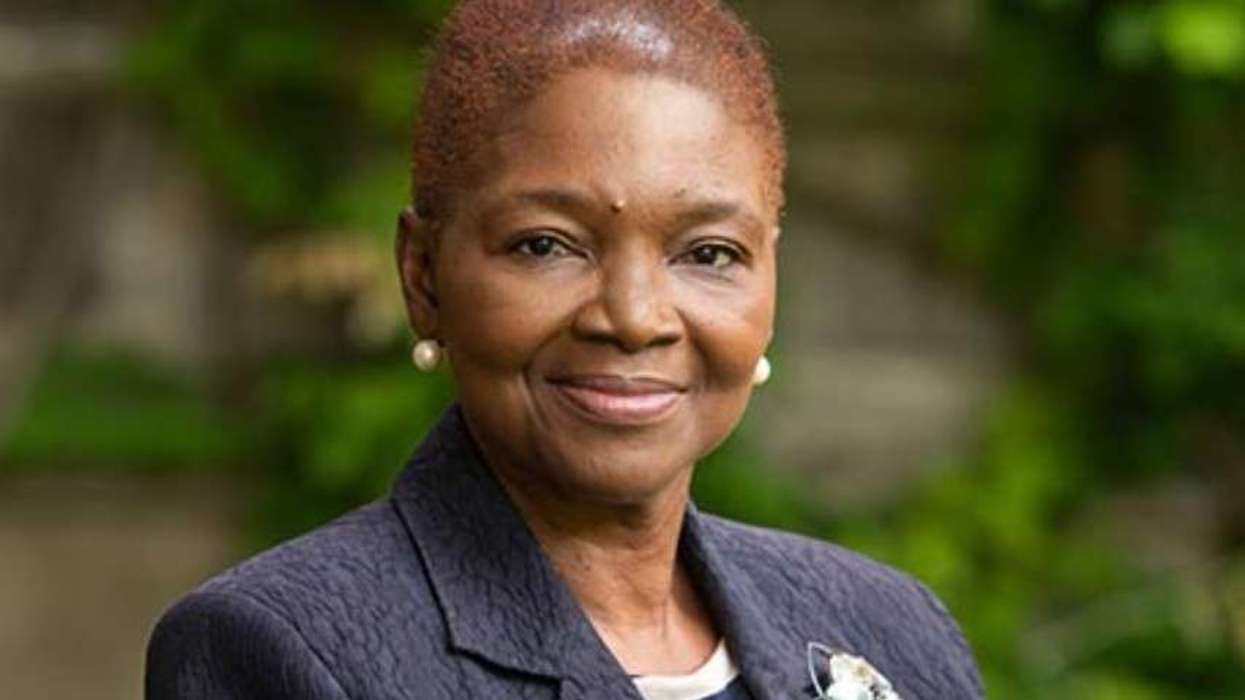
The review, led by Baroness Valerie Amos, was launched after a series of maternity scandals across England, including the recent findings into Nottingham University Hospitals NHS Trust. More than 450 families shared their experiences with the inquiry, while the review team visited 12 NHS trusts to identify why problems continue to emerge despite repeated investigations.
Listening to women emerges as the biggest failing
Rather than identifying a single cause, the review concluded that the NHS maternity system is fragmented, overly complex and too slow to learn from mistakes. As per the report, one of the most common concerns raised by families was that women were simply not being listened to when they reported complications or concerns during pregnancy and childbirth.
Baroness Amos reportedly said the country "cannot continue like this" and recommended eight major reforms to improve maternity care. Chief among them is the appointment of an independent Maternity and Neonatal Commissioner, who would oversee improvements, hold organisations to account and report to both Parliament and families.
The review also recommends significant changes to maternity triage, describing it as increasingly becoming the equivalent of an accident and emergency department for pregnant women. It says maternity units should dedicate midwives to handling calls promptly and offer face-to-face assessments where concerns remain unresolved. According to the report, these changes could reduce harm and save lives.
Another key finding was that racism and discrimination should be treated as patient safety issues rather than separate equality concerns. The review recommends collecting more detailed data on unequal outcomes and escalating persistent patterns to NHS trust boards for action.
Families welcome reforms but debate continues
The report has already generated debate within the maternity sector. As per the report, one of the country's leading maternity investigators, Dr Bill Kirkup, resigned from the review process after reportedly disagreeing with Baroness Amos's conclusion that pressure for so-called "normal birth", including the refusal of caesarean sections, was not a widespread national problem.
Bereaved parent Rhiannon Davies, whose campaign helped expose failings at Shrewsbury and Telford Hospital NHS Trust, welcomed many of the recommendations. She reportedly said the review correctly reframed listening to women as a patient safety issue rather than simply a matter of patient experience.
Other campaign groups were less convinced. The Birth Trauma Association described the report as a "huge missed opportunity", arguing it did not sufficiently reflect the experiences of women who suffered birth injuries or trauma. Meanwhile, the Maternity Safety Alliance questioned the proposal for a single commissioner, saying it could concentrate too much responsibility in one role without guaranteeing meaningful independence.
The Department of Health and Social Care said it would take urgent action in response to the findings. According to the BBC, the government plans to establish the proposed Maternity and Neonatal Commissioner, publish a national action plan in December, and invest £41 million to improve maternity and neonatal safety across England.
While Baroness Amos acknowledged calls for a statutory public inquiry, she reportedly said such inquiries can take years to complete and believes the immediate priority should be implementing reforms that deliver faster improvements for women, babies and families.