
Highlights
- Couples would be able to pass on an extra £1 million tax-free
- The tax is currently 40% on estates above £325,000, or above £500,000 when a home goes to a direct descendant
- Only around 5 per cent of estates pay it, but rising house prices are pulling in more families
- Employer National Insurance would be halved to 7.5 per cent for 21 to 24-year-olds.
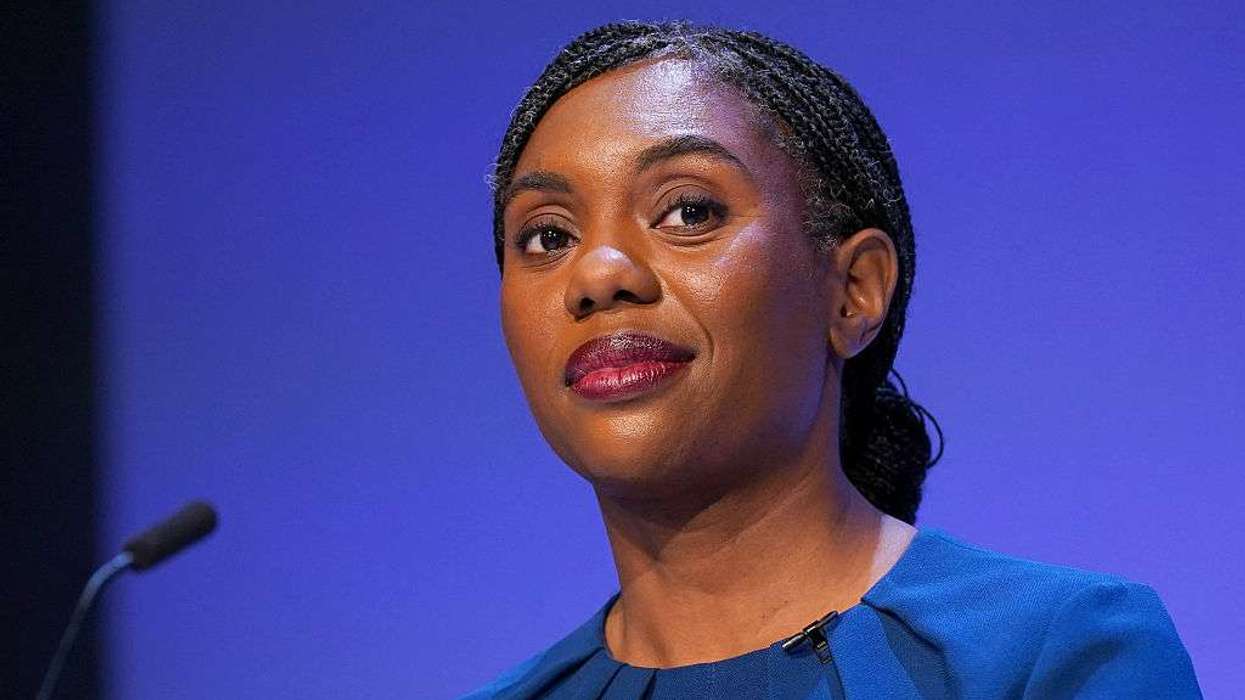
KEMI BADENOCH has promised to abolish inheritance tax on family homes, in a pitch aimed squarely at families who hope to pass property down the generations.
Speaking on the final day of the Conservative Party conference in Birmingham on Wednesday (7), the Tory leader said a Tory government would also allow couples to pass on an additional £1 million without paying the levy.
She said she wanted to scrap the tax altogether once the government could afford it. "I believe the people who work hard and save should be rewarded for that effort," Badenoch said.
Inheritance tax is currently charged at 40 per cent on the value of an estate above £325,000. The threshold rises to £500,000 if a home is passed to a direct descendant, such as a child or grandchild.
Polls often name the tax Britain's most disliked levy, even though only around 5 per cent of estates pay it. Rising house prices, particularly in London, mean more ordinary families are being pulled over the threshold. House of Commons research projects the tax will raise about £14.7 billion a year by 2030/31.
Help for young jobseekers
Badenoch also proposed halving employer National Insurance contributions for 21 to 24-year-olds, from the current 15 per cent to 7.5 per cent, to encourage businesses to hire young people.
Badenoch framed the next election as a "battle for the soul of this nation", contrasting her low-tax message with what she described as the state-directed economic plans of prime minister Andy Burnham's Labour government. She accused Labour of wanting to spend money the country did not have.
But the Tories, who have governed Britain for longer than any other party, now sit third in the opinion polls after years of turmoil following the 2016 Brexit vote.
Badenoch acknowledged the party had "still a lot of work to do" to win back voters.
"People are looking through the shop window, they like what they see, but not enough of them are buying yet," she said.
None of the proposals will take effect unless the Conservatives win the next general election.
(with inputs from agencies)