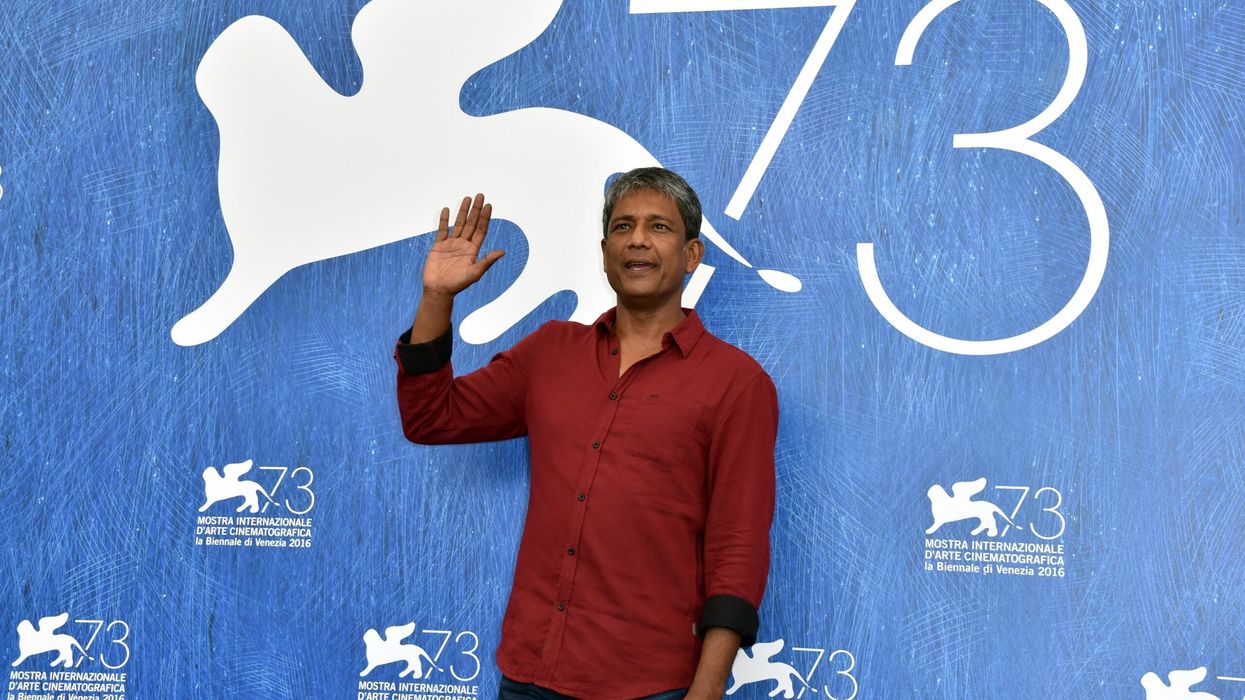

Actor Adil Hussain has a wide range of films to his name, including internationally acclaimed works like 'The Reluctant Fundamentalist' and Life of Pi.
The actor, who is renowned for his refined acting abilities and diversified, unconventional performances, talked about the culture of filmmaking in India and abroad.
During a conversation with ANI, he shared how acting style in Hollywood is influenced by the climate.
When asked if you have to work in Hollywood, do you need to change your work style, he said, "It depends. Like one of my works hasn't been released in India unfortunately. It was an Italian film, Gangor based on Mahasweta Devi's story. The movie was directed by an Italian director and an Italian production. So, it is an English film when I started acting, the director asked me, 'Move your hands, you are from India, it's not a cold country. Don't act like a Hollywood actor.'"
Briefing more on how cold climate is related to the style of acting, he added, "The genre of acting in European films or Hollywood films is influenced by their climate. As it is cold, there is less body movement and they don't prefer to speak much unlike India."
On his experience during the shoot of Life of Pi, Hussain recalled the meticulous planning, professionalism, and discipline and how filmmaking is different in Hollywood and Bollywood. "In terms of the culture of filmmaking, there is a huge difference. I got my script three months before and the driver was scheduled two months before the shoot started in Taiwan," he said.
The 2012 adventure-drama film Life of Pi was written by David Magee and directed by Ang Lee. It is based on Yann Martel's 2001 novel of the same name and features Adil Hussain, Gerard Depardieu, Tabu, Rafe Spall, Irrfan Khan, and Suraj Sharma in the key parts. "The film worked well because of its story, technique, and meticulous planning."
"So, when I say 99 per cent of films made in India are mediocre, it is not because of lack of talent but because of people who make decisions on finance. Here is talent but the execution of creative planning is a mess. They have to understand that it is 80 per cent creativity and 20 percent business but here it happens the other way round," he added.
Talking about streaming projects and a number of good projects coming up, he said, "It is like a drop in the ocean, not every film. We have to give them concession, "India ke hisaab se acha hai". Why? We have amazing stories. Make Mahabharata which will eat up almost all the cinema halls in the world. Each and every chapter can become a story."