
Highlights
- Indian Army names left off Basra Memorial for nearly 100 years.
- Digital memorial includes ranks and regiments for first time.
- Iraq safety issues prevent physical memorial updates.
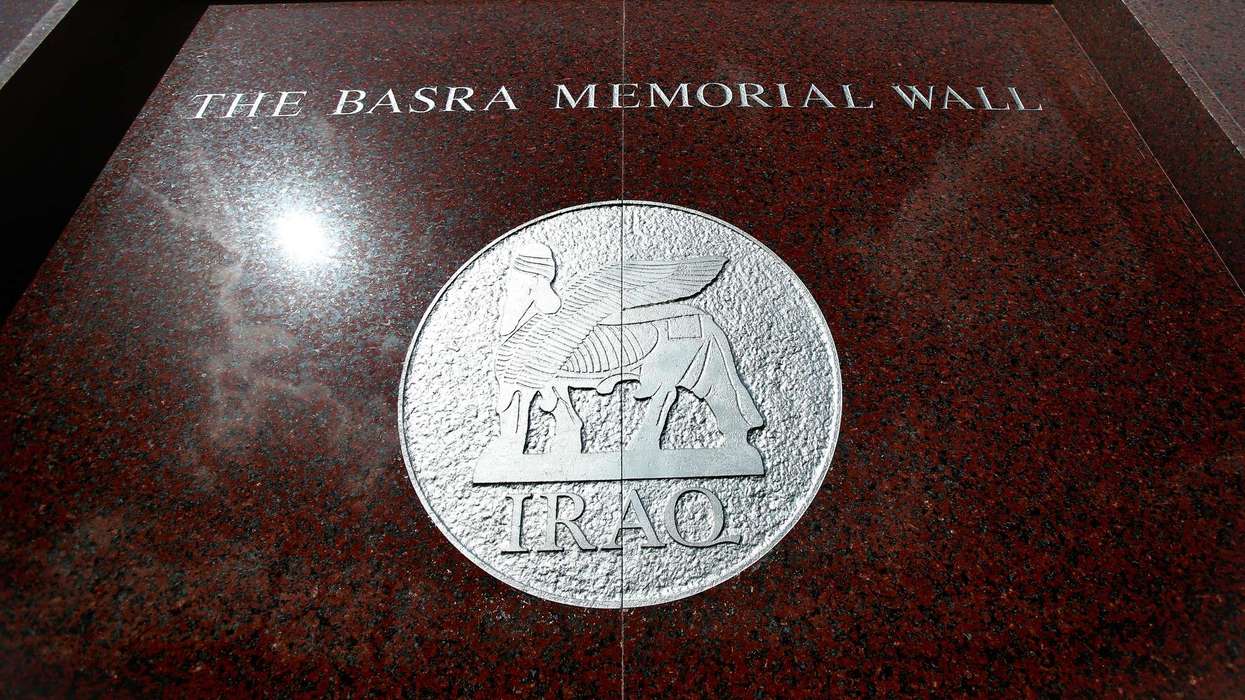
The Commonwealth War Graves Commission put up new digital name panels for the Basra Memorial earlier this month.
These panels show Indian soldiers' names together with over 46,000 other Commonwealth troops who died in the region. The area was then called Mesopotamia.
The Mesopotamia Campaign was the British Empire's biggest operation outside Europe in the early 20th century.
Tens of thousands of Indian soldiers died there. But their names were never added to the physical memorial.
Shrabani Basu sits on the CWGC Global Advisory Panel. She welcomed the change.
"The Mesopotamia Campaign was one of the toughest campaigns in the First World War, with Indian soldiers dying in the tens of thousands; yet their names were never added on the Basra memorial," she said.
Basu wrote a book called 'For King and Another Country: Indian Soldiers on the Western Front 1914-18'.
She added: "It is wonderful to see the new digital panels and to finally see the 33,000 Indian names displayed as they always should have been, complete with ranks and regiments."
The CWGC chose digital commemoration because Iraq is not safe right now. Workers cannot travel there to update the physical memorial.
They cannot properly check the site until conditions improve. Many Indian soldiers from the First World War were historically recorded by numbers only, not by their individual names.
Digital solution implemented
Dr George Hay is the CWGC Official Historian. He called this an important moment.
"For the first time, the names of these men will be displayed as they should have been nearly a century ago, restoring to them the honour they deserve," he said.
The charity says this unequal treatment is one of several problems it is fixing. The Basra Memorial showed a clear example of past mistakes that needed correcting.
The CWGC explained that digital memorials support physical sites rather than replace them.
These tools help more people learn about the 1.7 million Commonwealth troops who died in both World Wars, especially when they cannot visit in person.