
Highlights
- The Strokes open their finale with a timeline of contested global interventions
- Visual montage links Cold War episodes with present-day conflict narratives
- Performance clip draws millions of views before being removed from X
- Raises questions about how music stages are shaping historical interpretation
A concert that doubled as a curated narrative
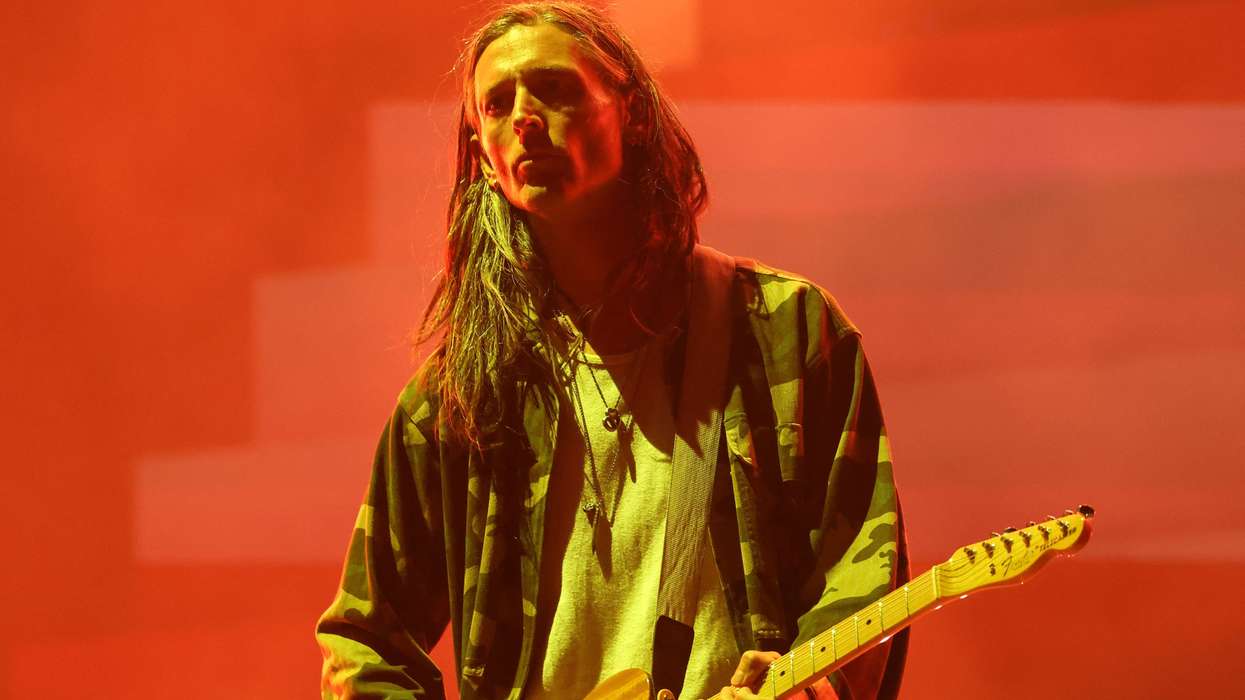
The Strokes turned their closing set at Coachella into something closer to a visual essay than a conventional performance.
As Oblivius played, towering LED screens rolled through a sequence of political figures whose removal or deaths have been linked, through evidence or long-standing suspicion, to the Central Intelligence Agency.
Frontman Julian Casablancas framed the moment with a pointed line: “What side you standing on?”
Reframing history through performance
The montage compressed decades into minutes. It opened with Patrice Lumumba, executed in 1961 with Belgian backing, alongside a separate CIA plot that had targeted him during the Cold War.
It moved to Jacobo Árbenz, removed in a 1954 coup, and Juan José Torres, who was ousted and later killed.
Salvador Allende appeared next, tied to the 1973 coup that brought Augusto Pinochet to power. While speculation has persisted, forensic findings later confirmed Allende died by suicide.
The sequence also included Mohammad Mosaddegh, whose 1953 removal was later confirmed through declassified US records as a CIA-led operation. Martin Luther King Jr. was shown as well, though official investigations found no evidence linking the US government to his assassination.
Further images featured Omar Torrijos and Jaime Roldós Aguilera, both killed in plane crashes in 1981, officially attributed to pilot error.
Linking past narratives to present conflict
The closing moments shifted to current events, referencing airstrikes in Iran and showing footage of Gaza’s al-Israa University, the last functioning university in the territory before its destruction in 2024.
A clip of the performance spread rapidly online, crossing five million views on X before being removed.
Casablancas also referred to viral AI-generated videos mocking US political leadership. He criticised platforms such as YouTube for taking them down after a channel linked to the clips was removed for policy violations.
From entertainment to interpretation
The performance reflects a wider shift in festival culture. Artists are not only responding to current events but shaping how they are framed and remembered.
At the same event, Gigi Perez called for a “free Palestine”, while Kneecap had earlier displayed messages critical of Israel and US policy.
The Strokes approached it differently. Instead of direct slogans, they built a sequence of images that connected past and present, turning a festival stage into a space where history itself was arranged and questioned in real time.