
Highlights
- Wim Wenders has withdrawn Wrong Move from circulation
- The decision follows concerns raised by actor Nastassja Kinski about a topless scene filmed when she was 13
- Wenders apologised and said Kinski “should have been better protected”
- The film-maker has instructed distributors and streaming platforms to stop making the film available
Kinski’s criticism leads to dramatic reversal
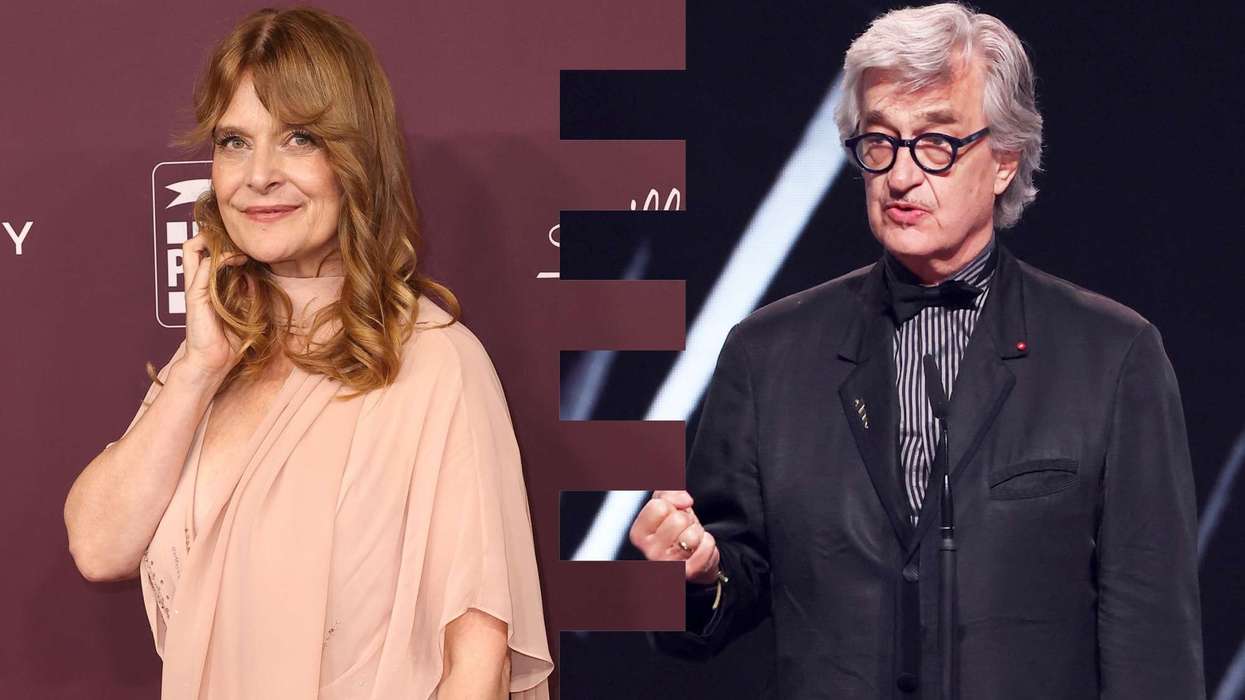
More than 50 years after its release, Wim Wenders has withdrawn his 1975 film Wrong Move following renewed criticism from actor Nastassja Kinski, who appeared topless in the film at the age of 13.
The German director announced that streaming services, television broadcasters and distribution partners had been instructed to stop making the film publicly accessible. The decision comes weeks after Kinski revealed she had spent 15 years unsuccessfully trying to persuade Wenders to alter the film.
Kinski, now 65, recently told German newspaper Süddeutsche Zeitung that she felt unprotected during the production.
“That was my first film, he was my first director and he didn’t protect me,” she said. “Even though I didn’t know much aged 13, I knew that that was not OK.”
Wenders apologises and accepts responsibility
The withdrawal marks a change in position for Wenders. Speaking at the German Film Awards last week, the director had argued that while he would not shoot the scene in the same way today, Wrong Move was also a product of its time and any retrospective changes would require wider industry discussion.
His comments drew criticism, including from filmmaker and actor Julius Feldmeier, who argued in an open letter that it was Wenders’ responsibility to address the issue.
In a statement published by the Wim Wenders Foundation, the director later acknowledged that Kinski should have received greater protection during filming.
“As the only person responsible at the time for Wrong Move who is still here, I recognise that Nastassja Kinski should have been better protected back then,” he said.
Wenders also issued what he described as an unconditional apology, saying he was sorry “without ifs or buts”.
A wider debate about child actors
Wrong Move marked Kinski’s screen debut, with the actor playing a mute teenage acrobat. She later reunited with Wenders for Paris, Texas and went on to build an international career spanning more than 60 films.
The controversy has reignited discussion about how child actors were treated in earlier decades and how historical productions should be handled today.
Kinski has previously challenged another film featuring her as a minor. She successfully campaigned against the distribution of a television production directed by Wolfgang Petersen in which she appeared nude at the age of 15, with her legal team later reaching an agreement with broadcaster NDR.
The withdrawal of Wrong Move now closes a chapter in a dispute that Kinski says has lasted for more than a decade, while raising fresh questions about accountability in the film industry.

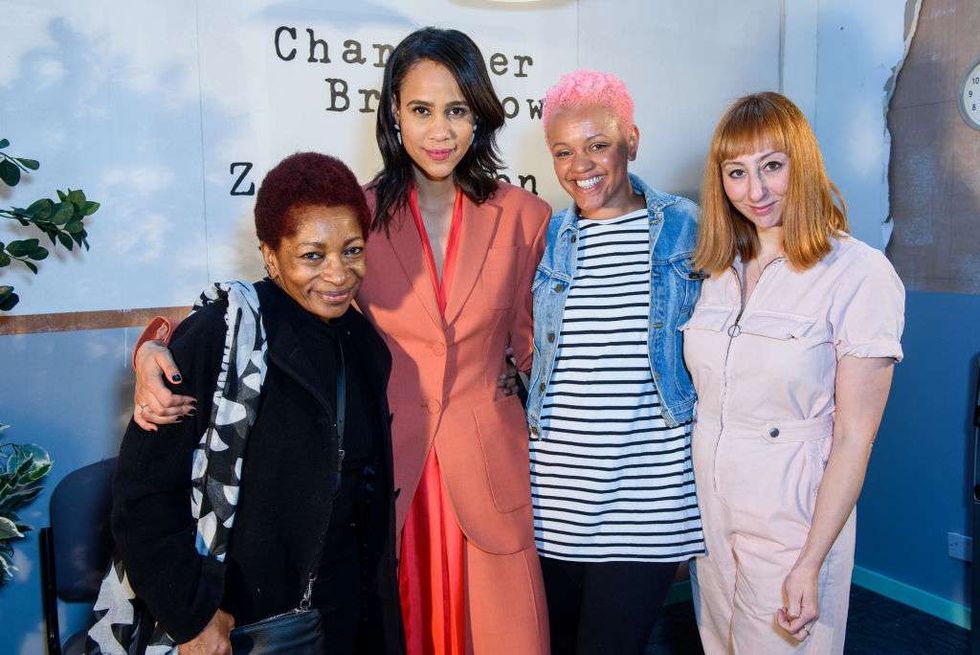 Bonnie Greer, Zawe Ashton, Gemma Cairney and guest at the "Character Breakdown" by Zawe Ashton book launch at Wild By Tart on April 03, 2019 in London, England. Photo by Joe Maher/Getty Images
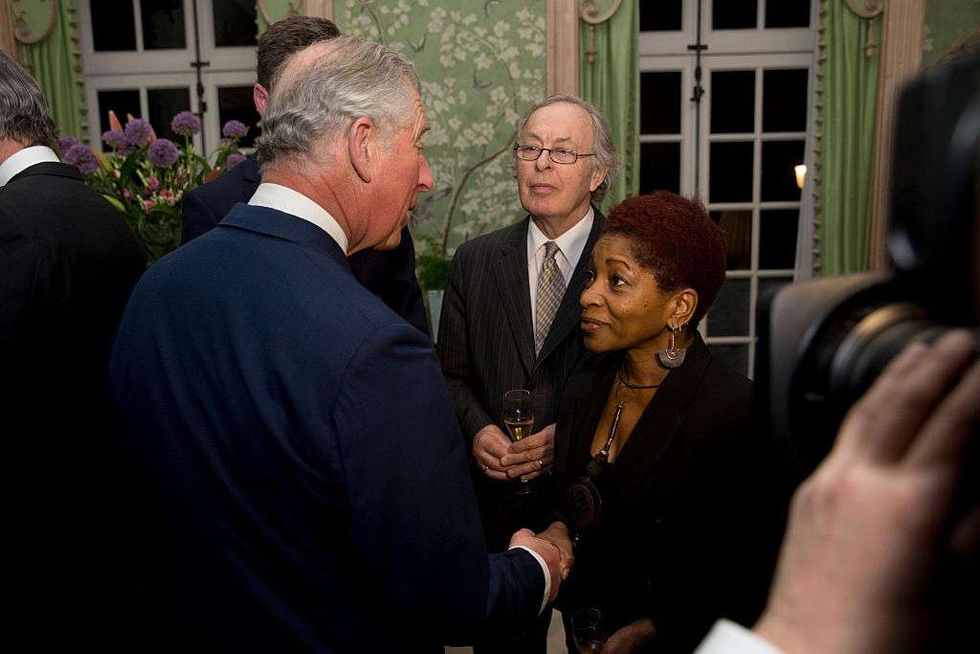 Prince Charles, Prince of Wales meets American-British playwright, novelist and critic Bonnie Greer, right, during a reception for Americans living and working in the UK, at the official residence of the U.S. Ambassador to Britain, Winfield House on March 9, 2015 in London, United Kingdom. The reception was held Monday evening ahead of Prince Charles and his wife Camilla visiting the U.S. next week. Photo by Matt Dunham - WPA Pool/Getty Images
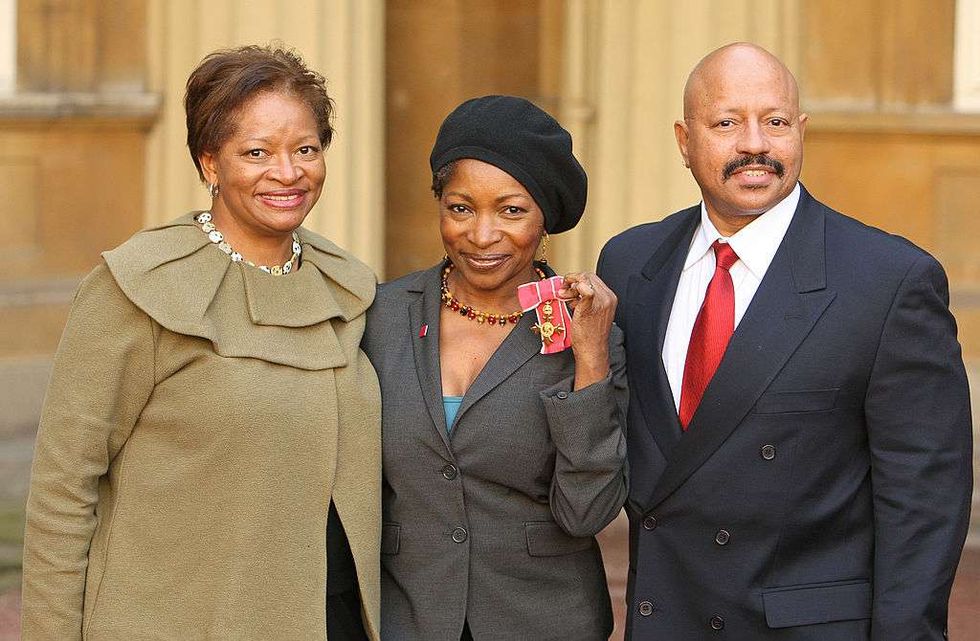 Playwright Bonnie Greer, (C) poses with her sister Regina Greer-Smith, and brother-in-law Theron Smith, after she was awarded her Officer of the British Empire (OBE) medal from the Prince of Wales, at an investiture ceremony at Buckingham Palace, November 19, 2010 in London. Dominic Lipinski - WPA Pool/Getty Images
