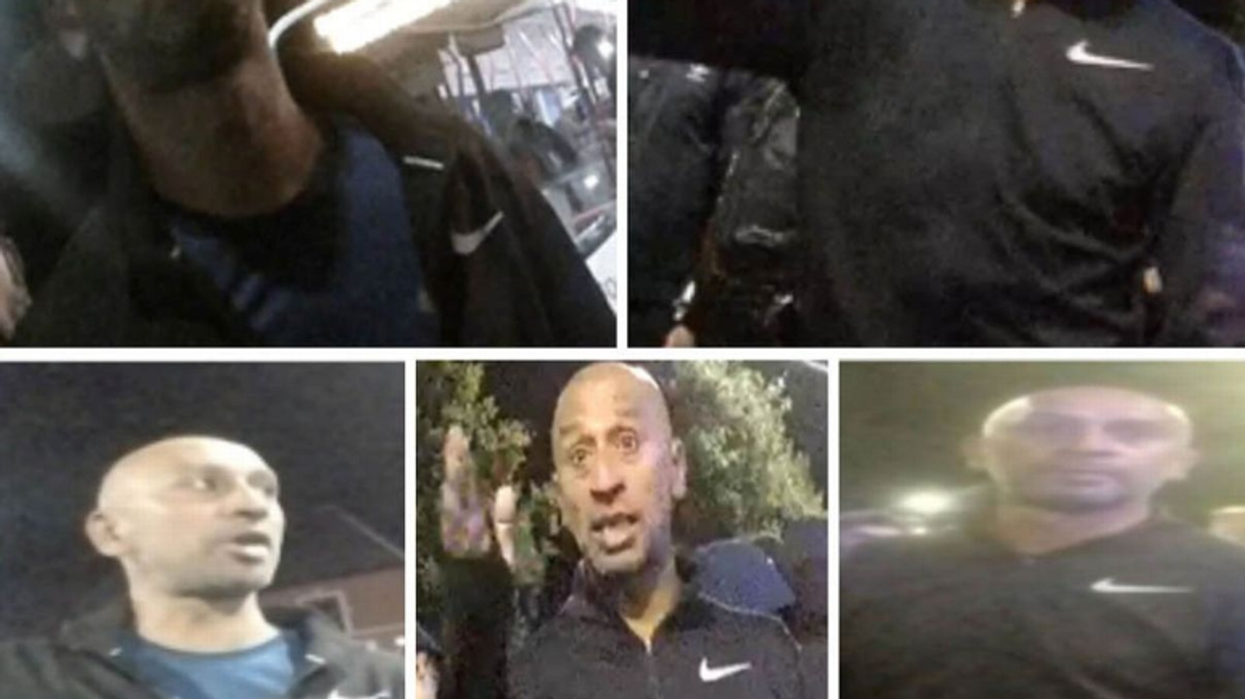
Hundreds of people demonstrated outside a key mosque in the Bangladesh capital on Saturday (27), as the country braces for violence a day after deadly protests by hardline Islamists against a visit by Indian prime minister Narendra Modi.
The clashes, which began Friday at the main mosque in the capital Dhaka, spread to several key districts in the the Muslim majority nation of 168 million, leaving five people dead and scores injured.
Facebook has been restricted in the country, a company spokesman said, after users complained they could not access the site since late Friday afternoon as images and reports of the violence were shared in social media.
A spokesman for the Border Guard Bangladesh (BGB), which also acts as a reserve paramilitary force to maintain law and order, said it had deployed troops in parts of the country since Friday night.
"With the instructions of the home ministry and in aid of the civil administration, the required number of BGB has been deployed in different districts of the country," Lieutenant Colonel Fayzur Rahman told AFP, without disclosing the numbers involved.
Rahman, who is the operations director of the force, said there had been no reports of violence after their deployment.
"Situation is normal," he said.
But defying the security measures, hundreds of Islamists gathered at the Baitul Mukarram Masjid, the country's biggest mosque situated in central Dhaka, to protests police shooting at protesters and Modi's tour to the Muslim majority country.
An AFP correspondent at the scene said the protesters belonged to Hefazat-e-Islam, the country's largest hardline Islamist outfit behind Friday's protests in over a dozen places including its heartland in Chittagong.
They chanted slogans against Modi, the correspondent said.
Several thousand supporters of Hefazat also staged protests at Hathazari, the rural town outside the country's second largest city, which witnessed the worst violence yesterday when four protesters were shot during demonstrations.
Hefazat spokesman Jakaria Noman Foyezi told AFP around 10,000 students of Hathazari Madrasa were on the road, blocking a key highway linking the port city with the country's hill districts.
Ruhul Amin, the government administrator of the town, said Hefazat supporters put up makeshift bricks wall and dug up the road as vehicles, preventing vehicles from moving on the roads.
"There is no violence," he said.
Mohammad Jahangir, a senior Chittagong police officer, said border guards, police and the elite Rapid Action Battalion have been deployed at the town to tackle any untoward situation.
The disturbances came as Bangladesh marked 50 years of independence with rights groups calling for an end to growing authoritarianism including forced disappearances and extra-judicial killings.
Police said four bodies of members of Hefazat were brought to Chittagong Medical College Hospital after violence erupted at Hathazari, where the group's main leaders are based.
A supporter of the group was also killed in clashes in the eastern border town of Brahmanbaria, another key bastion of Hefazat.
- Strike call -
A Hefazat spokesman said tens of thousands of supporters of the group demonstrated on Friday to protest against Modi's two-day tour to Bangladesh.
The group has called nationwide demonstrations for Saturday and a strike on Sunday to protest against the police's actions and firing on "peaceful" protesters.
Hefazat is known for its nationwide network and large-scale protests demanding Bangladesh introduce blasphemy laws.
In 2013 police clashed with tens of thousands of Hefazat supporters in Dhaka, leaving nearly 50 people dead.
As well as Hefazat, a diverse range of Bangladeshi groups -- including students, leftists and other Islamist outfits -- have been staging protests against Modi's visit.
They accuse Modi and his Hindu-nationalist government of stoking religious tensions and inciting anti-Muslim violence including in the Indian state of Gujarat in 2002 when 1,000 people died. Modi was Gujarat's chief minister at the time.
Modi was set to visit two key Hindu temples in rural districts of southern Bangladesh on Saturday.
As protests spread, Facebook users complained they could not access the site.
Post and telecommunications minister Mustafa Jabbar said his ministry was not responsible for the stoppage.
"This is not our decision," he told AFP, adding it was up to the law enforcement agencies to say what actions they had taken.
"We're aware that our services have been restricted in Bangladesh. We're working to understand more and hope to have full access restored as soon as possible," a Facebook spokesperson said.





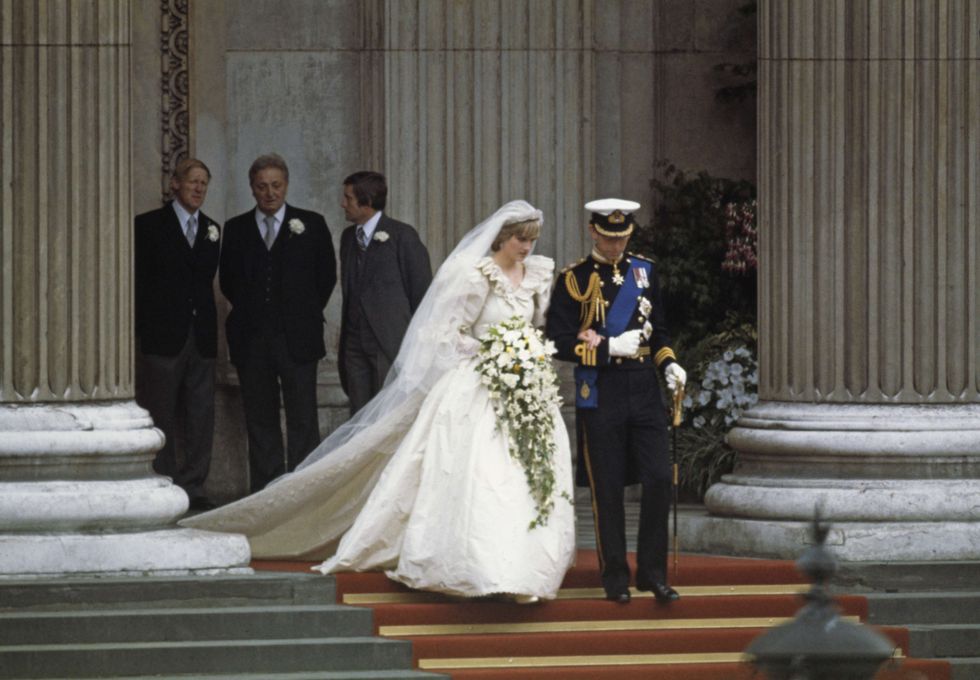 She quietly broke with centuries of royal tradition by omitting the word "obey"Getty Images
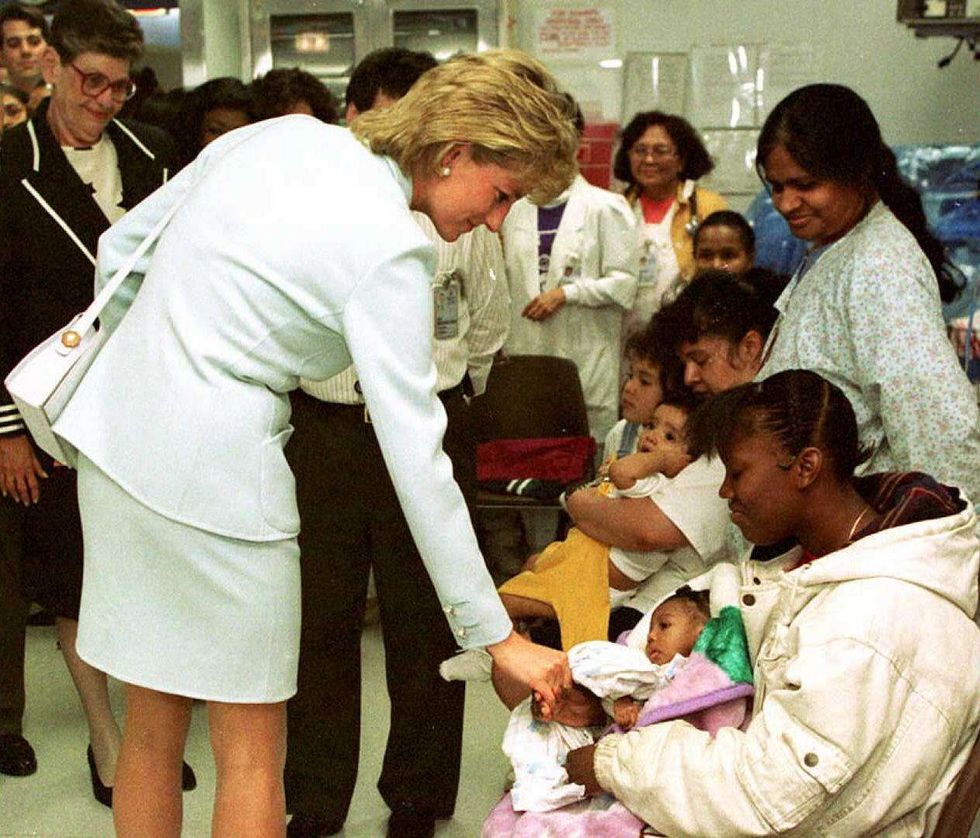 A royal who was often ahead of her timeGetty Images
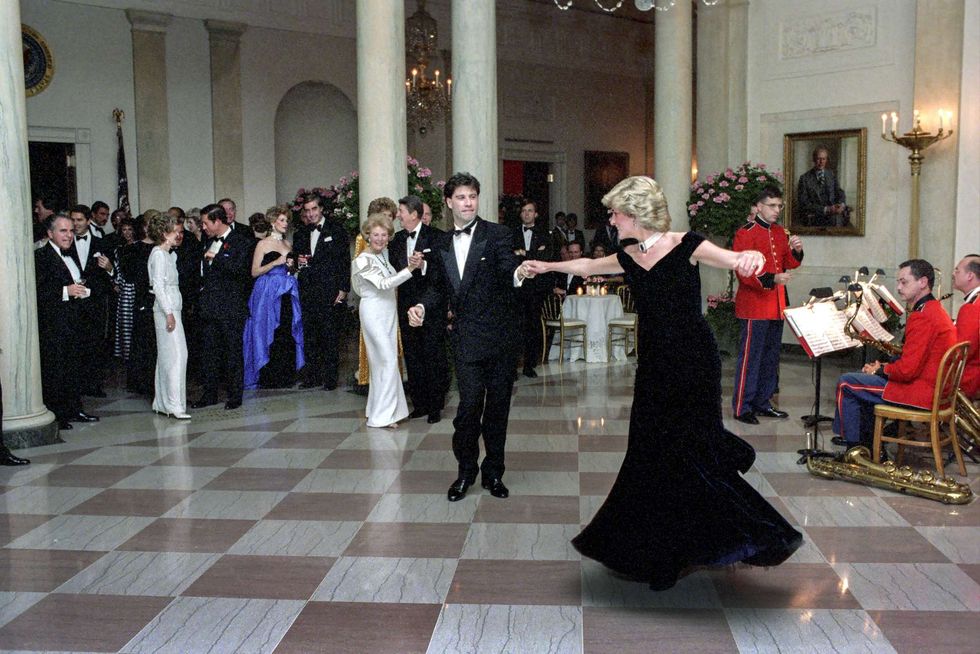 Her dance with actor John Travolta at the White House in an elegant off-the-shoulder velvet gownGetty Images
 Diana transformed royal fashion by embracing bold, contemporary styles that often made headlinesGetty Images