
Highlights
- Scotland have the largest contingent, with five England-born players in their squad.
- Aaron Wan-Bissaka will play for DR Congo after representing England at youth level.
- Former Manchester United midfielder Zidane Iqbal is set to represent Iraq.
- Marc Guéhi is the only member of England's squad who was born outside England.
WHEN England begin their 2026 FIFA World Cup campaign, they will do so with a squad made up almost entirely of players born in England.
Elsewhere at the tournament, 24 footballers born on English soil are set to represent other nations.
Some progressed through England's youth system before switching allegiance, while others always intended to represent the countries of their parents or grandparents. Together, they reflect the increasingly international nature of modern football.
Scotland lead the way
No nation has a larger England-born contingent than Scotland.
Five members of Steve Clarke's squad were born in England, highlighting the close footballing links between the neighbouring countries.
 Scott McTominay of Scotland during an international friendly match between Scotland and Japan on March 28, 2026 in Glasgow.Getty Images
Scott McTominay was born in Lancaster, while striker Che Adams hails from Leicester. Goalkeeper Angus Gunn was born in Norwich and represented England at youth level before committing to Scotland.
Sixty years on, England still can't escape 1966
Manchester-born twins Tyler and Jack Fletcher, sons of former Scotland captain Darren Fletcher, complete the group.
Aaron Wan-Bissaka's international switch
Aaron Wan-Bissaka is among the highest-profile examples of an England-born player representing another nation.
Born in London and capped by England at Under-20 level, the West Ham United defender will play for DR Congo after making the switch in international allegiance.
He is joined by fellow London-born midfielder Aaron Tshibola in the DR Congo squad.
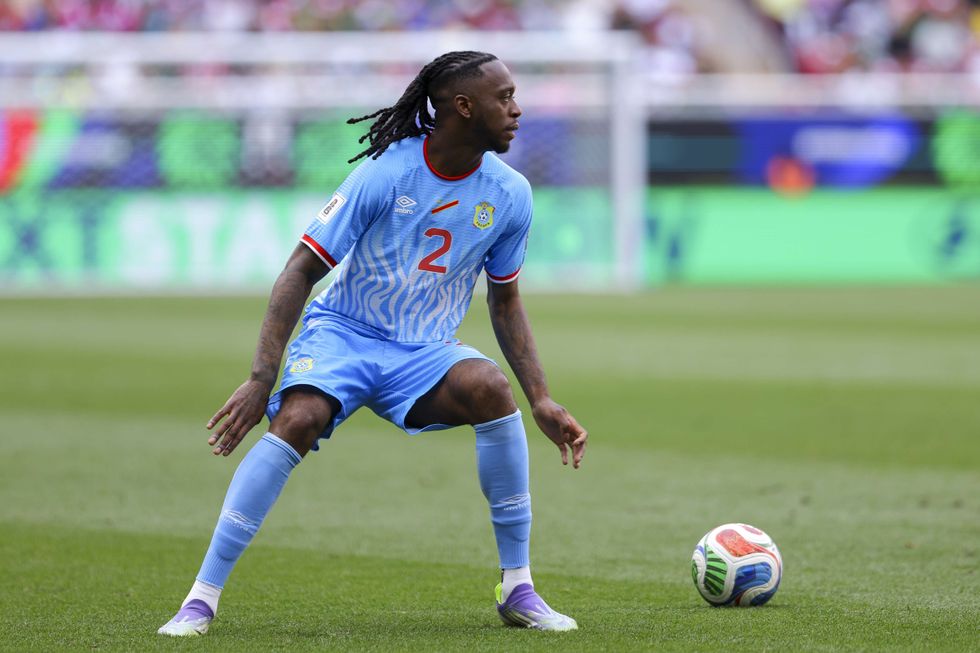 Aaron Wan-Bissaka controls the ball during the FIFA World Cup 2026 Play-Off tournament final match between Congo DR and Jamaica at Estadio Guadalajara on March 31, 2026 in Zapopan, Mexico.Getty Images
Ghana's England-born contingent
Ghana's squad also includes several players born in England.
Bournemouth forward Antoine Semenyo, who was born in London, is joined by defender Jerome Opoku, another London-born player.
Brandon Thomas-Asante, who was born in Milton Keynes, completes the group.
From Manchester to Iraq
Zidane Iqbal was born in Manchester and came through Manchester United's academy before choosing to represent Iraq.
The midfielder has become a regular member of Iraq's national team and is expected to feature at the World Cup.
England-born players in North America's squads
Canada goalkeeper Owen Goodman was born in London and previously represented England at youth level before switching allegiance.
As one of the tournament's co-hosts, Canada will be hoping to make an impact on home soil.
The United States also have an England-born player in their ranks. Attacker Giovanni Reyna was born in Sunderland while his father, Claudio Reyna, was playing in England.'
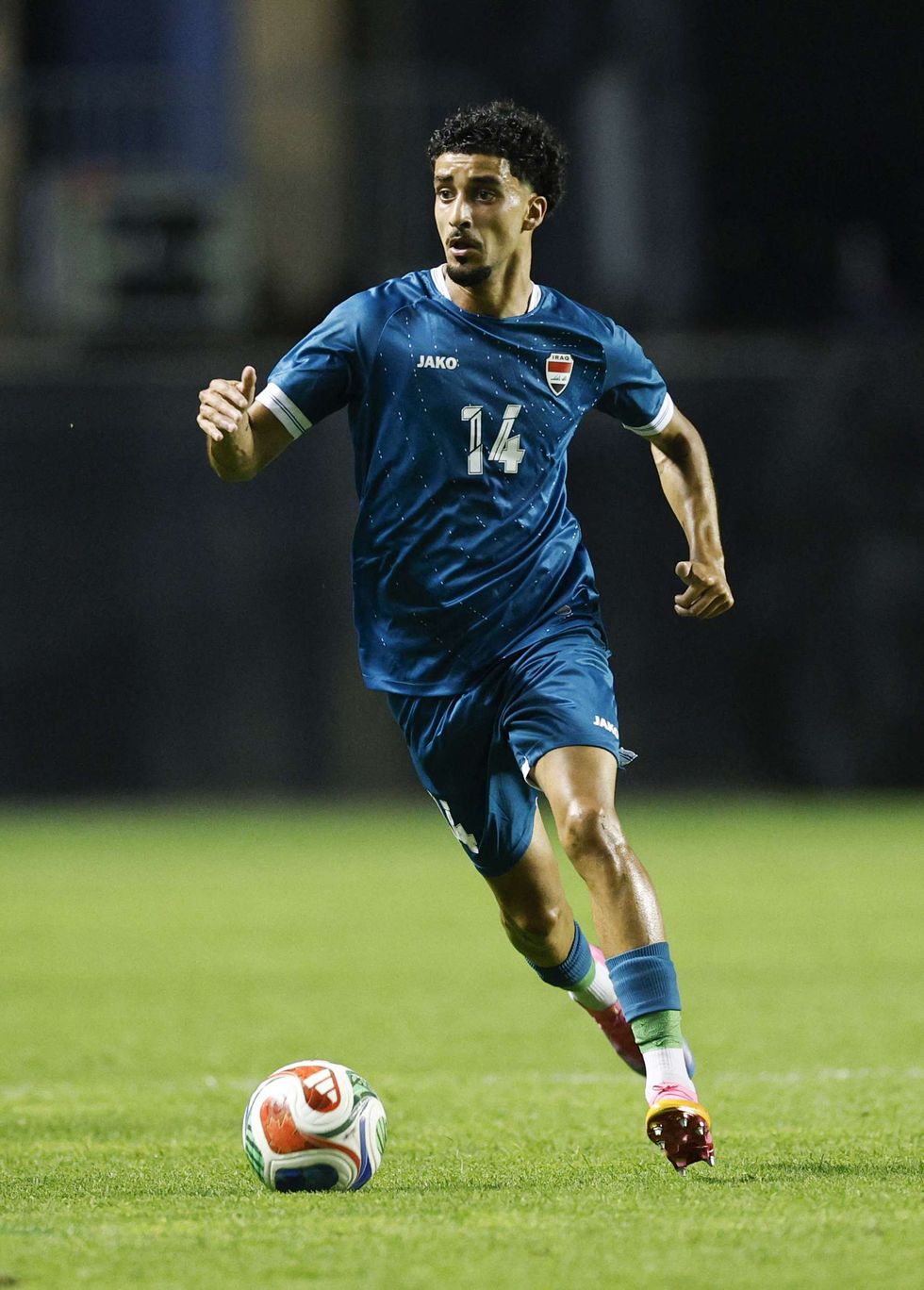 Zidane Iqbal was born in Manchester and came through Manchester United's academy before choosing to represent Iraq.Getty Images
Born in England, playing elsewhere
Some of the tournament's most recognisable names were also born in England.
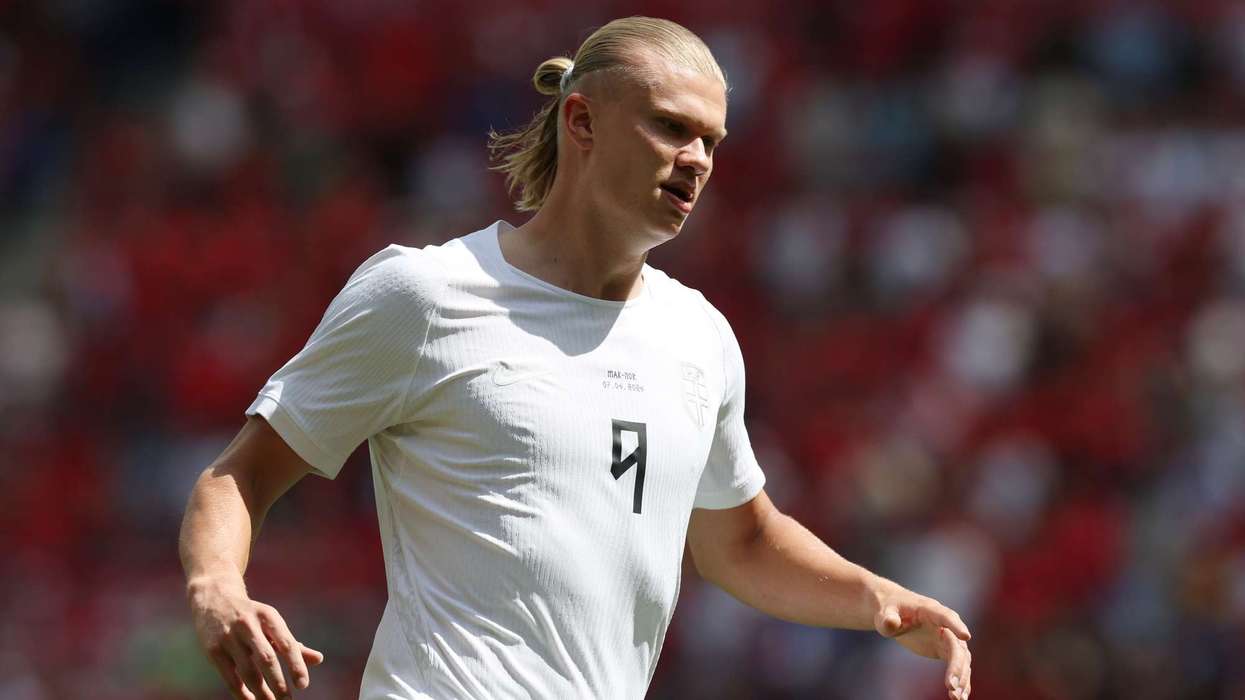
Norway striker Erling Haaland was born in Leeds while his father, Alf-Inge Haaland, was playing for Leeds United.
Like Reyna, Haaland was born in England because of his father's club career and was never expected to represent the Three Lions.
England's only overseas-born player
While 24 England-born players are representing other nations, Thomas Tuchel's England squad contains just one player born outside England.
Defender Marc Guéhi was born in Abidjan, Ivory Coast, before moving to south London as a child.
He has since become a regular in England's defence and remains an important part of Tuchel's plans.
More than a birthplace
International football increasingly reflects migration, family heritage and dual nationality.
For some players, representing another country provides an opportunity at international level. For others, it is a reflection of family ties and personal identity.
The 2026 World Cup will feature numerous players whose careers and backgrounds span multiple countries — including 24 who were born in England but will represent another nation on football's biggest stage.


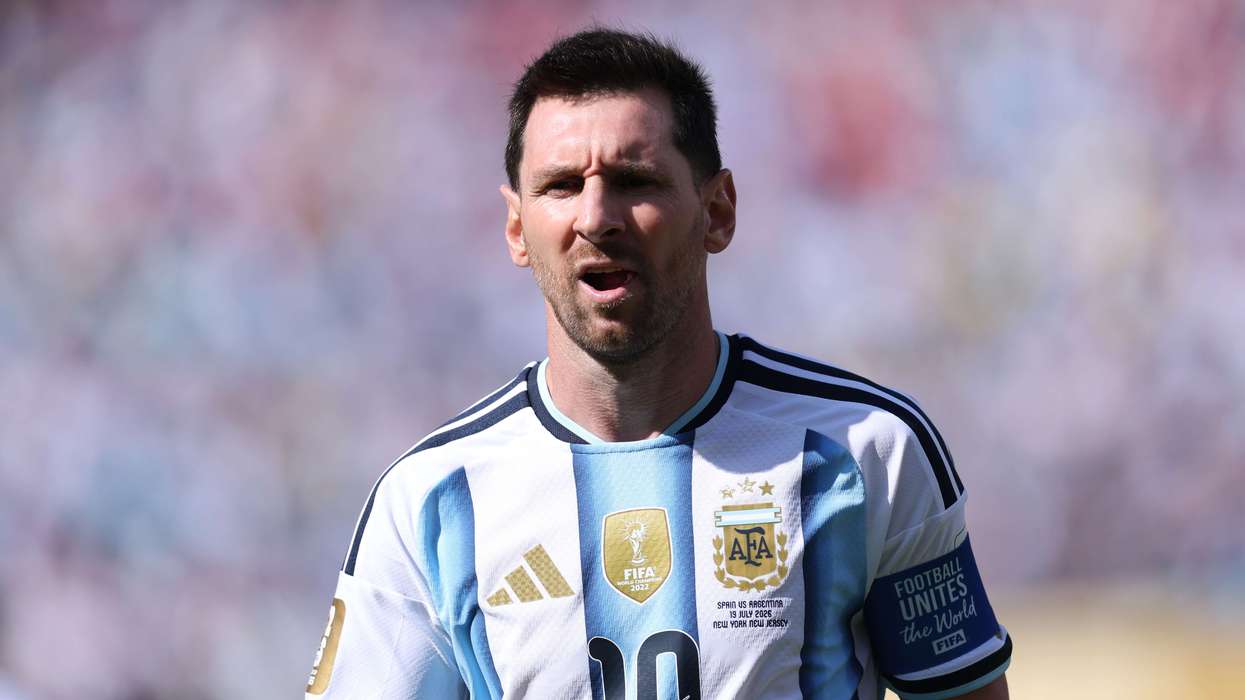
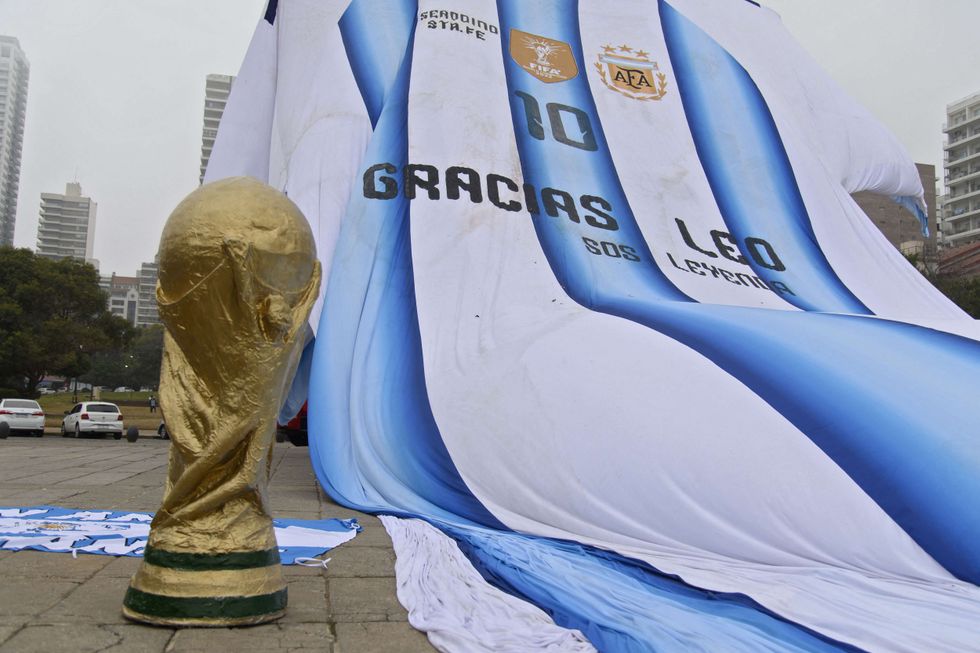 A replica of the FIFA World Cup trophy is seen next to a giant Argentina jersey bearing Lionel Messi's number 10 in front of the National Flag Memorial in Rosario, Santa Fe province, Argentina, on July 18, 2026, ahead of the 2026 FIFA World Cup final.Getty
 Messi kisses the FIFA World Cup Trophy during the trophy ceremony after Argentina won the Qatar 2022 World Cup final agaijst France on December 18, 2022.Getty
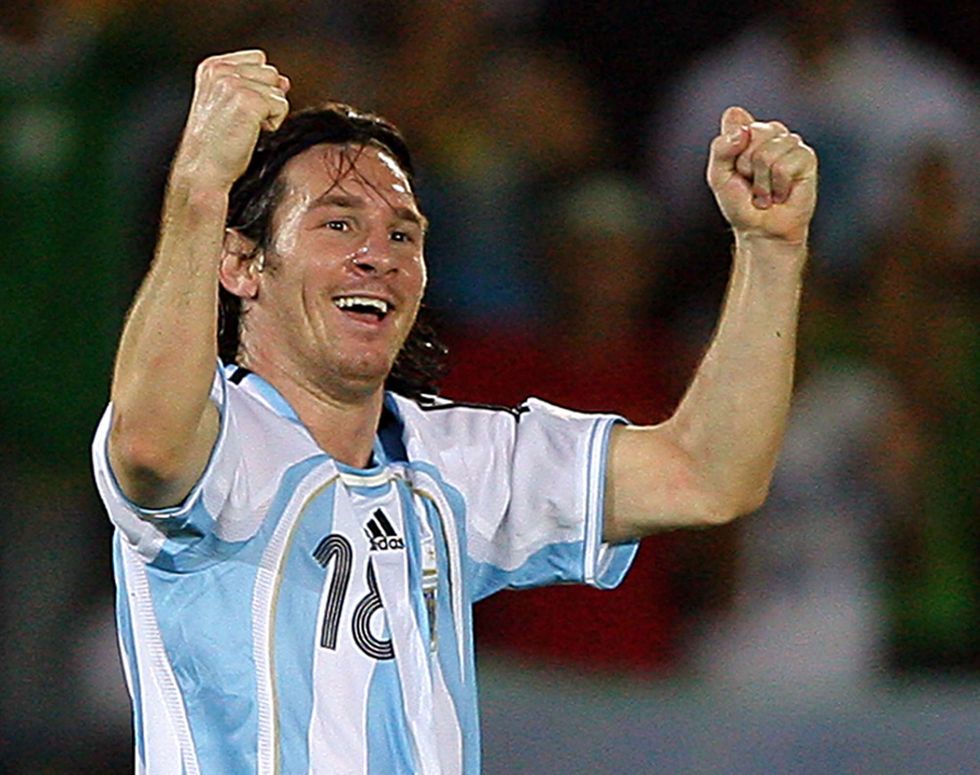 Messi celebrates after scoring the second goal of his team against Mexico during their Copa America 2007 Semifinal match 11 July 2007 in Puerto Ordaz, Venezuela. Getty