
Highlights
- Yusuf says former Tory defectors, including Braverman and Jenrick, will have no say on Reform's immigration policy
- He says he alone would lead Reform's planned mass deportation programme
- Labour says Reform does not trust two-thirds of its own MPs on borders
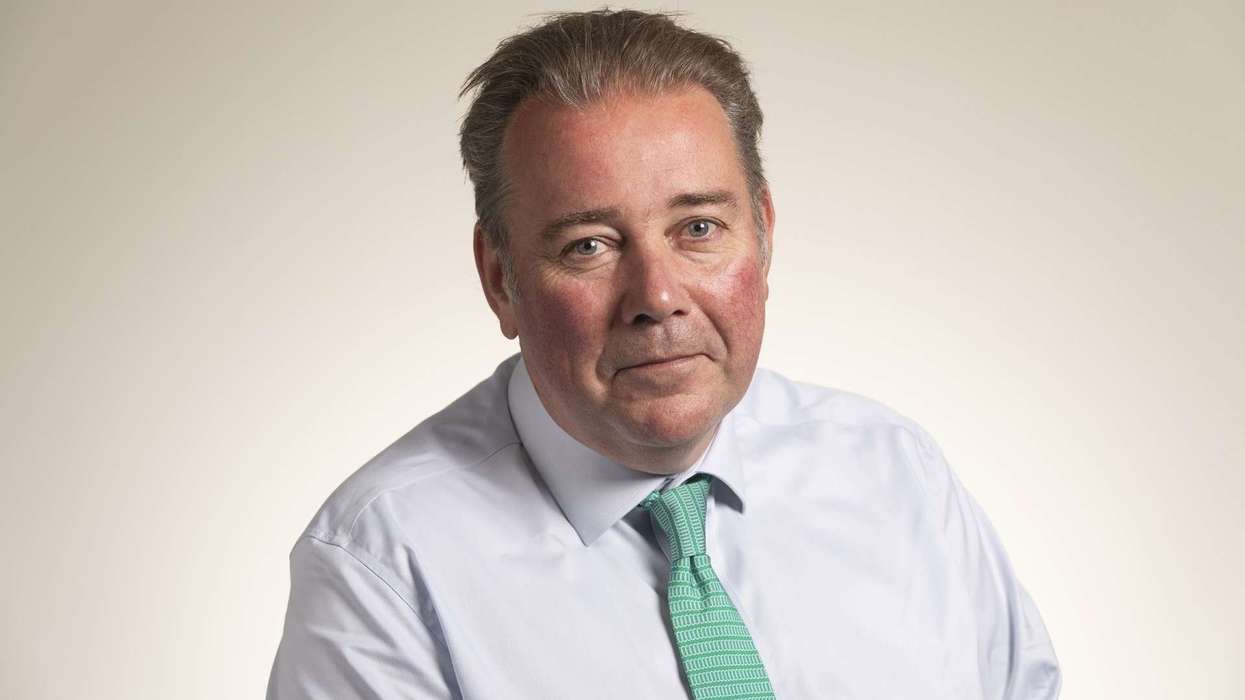
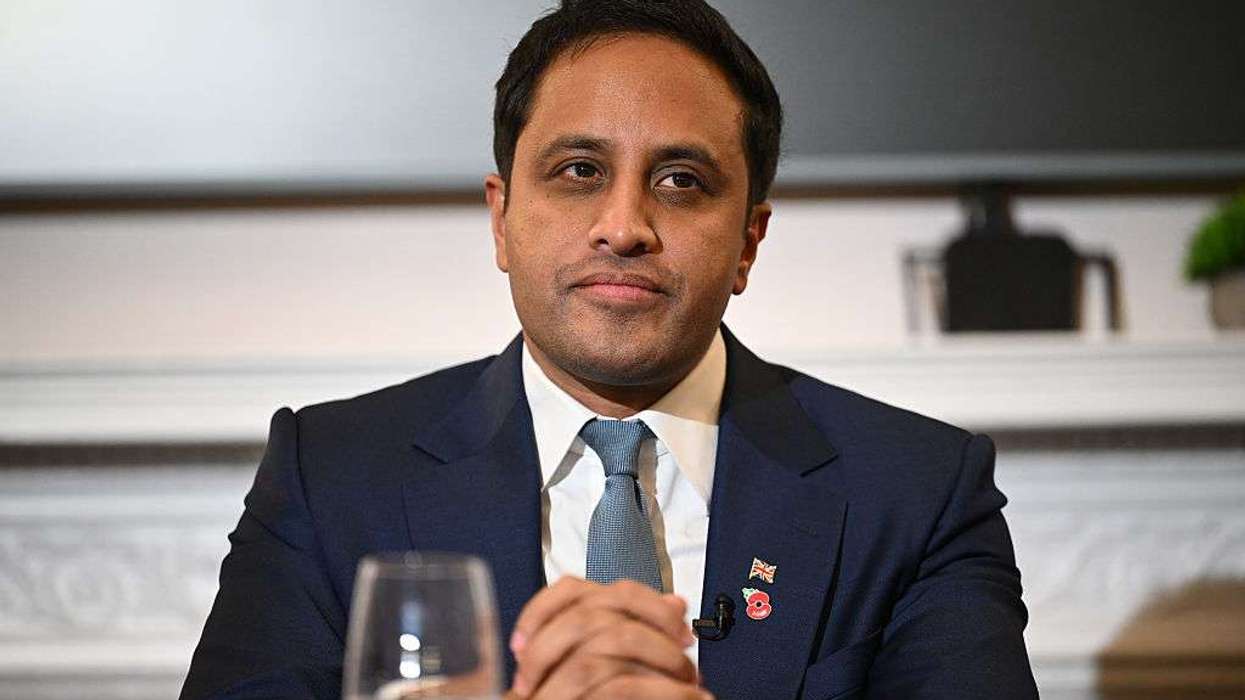
ZIA YUSUF has said that former Tory ministers who defected to Reform UK will have no say over the party's immigration policy, publicly sidelining Suella Braverman and Robert Jenrick on the issue that defines Reform.
Speaking to Michael Gove on The Spectator's Quite Right podcast, Yusuf, Reform's home affairs spokesman, said none of the former Tories would be involved in immigration or borders policy. "There's a reason why Nigel's given me this brief and not them," he said.
He added that under a Reform government led by Nigel Farage, he would be primarily responsible for "stopping the boats" and "the biggest mass deportation programme this country has ever seen".
The remarks put two of Britain's most prominent politicians of south Asian heritage on opposite sides of a widening rift. Yusuf is the son of Sri Lankan Muslim immigrants. Braverman, now Reform's education spokesperson, is of Indian descent.
Why it matters
The exclusion covers most of Reform's MPs. The Guardian reported that it in effect shuts out the majority of the party's parliamentary group, many of whom are former Tories.
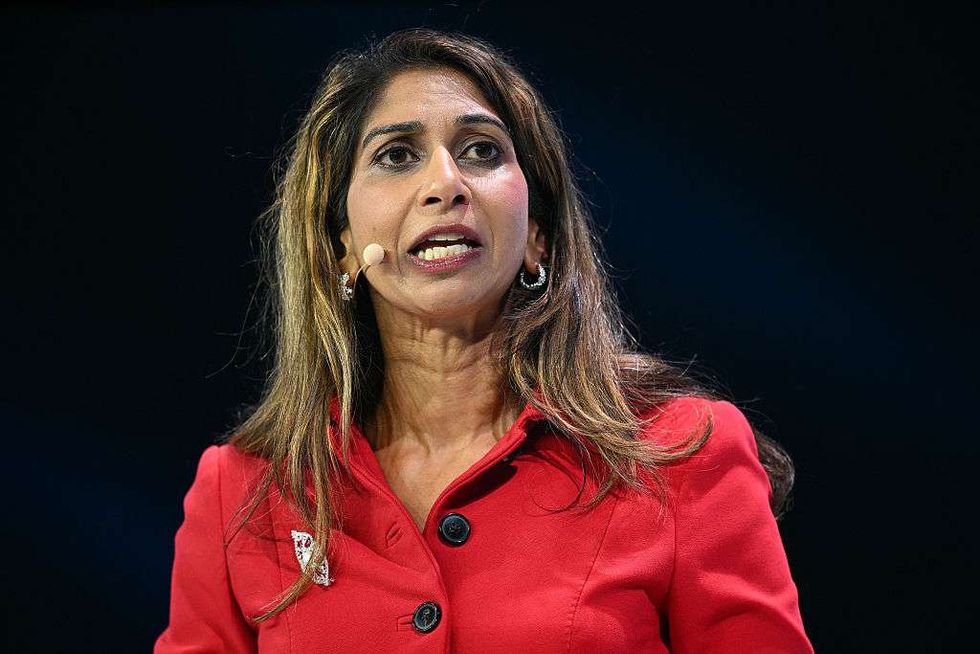 Suella Braverman (Photo by Oli SCARFF / AFP via Getty Images)
It is now unclear who would control the policy area that matters most to many British Asian families, including those with relatives on work or student visas, in the asylum system or waiting for settlement. Yusuf did not say in the interview who a deportation programme on that scale would apply to.
Gove had pressed Yusuf on how Reform could bring numbers down when so many of its MPs, including former immigration minister Jenrick, had failed to do so in government.
Yusuf said Jenrick and Braverman had either been sacked or resigned "over immigration policy or issues around culture", and acknowledged that each had supporters. Yusuf himself was a lifelong Conservative until 2024.
A rift that keeps widening
This is not the first public clash between the two camps. Earlier this year, Yusuf publicly contradicted Jenrick on deportation policy, saying Jenrick's comments on foreign nationals in social housing were "not Reform policy".
In October, Yusuf said he disagreed with Braverman's claim that people from ethnic minority backgrounds can be British but not English.
He has also repeatedly attacked former Tory ministers over immigration. In August he said people with "Right Honourable" in their titles were among the most dishonourable in the country.
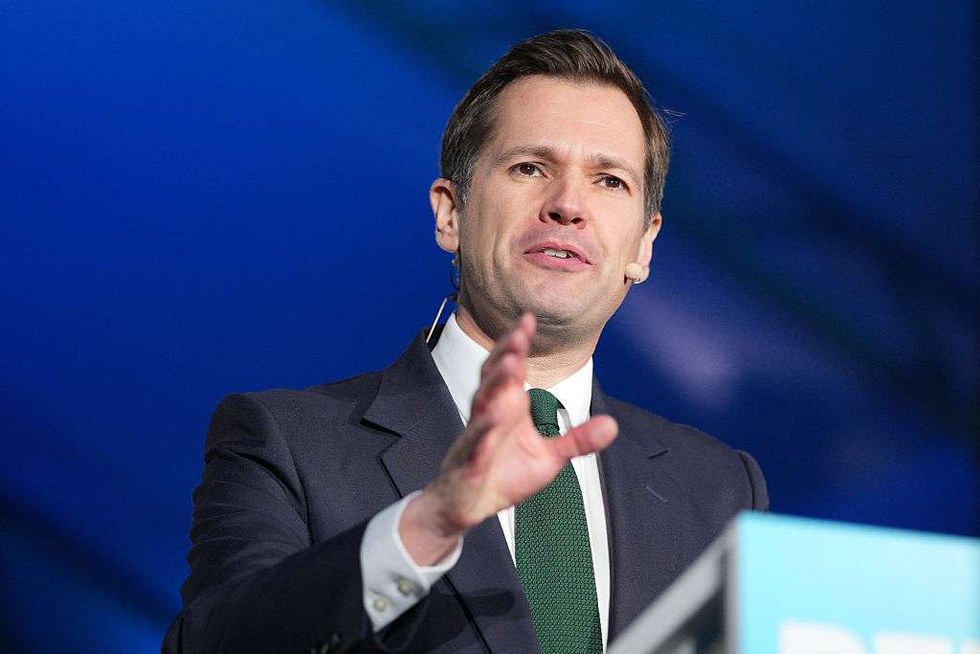 Reform UK shadow chancellor, Robert Jenrick, speaks on stage at a Reform UK rally at Grand Station on November 12, 2026 in Wolverhampton, United Kingdom. (Photo by Christopher Furlong/Getty Images)
In September he criticised ministers who promised to cut immigration and then let it rise. Last month he attacked ministers who brought in Afghan immigrants, a group that includes Jenrick, who praised the Afghan resettlement programme in 2021.
Yet the former Tories' influence on immigration has not gone away. Jenrick, now Reform's economics spokesperson, announced plans in June for a levy on migrant labour. His former spokesperson, Tom Milford, is Reform's head of press. Jenrick is often named alongside Yusuf and Richard Tice as a possible successor to Farage.
Reform has yet to set out in detail who would be removed under its deportation plans.
Labour said Yusuf had admitted most Reform MPs could not be trusted on migration. Anna Turley, minister of state for border security and asylum, said Reform did not trust "two-thirds of their MPs" on immigration but expected the country to trust it with Britain's borders.
Farage has often had to deny that Reform has become "the Conservative party 2.0". In January he said the party would accept no more defectors after the May 7 local elections.
The numbers behind the pledge
Official UK figures show about 23,500 people arrived by small boat between January and November 13, a fall of nearly 40 per cent on the same period last year.
At the same time, routes are shifting. Belgian authorities intercepted 570 people trying to set off for Britain from their coast between January and October, compared with 102 a year earlier, according to West Flanders governor Jurgen Vanlerberghe. At least 25 people have died this year crossing from the French coast, according to an AFP tally.
British and EU leaders met in Brussels this week and agreed to start a structured dialogue on irregular migration and smuggling networks.