
Skip to content
Search

Latest Stories

Submit Guest Post

UK starts surge testing in Harrow and Southwark for South African Covid variant

UK starts surge testing in Harrow and Southwark for South African Covid variant

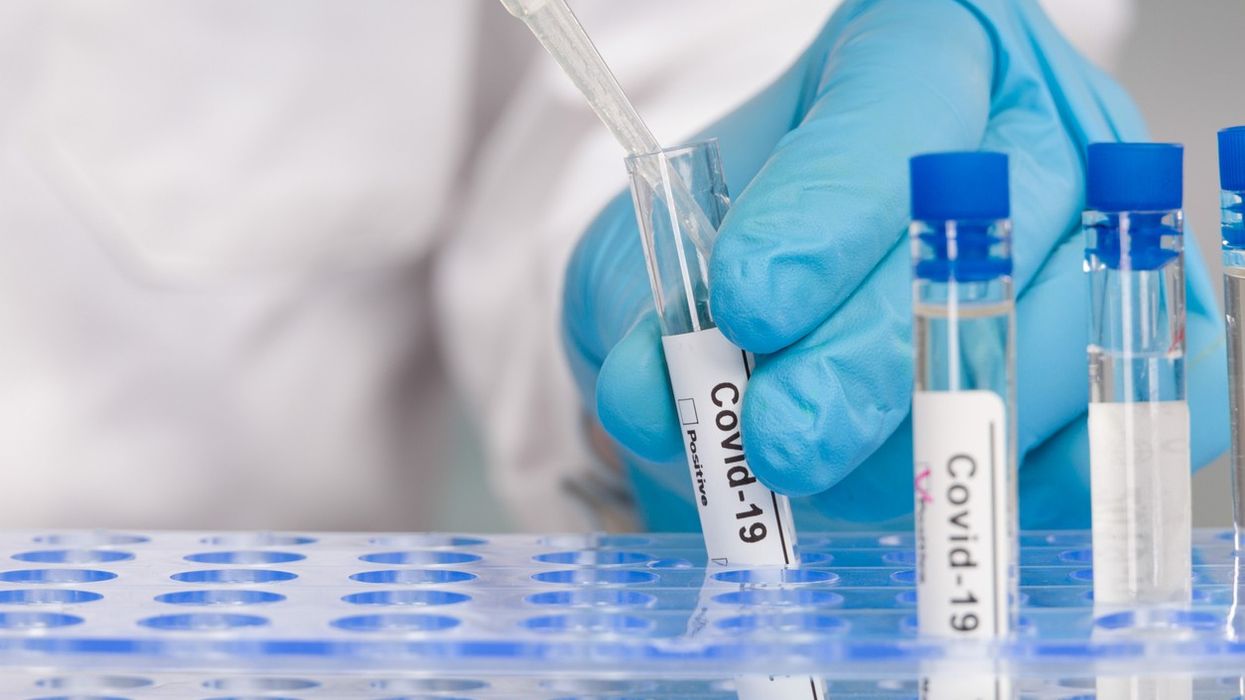
THE UK has started additional testing and genomic sequencing of highly targeted area within Southwark and in parts of Harrow, where the Covid-19 variant first identified in South Africa has been found, in partnership with the local authority, a statement said.

The increased testing, in combination with the current lockdown rules and Hands Face Space advice, will help to monitor and suppress the spread of the virus, it added.


Positive cases will be sequenced for genomic data to help increase the understanding of Covid-19 variants and their spread within these areas.

According to the statement, enhanced contact tracing, where contact tracers look back over an extended period to determine the route of transmission, will be used for individuals testing positive with a variant of concern.

Officials have urged people living within the targeted areas to take a Covid-19 test when offered, whether they are showing symptoms or not.

People with symptoms should book a free test online or by phone so they can get tested at a testing site or have a testing kit sent to them at home, the statement added.

Those without symptoms should visit the local authority website for more information.

Add EasternEye As Your Trusted Source
preferred source on google news

More For You

PCOS

PCOS must be recognised as a chronic condition

iStock

Why PCOS poses a greater long-term health risk for South Asian women

Dr Kalpana Purshottamdas Lakhani

PCOS is often dismissed as a reproductive issue, but for south Asian women the consequences reach far beyond the ovary — affecting metabolic health, fertility, and lifelong wellbeing.

Polycystic ovary syndrome (PCOS) is one of the most common hormonal conditions in women, affecting an estimated 8–13% worldwide. But for south Asian women, the impact is even greater — and far less recognised. Research shows that south Asian women have higher insulin resistance, develop type 2 diabetes five to ten years earlier than white European women, and experience more severe metabolic features when they have PCOS. They also face higher rates of gestational diabetes and earlier cardiovascular risk. These differences make the long-term consequences of PCOS particularly significant in this community.

Keep ReadingShow less