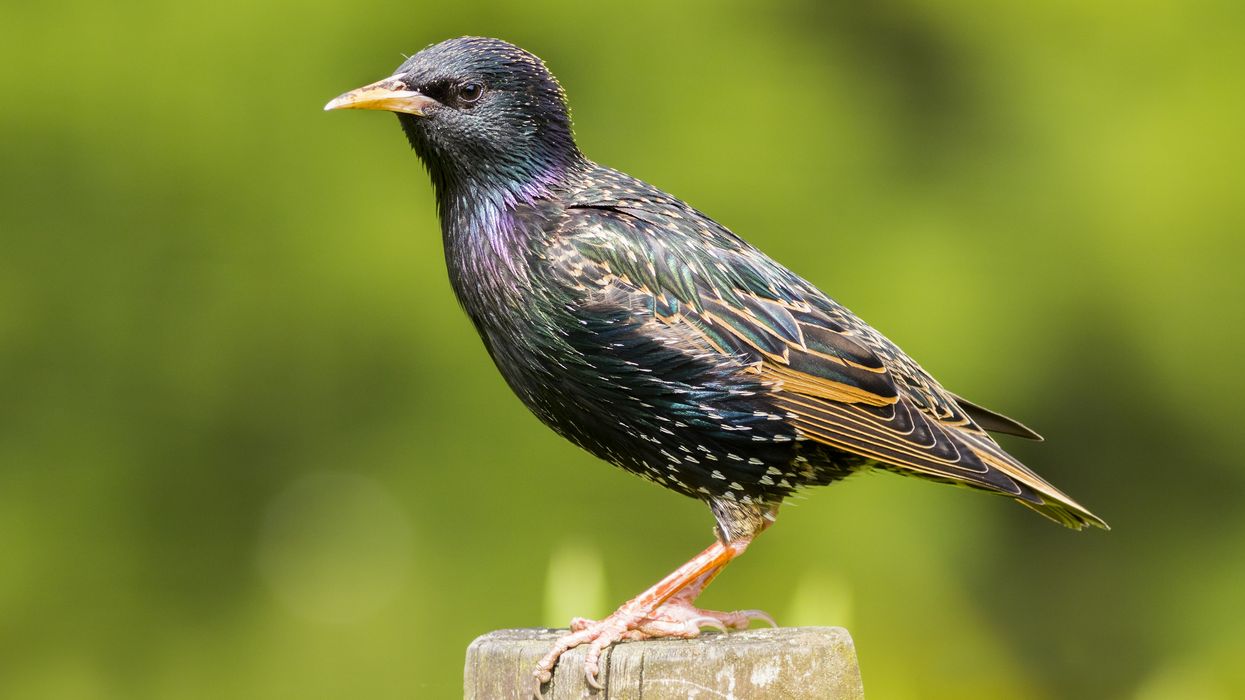

Fewer starlings are visiting gardens across the UK, according to the conservation charity, the RSPB.
The charity’s Big Garden Birdwatch, held over the last weekend of January, recorded the lowest number of starlings since the survey began in 1979.
Although starlings are still common garden visitors, they have been among the fastest declining bird species in the UK since the 1960s. They are also known for their striking winter murmurations, where thousands of birds fly together in coordinated patterns.
RSPB Chief Executive, Beccy Speight, said that while the results are concerning, individuals can take simple steps to support starlings and other garden wildlife, such as avoiding the use of pesticides and providing nest boxes.
Speight also emphasised the need for wider action: “While our homes and gardens often provide the perfect place for individual people to help, we also urgently need governments and businesses to join us in the wider fight to restore our natural world.”
Almost 600,000 people took part in this year’s Big Garden Birdwatch, counting more than nine million birds in gardens and parks across the UK during a one-hour period.
Historically, starlings were the most commonly recorded species in the survey until the year 2000. This year, they fell from third to fourth place, behind the house sparrow, blue tit and wood pigeon. The blackbird remained in fifth place.
The survey provides a useful snapshot of garden bird trends, with the decline in starlings reflecting findings from long-term studies. Starlings are now red-listed in the UK, meaning they are considered a species of high conservation concern.
Between 1970 and 2022, the UK breeding population of starlings declined by 82%. Although the exact causes are unclear, it is thought that the loss of grassland and insect food due to intensive farming, along with modern housing reducing nesting sites, could be contributing factors.