
Quick highlights:
• Prada confirms Indian roots behind 2026 ‘leather sandals’ after controversy
• Indian artisans and officials accused the brand of cultural appropriation
• The footwear resembles traditional Kolhapuri chappals with GI status
• Prada says designs are still in development and open to dialogue with India
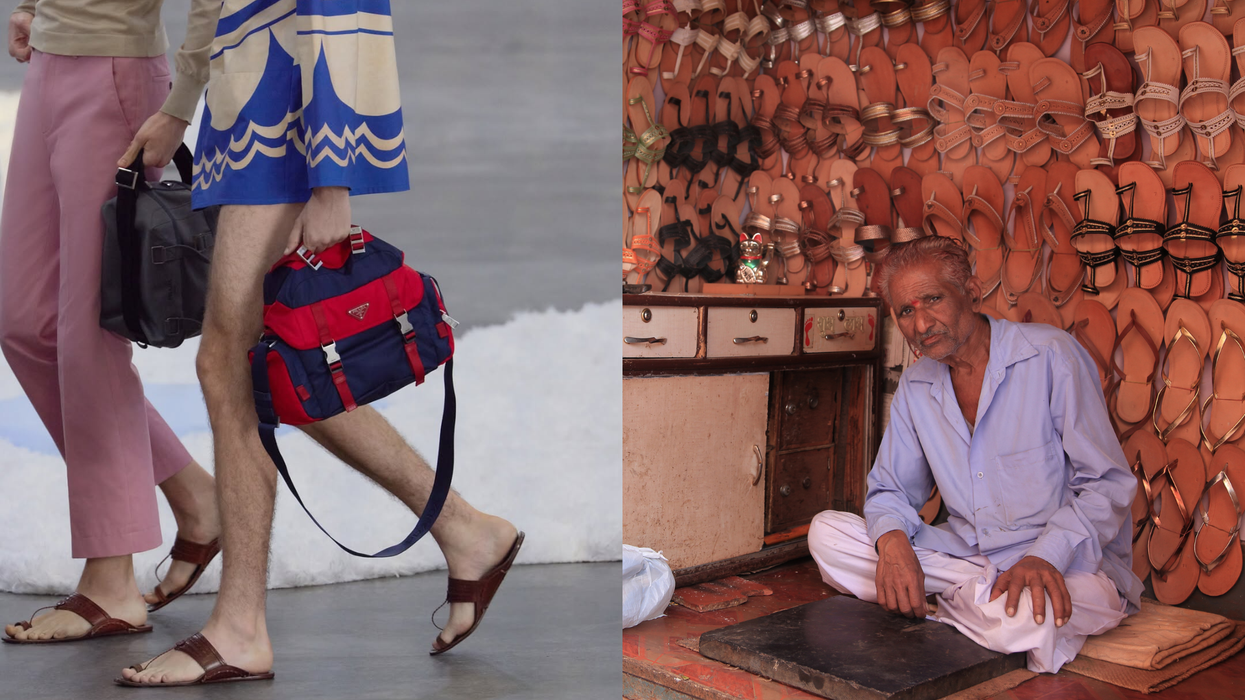
Italian fashion label Prada has officially acknowledged that its Spring/Summer 2026 menswear collection includes footwear inspired by India’s traditional Kolhapuri chappals. The statement came after mounting criticism from Indian artisans and industry leaders, who claimed the brand showcased the design at Milan Fashion Week without recognising its origins.
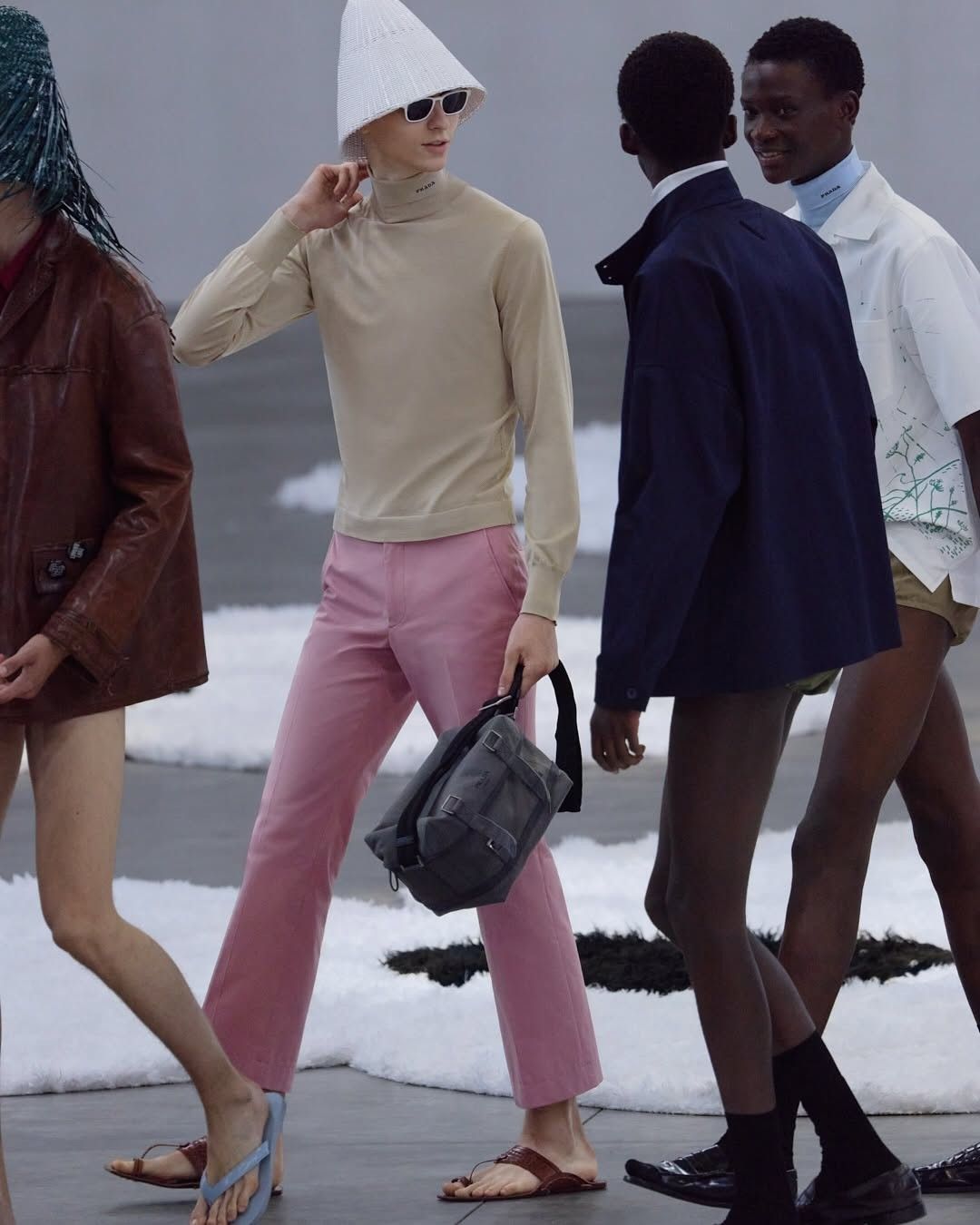 Prada confirms Kolhapuri chappals inspired its 2026 Milan collectionInstagram/prada
Prada responds to Kolhapuri chappal row
In a letter addressed to Lalit Gandhi, President of the Maharashtra Chamber of Commerce, Industry and Agriculture (MACCIA), Prada’s CSR head Lorenzo Bertelli confirmed the sandals were influenced by Indian craftsmanship. The fashion house admitted that the open-toe leather sandals presented on the Milan runway drew from the centuries-old Kolhapuri style, traditionally made by artisans in Maharashtra and Karnataka.
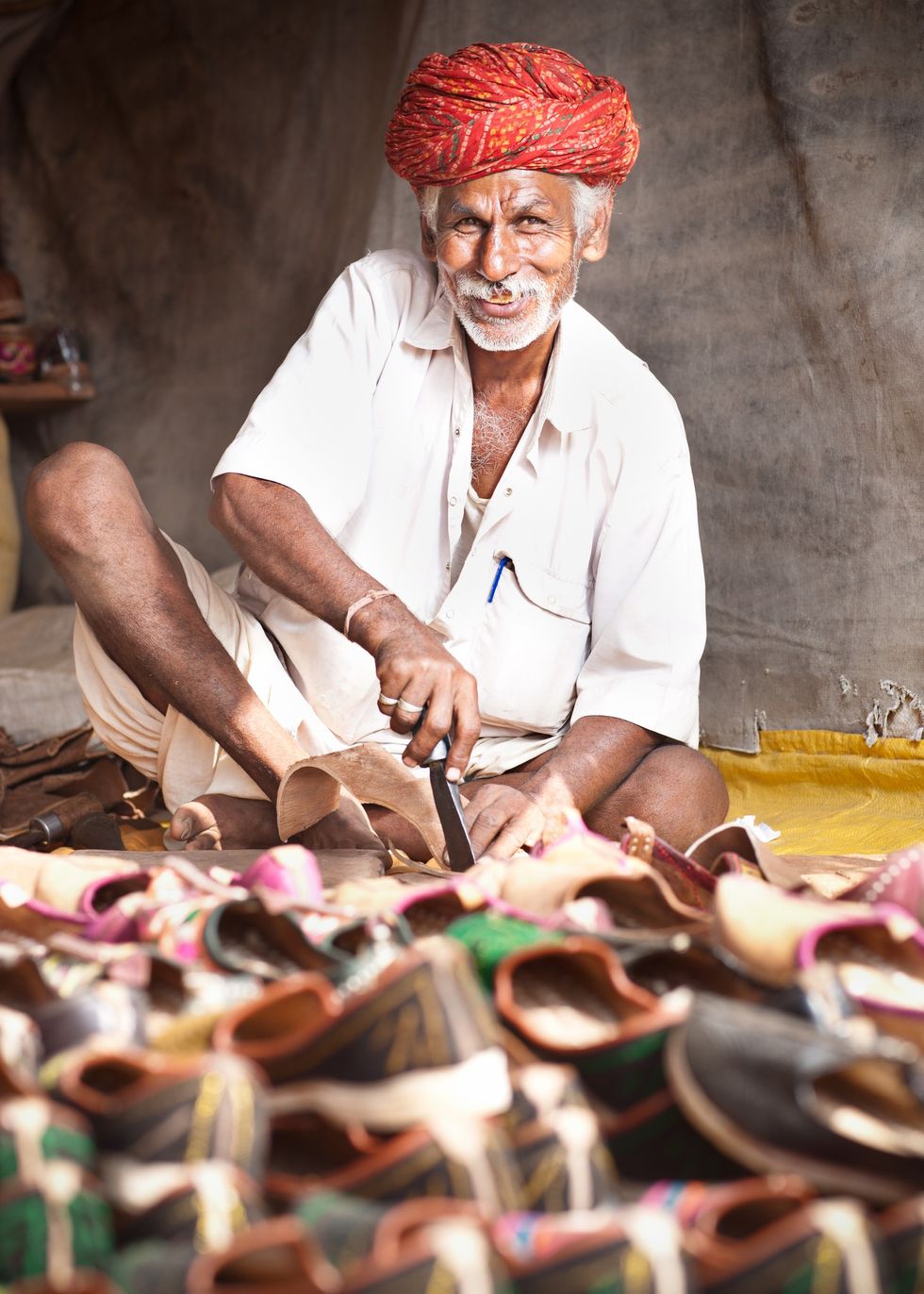 Kolhapuri chappals have been crafted for centuries and received GI tag in 2019 iStock
The controversy erupted after Prada described the footwear simply as “leather sandals” in its show notes, omitting any reference to India. This led to accusations of cultural appropriation and disregard for artisans' rights. BJP MP Dhananjay Mahadik also led a group of Kolhapuri chappal makers to meet Maharashtra Chief Minister Devendra Fadnavis, urging government action to protect their Geographical Indication (GI) status.
No production yet, says Prada, as India seeks fair credit
Prada clarified that the sandals shown were part of an early-stage design process and have not been confirmed for mass production. “None of the pieces are finalised or approved for commercial use,” Bertelli wrote.
MACCIA, in its communication, called for proper acknowledgement and possible collaboration or compensation for Indian artisans. The organisation stressed that Kolhapuri chappals are not just heritage products but also vital to the livelihoods of thousands of families.
In response, Bertelli assured Prada’s commitment to ethical design, cultural respect, and further engagement with Indian artisan communities. He also welcomed the opportunity for open dialogue on potential partnerships.
The Kolhapuri chappal, awarded GI status in 2019, is a symbol of regional identity and craftsmanship. As global fashion continues to borrow from traditional cultures, this case may set the tone for how brands address ownership, recognition, and respect.




 Palvin also spoke to Entertainment Tonight about the changes Getty Images
 Her comments offer a glimpse into her personal experienceGetty Images
 Palvin’s return was made more remarkable by a detail shared by SprouseGetty Images
 Palvin first walked in the Victoria’s Secret Fashion Show in 2012Getty Images