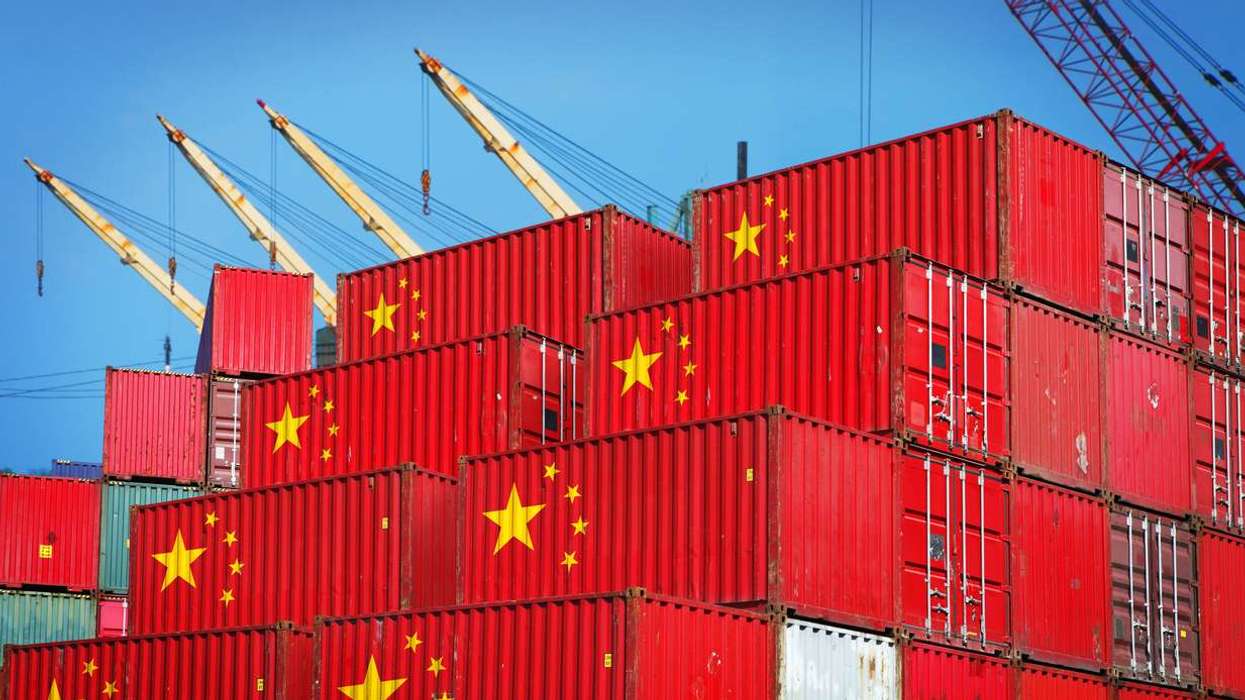

- A year-long disruption to Chinese supplies could hit 90,000 UK jobs.
- More than 580,000 electric vehicles may not be produced.
- Clean energy delays could add £1.5 billion a year to UK energy costs.
The UK’s heavy reliance on China for critical industrial components could put as many as 90,000 jobs at risk if supply chains were disrupted for a year, according to new analysis by the Institute for Public Policy Research.
The report suggests that the auto and battery sectors would be among the hardest hit if imports of battery components from China were interrupted. It estimates that such a disruption could also wipe out production of more than 580,000 electric vehicles over a 12-month period, raising concerns about the pace of the UK’s shift to cleaner transport.
The analysis places particular emphasis on the UK’s dependence on China, noting that the country controls around 80 to 90 per cent of global refining capacity for critical minerals used in batteries, solar panels and other clean energy technologies.
Heavy dependence
According to the think tank, relying so heavily on a single country leaves the UK more exposed to geopolitical tensions, trade disputes and wider global shocks. Disruptions to batteries, solar panels, steel and key minerals could slow clean energy deployment and weaken industries that support regional economies, it said.
Recent events have shown how fragile global supply chains can be. The Covid pandemic disrupted manufacturing worldwide, while the Russia–Ukraine war added further instability and drove up energy prices.
“Trump’s trade war with China, the rise of conflicts around the world – these shocks ultimately hurt the UK economy because we rely so much on trade to source the essentials, including clean energy technologies,” Pranesh Narayanan, senior research fellow at IPPR, reportedly said.
The report also warned of wider economic costs. Delays to solar rollout and continued reliance on gas could add around £1.5 billion a year to the UK’s energy bill unless steps are taken to secure cleaner and more resilient supply chains.
While the analysis does not suggest an immediate break in supplies, it underlines how the UK’s clean energy ambitions and industrial jobs remain closely tied to developments in China — a dependence that could become increasingly risky in a more fragmented global economy.