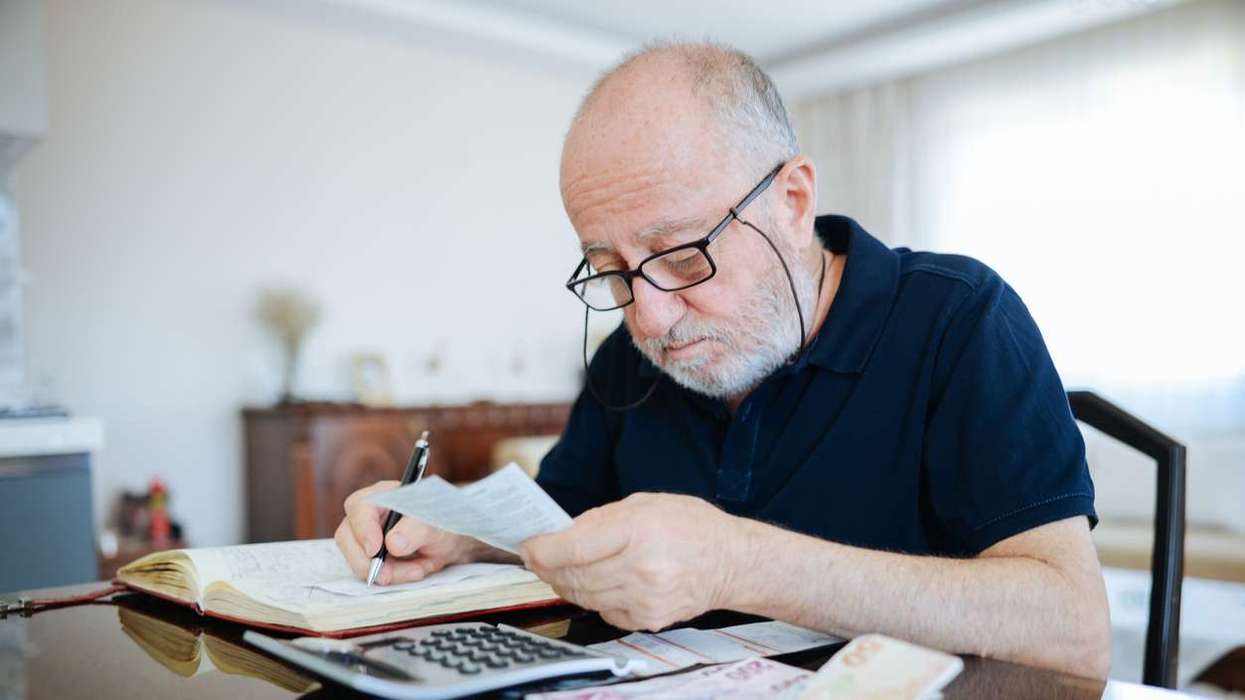

- The first public pensions dashboard is expected to launch in summer 2027, after being delayed from its original 2019 target.
- More than 2,400 pension schemes and providers are connected to the system, covering over 75 million records.
- Experts say savers will need clear guidance to understand their pension information and decide what to do next.
Millions of people across Britain could soon find it easier to track their retirement savings, after the government confirmed that its long-delayed pensions dashboard is expected to become publicly available in summer 2027.
Pensions minister Torsten Bell announced the expected launch window on Thursday (19), more than a decade after the project was first proposed. The MoneyHelper Pensions Dashboard will allow people to view information about their pensions from different providers through a single online service.
The system is intended to bring together details of workplace and personal pensions, alongside State Pension information, giving savers a clearer picture of their retirement finances.
“Being able to see your pensions in one place will give millions of savers something too many have missed out on for too long: a clear picture of their finances that helps them plan ahead with confidence,” Bell said.
The announcement marks a significant milestone for a project that has faced repeated delays and rising costs. More than 2,400 pension schemes and providers have now connected to the dashboard infrastructure, covering over 75 million records, in addition to millions of State Pension records.
The connection deadline for pension schemes and providers passed on October 31, 2026. The government has also committed to giving the industry at least six months' notice of the dashboard's public launch date.
Why has the pensions dashboard taken so long?
Plans for a central pensions dashboard were first announced in 2016 by then chancellor George Osborne, with the service originally expected to be available in 2019.
The project proved more complicated than initially anticipated, as pension information had to be brought together from thousands of different schemes and providers using systems that were not always compatible.
A 2024 report by the National Audit Office (NAO) identified a shortage of digital skills, weaknesses in programme governance and problems with delivery as contributing factors behind the delays.
The estimated cost of the programme increased from £235m in 2020 to £289m in 2023, a rise of 23 per cent. The NAO also estimated that around 16.3 million people could eventually use pensions dashboards.
Sir Steve Webb, who served as pensions minister between 2010 and 2015 and is now a partner at consultancy LCP, said the early planning had underestimated the scale of the task.
He said the first discussions about the project had been “quite naive in terms of understanding the scale of what was involved”, pointing to the challenge of consolidating information held by different pension providers.
The government has prioritised the MoneyHelper dashboard, developed by the Money and Pensions Service (MaPS), as the first public service. Private-sector providers are also expected to develop their own dashboards, connected to the same underlying digital infrastructure.
Will seeing all your pensions in one place change retirement planning?
For people who have moved between employers, changed pension providers or accumulated several small pots over their working lives, the dashboard could make it easier to identify where their retirement savings are held.
It is also expected to help people locate pension pots they may have lost track of, particularly those linked to previous jobs.
Industry figures have welcomed the development, describing it as a potentially important change for savers who currently have to contact different providers to understand their overall retirement position.
“This will be a game-changer for pension savers,” said Rachel Vahey, head of public policy at investment platform AJ Bell.
She said the service could remove the need to search through paperwork or remember several different passwords to get an overview of pension savings.
However, experts caution that access to information is only the first step. Knowing where a pension is held and how much it is worth does not automatically tell someone whether they are saving enough or how to make better retirement decisions.
David Brooks, head of policy at pensions consultancy Broadstone, said the success of the dashboard would ultimately depend on whether people could understand the information and take appropriate follow-up action.
There could also be growing competition among pension providers and investment platforms to attract savers whose accumulated pots become easier to identify.
Webb warned that companies managing pension assets could see the dashboard as an opportunity to become the main destination for people's retirement savings. He said consumers would face significant advertising and would need to distinguish reliable providers from others.
The launch therefore represents more than a technological upgrade. It could change how people engage with retirement savings, while creating new questions about financial guidance, provider competition and consumer protection.
For now, the focus remains on ensuring the system is ready for public use. After years of delays, the summer 2027 target gives the project a clearer direction, but its real test will be whether people can use the information to make more confident decisions about their financial future.





 India’s high commissioner to the UK, Periasamy Kumaran, addresses the gatheringFCDO
 Participants during the eventFCDO