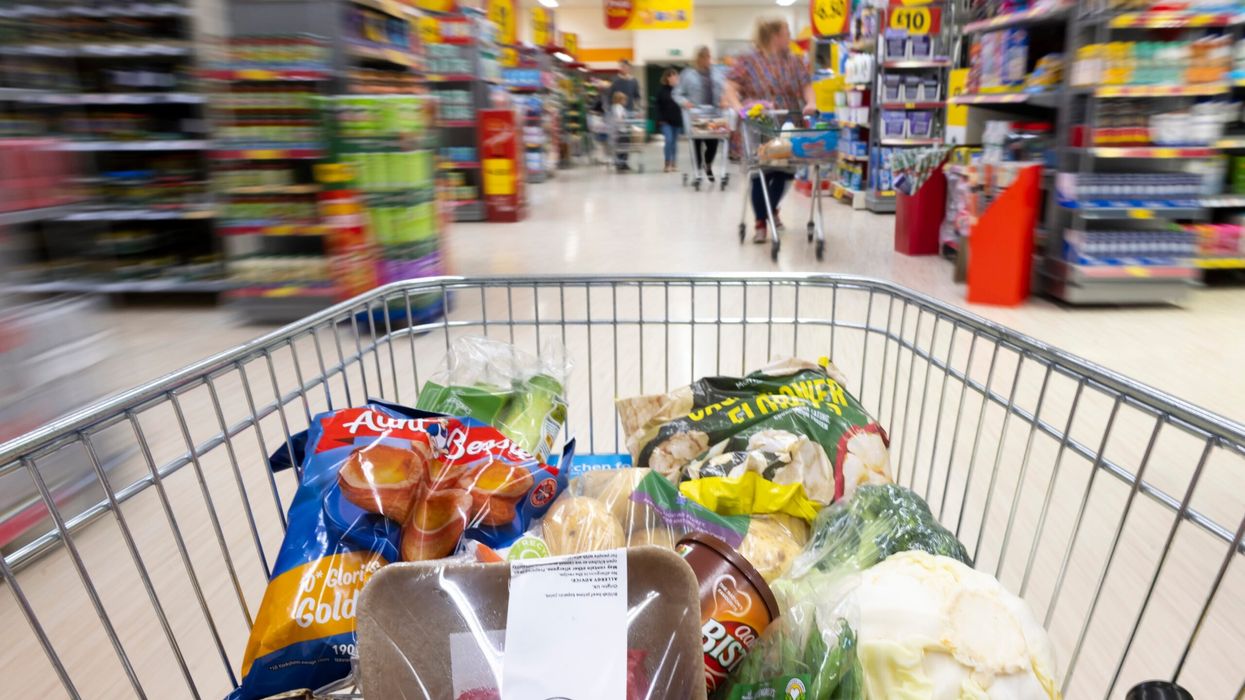

UK INFLATION slowed more than expected in February, offering temporary relief to consumers ahead of a likely rise in prices.
The decline also comes just before chancellor Rachel Reeves is set to deliver her budget update speech on Wednesday.
Consumer prices increased by 2.8 per cent in annual terms in February, down from 3.0 per cent in January, according to the Office for National Statistics (ONS).
Economists polled by Reuters had predicted a reading of 2.9 per cent for February, while the Bank of England (BoE) had forecast 2.8 per cent in its projections released earlier in the month.
ALSO READ: Survey shows more Britons cutting back on everyday expenses
However, economists warned that inflation is likely to rise again due to increasing energy costs.
"February's slowdown is a false dawn as notable near-term price rises are already baked in, with next month's jump in energy bills and national insurance likely to push inflation perilously close to 4 per cent sooner rather than later," Suren Thiru, Economics Director at accountancy body ICAEW, said.
He added that the BoE would remain cautious about inflationary pressures.
"While a May policy loosening remains on the table, rate setters will want to gauge the effect of April’s major jump in business costs and any measures announced in the Spring Statement before proceeding with another rate cut," Thiru said.
Luke Bartholomew, deputy chief economist at investment firm Aberdeen, said the latest data was unlikely to alter the broader inflation outlook.
"This report does not fundamentally change the outlook for inflation, but it should keep the path clear for another interest rate cut in May," he said.
The BoE expects inflation to peak at 3.75 per cent in the third quarter of the year, nearly double its 2 per cent target. The rise is expected to be driven by higher energy costs and regulated tariffs affecting household utility bills and bus fares.
At 07:38 GMT, sterling was down by more than a third of a cent.
The ONS said services inflation, closely watched by the BoE, remained at 5.0 per cent on an annual basis, while economists had expected a drop to 4.9 per cent. The central bank had projected it would rise to 5.1 per cent.
Clothing and footwear had the biggest downward impact on inflation, with prices in the category showing an annual decline for the first time since October 2021, the ONS said.
(With inputs from agencies)