
Skip to content
Search

Latest Stories

Submit Guest Post

Survey shows more Britons cutting back on everyday expenses

The survey, conducted among 3,000 UK consumers, found that 58 per cent believed the economy was worsening in the three months to February, up 15 percentage points from the previous quarter.

 Survey Reveals More Britons Reducing Everyday Spending

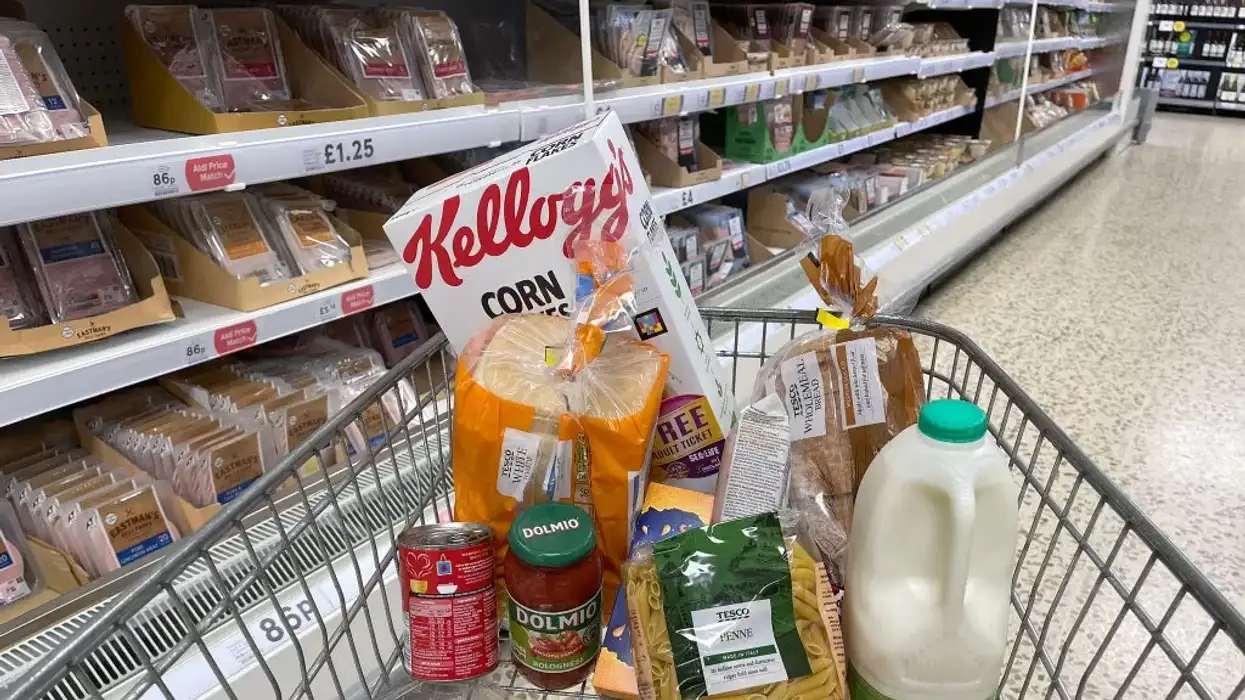
About 43 per cent of consumers said they were cutting back on everyday purchases, while more than a third reported increasing their savings as a precaution. (Photo: Getty Images)

Getty Images

CONSUMERS in the UK are reducing spending on everyday items as confidence in the economy declines ahead of chancellor Rachel Reeves’s spring statement, according to a KPMG survey.

The survey, conducted among 3,000 UK consumers, found that 58 per cent believed the economy was worsening in the three months to February, up 15 percentage points from the previous quarter, The Guardian reported.


Despite most respondents feeling financially secure, concerns about the economy led to spending adjustments.

About 43 per cent of consumers said they were cutting back on everyday purchases, while more than a third reported increasing their savings as a precaution. Additionally, 29 per cent said they were postponing major purchases.

The UK economy has stagnated over the past six months, with a decline in business and consumer confidence.

Official data showed a 0.1 per cent contraction in January. The Office for Budget Responsibility is expected to lower its 2025 growth forecast in its upcoming report, The Guardian reported.

The survey also showed an increase in financial insecurity, rising from 21 per cent to 24 per cent.

Within that, 15 per cent of respondents said they were reducing discretionary spending to afford essentials, while 2 per cent reported taking on debt to cover bills.

Linda Ellett, head of consumer, retail and leisure at KPMG UK, said concerns about the economy were leading some households to reduce spending despite being financially stable.

She said: “Some may be taking this action as they prepare for higher costs, such as a new mortgage deal or the higher cost of travel. But other cautious consumers are certainly preparing for the potential impact on them from what they believe to be a worsening economy.

“This week’s spring statement needs to give people the confidence in the longer-term UK economic outlook.”


Add EasternEye As Your Trusted Source
preferred source on google news

More For You

asian-restaurant-raided

Falling prices for fresh produce and dairy brought modest relief to hospitality businesses in May

Getty Images/iStockphoto

Why restaurants are finally paying less for some everyday ingredients

  • UK hospitality food and drink prices fell 0.1 per cent in May, ending April's inflationary uptick.
  • Lower prices for vegetables, dairy and cooking oils helped ease overall costs for restaurants and cafés.
  • Coffee, fish, chocolate and soft drinks continued to face inflationary pressure driven by global supply challenges.

UK hospitality food prices edged lower in May, giving restaurants, cafés and pubs a small break after costs rose the previous month. However, industry experts say businesses should not assume the pressure is over, with several key ingredients still becoming more expensive because of global supply and weather-related risks.

According to the latest Foodservice Price Index published by NIQ and Prestige Purchasing, food and drink prices across the hospitality sector fell by 0.1 per cent compared with April. The slight decline suggests supply chains have remained resilient despite continued uncertainty in global commodity markets.

Keep ReadingShow less