
THE UK economy contracted unexpectedly in May, marking the second consecutive monthly decline, according to official data released on Friday. The figures present a challenge for the Labour government as it attempts to revive economic growth.
Gross domestic product fell by 0.1 per cent in May, following a 0.3 per cent contraction in April, the Office for National Statistics (ONS) said in a statement.
Economists had forecast a 0.1 per cent increase in GDP.
The data comes at a time when prime minister Keir Starmer's government is dealing with global challenges, including US tariffs and persistent inflation.
The Labour government’s fiscal strategy relies heavily on economic growth, particularly after recent reversals on welfare cuts and winter fuel payments for pensioners.
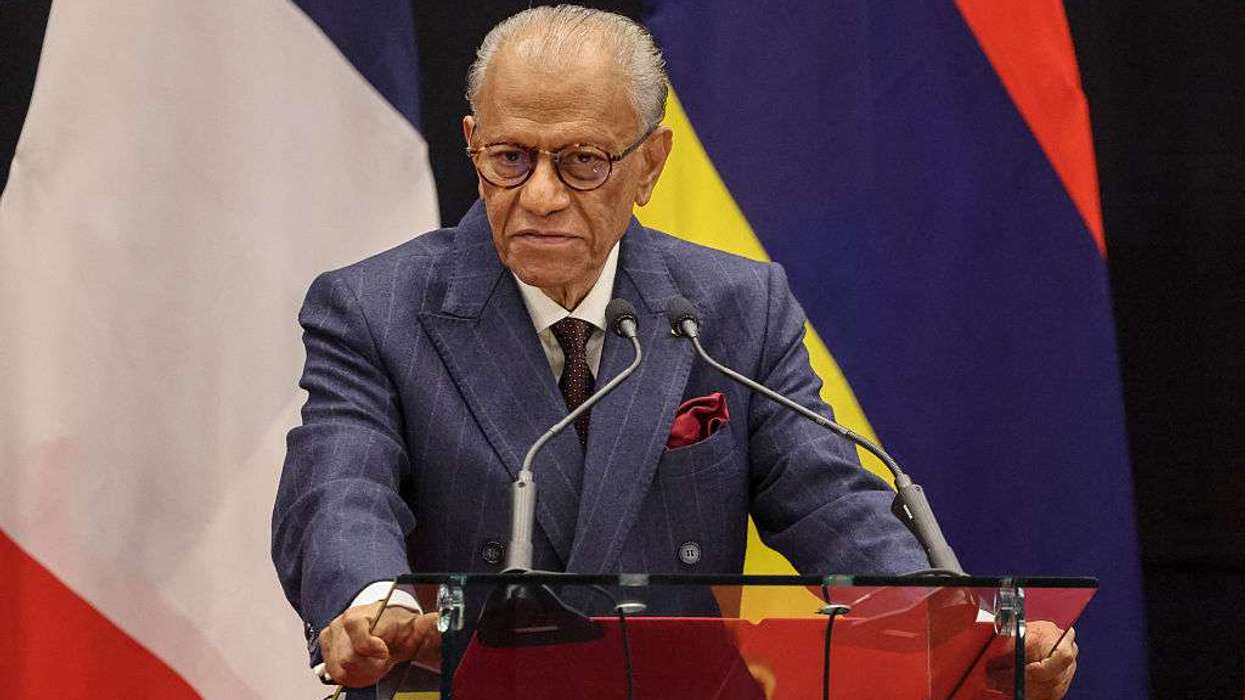
Finance minister Rachel Reeves described the figures as "disappointing" and said there was "more to do."
Labour has announced plans to reduce red tape and has unveiled a multi-billion pound investment programme aimed at the National Health Service and infrastructure to boost growth.
In separate data published by the ONS on Friday, UK exports to the United States increased by £0.3 billion in May. This followed a record fall in April when President Donald Trump's tariffs took effect.
"Growth is becoming incredibly difficult to achieve for the government," said Lindsay James, investment strategist at Quilter.
"The plans put in place so far are unlikely to move the needle in the absence of improving business and consumer sentiment in an environment of ongoing cost pressures," she added.
ONS director of economic statistics Liz McKeown said there were "notable falls in production and construction" which affected GDP in May.
She said the decline in production was led by "oil and gas extraction, car manufacturing and the often-erratic pharmaceutical industry."