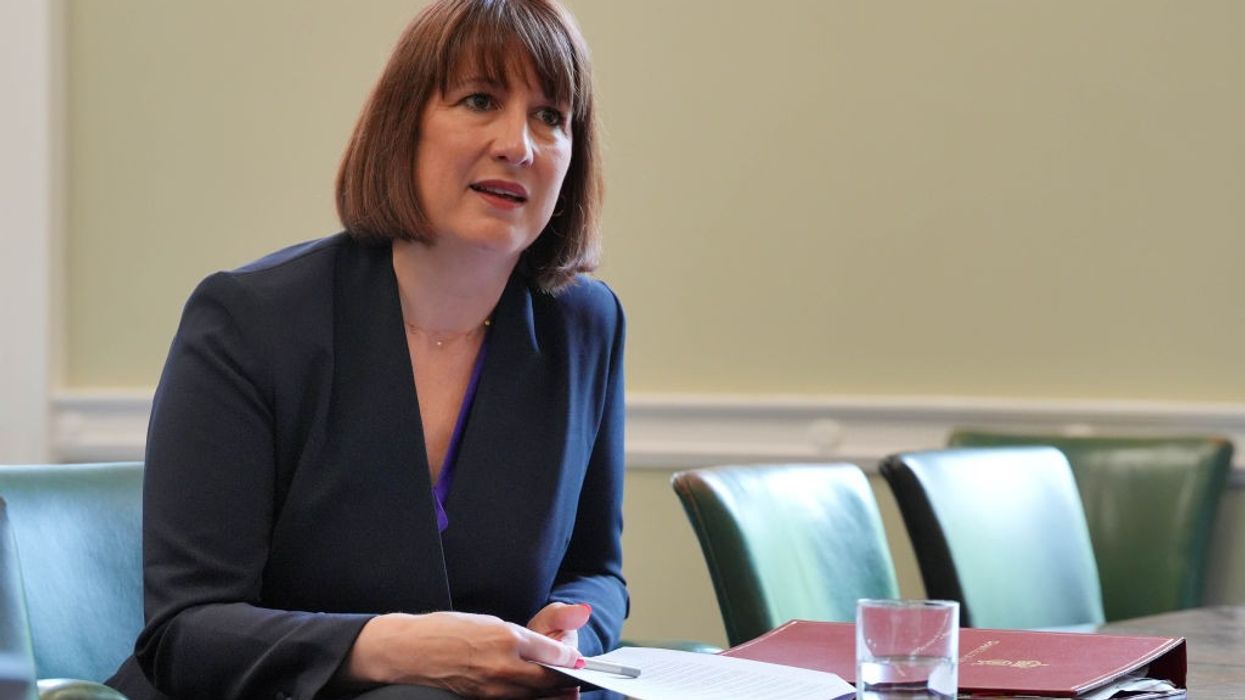

CHANCELLOR Rachel Reeves has said Brexit and past government spending cuts have had a greater negative impact on the UK economy than previously estimated, as she prepares for a budget expected to include tax rises alongside measures to support growth.
In comments reported by The Guardian, Reeves said she aimed to counter an anticipated downgrade in Britain’s economic growth forecasts from the Office for Budget Responsibility (OBR).
"We also know - and the OBR, I think, is going to be pretty frank about this - that things like austerity, the cuts to capital spending and Brexit have had a bigger impact on our economy than even was projected back then," she was quoted as saying by the newspaper during a conference in Birmingham.
"That's why we are unashamedly rebuilding our relations with the European Union to reduce some of those costs that were, in my view, needlessly added to businesses since 2016 and since we formally left a few years ago."
The OBR has estimated that Brexit will reduce Britain’s long-term productivity level by 4 per cent compared with remaining in the European Union.
On Saturday, Bank of England Governor Andrew Bailey said Brexit was likely to continue weighing on Britain’s economic growth in the coming years.
Data published earlier showed Britain’s public borrowing in the first half of the financial year was the highest on record, except during the height of the coronavirus pandemic, maintaining pressure on Reeves ahead of the 26 November budget.
Later on Tuesday, Reeves told the Financial Times she hoped the Bank of England would make further interest rate cuts after her budget measures, which will be aimed at easing the cost of living pressures on households.
"There will be targeted action in the budget around prices because I want to bring down the cost of living for families," Reeves said. "And I want to see interest rates, which have gone down five times in the last year and a bit, come down further."
Britain currently has the highest inflation rate among Group of Seven economies, at 3.8 per cent in August. The Bank of England expects it to peak at 4 per cent in September before returning to its 2 per cent target in the spring of 2027.
Governor Andrew Bailey and his colleagues have said the inflation outlook remains uncertain, making it difficult to predict when further interest rate cuts may occur.
(With inputs from agencies)