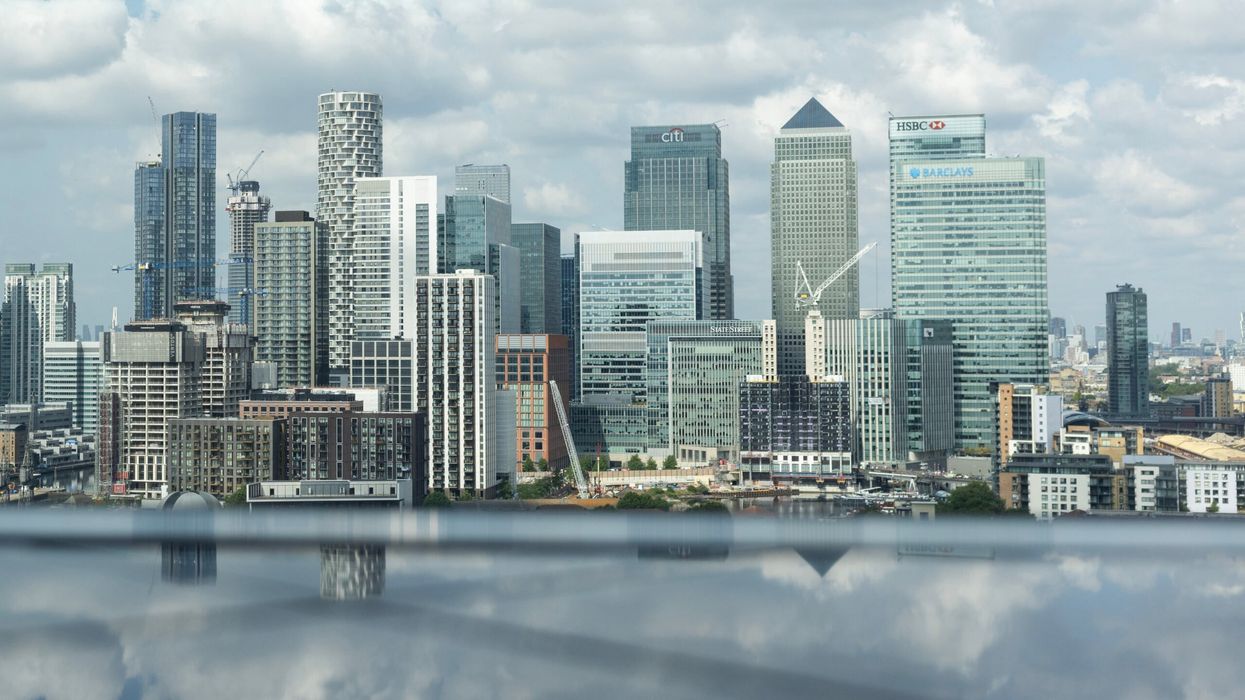

UK's economy grew more than expected in the second quarter, though at a slower pace than the first three months of 2025, as US tariffs and a higher UK business tax weighed on activity, official data showed on Thursday.
Gross domestic product rose 0.3 per cent in April-June, the Office for National Statistics (ONS) said, above analyst forecasts of 0.1 per cent growth. This followed a 0.7 per cent rise in the first quarter.
“Today’s economic figures are positive with a strong start to the year and continued growth in the second quarter,” said finance minister Rachel Reeves.
“But there is more to do to deliver an economy that works for working people,” she added, after a challenging first year in power for the Labour government.
The ONS said growth in construction and services in the second quarter helped offset a fall in production.
“Growth was led by services, with computer programming, health and vehicle leasing growing,” said Liz McKeown, ONS director of economic statistics.
Data released on Wednesday showed UK unemployment at a four-year high of 4.7 per cent in the second quarter.
The slowdown comes after the government raised the UK business tax from April, when US President Donald Trump’s 10 per cent baseline tariff on most goods also took effect.
Citing risks from US tariffs, the Bank of England last week cut its key interest rate by a quarter point to 4 per cent.
“The weak global economy will remain a drag on UK GDP growth for a while yet,” said Ruth Gregory, deputy chief UK economist at Capital Economics.
“The full drag on business investment from April’s tax rises has yet to be felt. And the ongoing speculation about further tax rises in the (UK) autumn budget will probably keep consumers in a cautious mood,” she added.