

The UK government has announced plans to restrict skilled worker visas to graduate-level jobs and require businesses to train more local workers. The move is aimed at ending what it calls a "failed free market experiment" in mass immigration.
The policy will form part of a white paper to be published on Monday, which will outline how the Labour government plans to reduce immigration.
Under the new proposals, visas for lower-skilled roles will only be issued in sectors that are critical to the UK’s industrial strategy. In return, employers will be expected to invest more in training British workers.
Prime minister Keir Starmer is facing pressure to bring down net migration, following the strong performance of Nigel Farage’s Reform UK party, which campaigned on an anti-immigration platform in recent local elections.
Legal migration was one of the main issues that led to the vote to leave the European Union in 2016, with concerns about the free movement of workers across EU member states.
After leaving the EU in 2020, the Conservative government expanded the list of eligible skilled jobs to include roles such as yoga teachers, dog walkers, and DJs.
“We inherited a failed immigration system where the previous government replaced free movement with a free market experiment,” said British interior minister Yvette Cooper. “We are taking decisive action to restore control and order to the immigration system.”
Following the post-Brexit visa changes, the number of EU migrants to the UK fell. However, overall immigration increased due to new work visa rules and arrivals from Ukraine and Hong Kong under special schemes.
Net migration reached a record 906,000 in the year to June 2023. This was a sharp rise compared to 2019, when 184,000 people arrived while the UK was still in the EU.




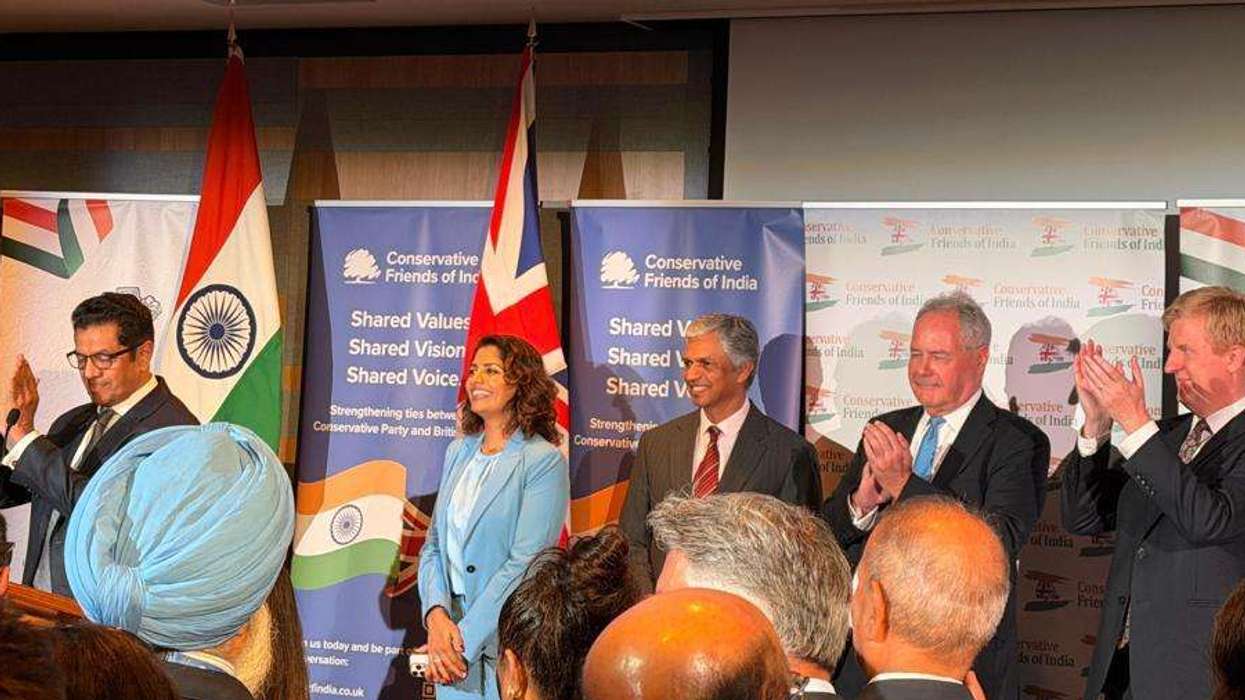
 CFIndia co-chair Dr Koolesh Shah CFIndia
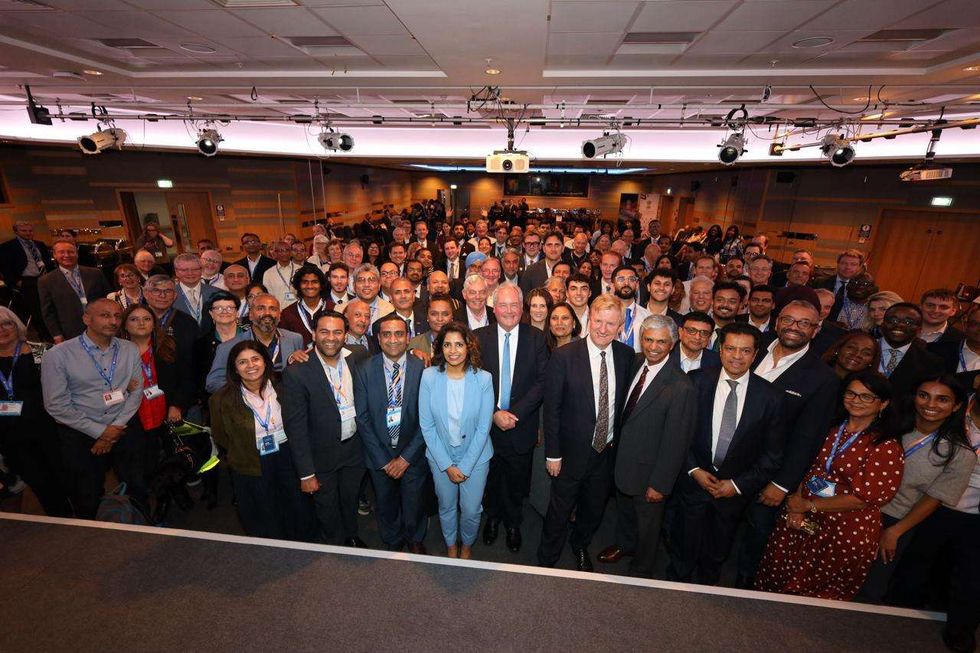 Nearly 500 attended the Conservative Friends of India event.CFIndia
 CFIndia co-chair Dr Koolesh Shah with Indian High Commissioner to the UK Kumaran PeriasamyCFIndia