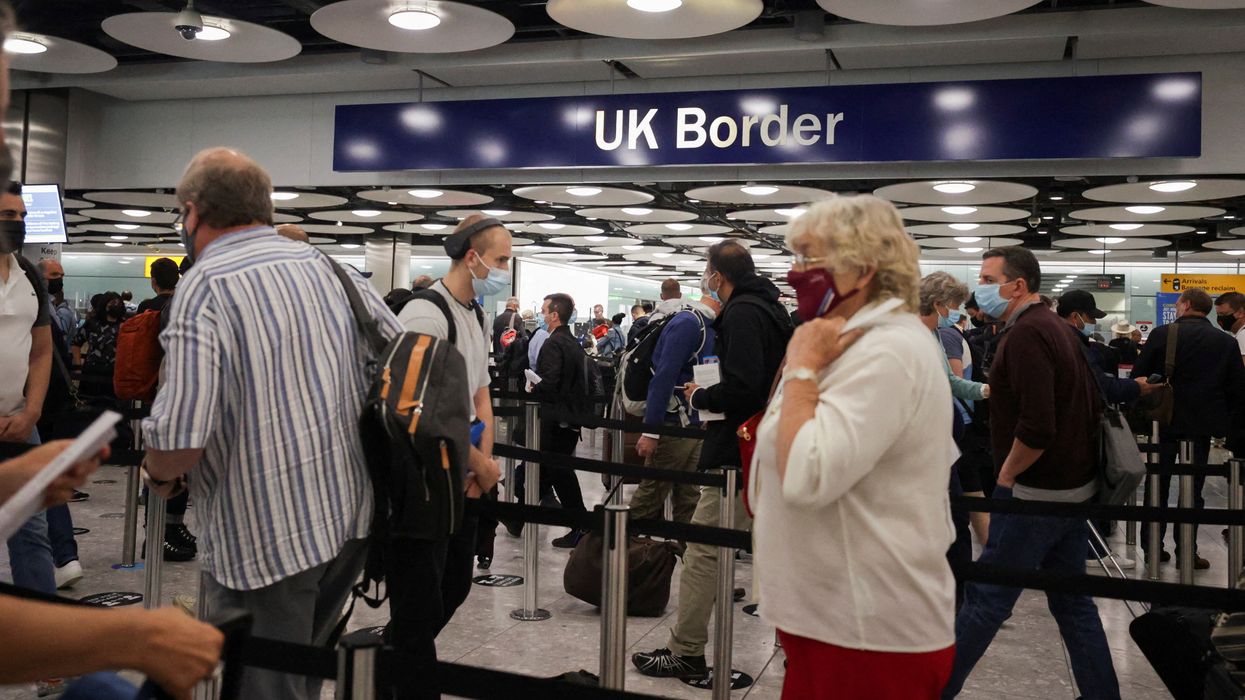

FROM WEDNESDAY, European visitors to the UK will need an online entry permit as part of new travel requirements introduced by the British government.
The Electronic Travel Authorisation (ETA), a digital permit, will be required for travellers from Europe. UK officials say the move aims to enhance border security and simplify entry procedures.
A buffer period will be in place for several months, allowing people to continue travelling while the system is phased in.
The ETA can be purchased online for £10 (12 euros), but the cost will rise to £16 from 9 April.
The permit has already been introduced for travellers from the United States, Canada, and other visa-exempt countries. The UK, which left the European Union in 2020, is now expanding the requirement to European visitors.
Phil Douglas, head of the UK’s Border Force, said the expansion was part of a broader plan to apply the ETA system to visitors from across the world.
"This scheme is essentially a border security measure," he said, adding that the introduction on Wednesday was not expected to cause disruption.
The permit is meant to speed up entry by allowing officials to check details such as a traveller’s immigration history or criminal record in advance.
"The quid pro quo for the individual, though, is that we are building a contactless border, so if they're cleared for entry, they'll be able to use our new eGates and they'll be able to go through the border much more quickly," Douglas added.
During the buffer period, which is expected to last until September or October, people will still be allowed to board flights and trains even if they do not yet have an ETA.
The permit allows visits of up to six months. It is digitally linked to the applicant’s passport and remains valid for two years.
Applications opened for European travellers in early March and are available via a smartphone app or the UK government website.
The permit applies to nationals of around 30 European countries, excluding Ireland.
Scheme expansion
Applicants must submit a photo of their passport and face, with the process taking about 10 minutes, according to the UK Home Office. While most applications are approved within minutes, the government advises allowing up to three working days.
The ETA is required for babies and children, but passengers transiting through UK airports without crossing the border are exempt.
This exemption was introduced after pressure from Heathrow Airport, which expressed concerns about potential declines in passenger numbers.
In 2024, nearly 84 million passengers passed through Heathrow, with a third coming from EU countries.
The ETA scheme was first launched in 2023 for Qatar before being extended to five other Gulf nations.
In January, it was further expanded to include nationals from about 50 countries and territories, including Argentina, South Korea, and New Zealand.
By the end of 2024, nearly 1.1 million ETAs had been issued, according to the Home Office.
The permit does not apply to UK residents or individuals with an existing UK immigration status.
The ETA is similar to the European Travel Information and Authorisation System (ETIAS), which will require visa-exempt travellers to obtain approval before visiting 30 European countries, including France and Germany.
The EU scheme has been delayed until 2026.
(With inputs from AFP)