
- Britain exports goods and services worth nearly £180 billion to the US each year
- Tariffs of 10 to 25 per cent could dent automotive and manufacturing exports sharply
- Even limited trade action could shave up to 0.5 per cent off UK GDP
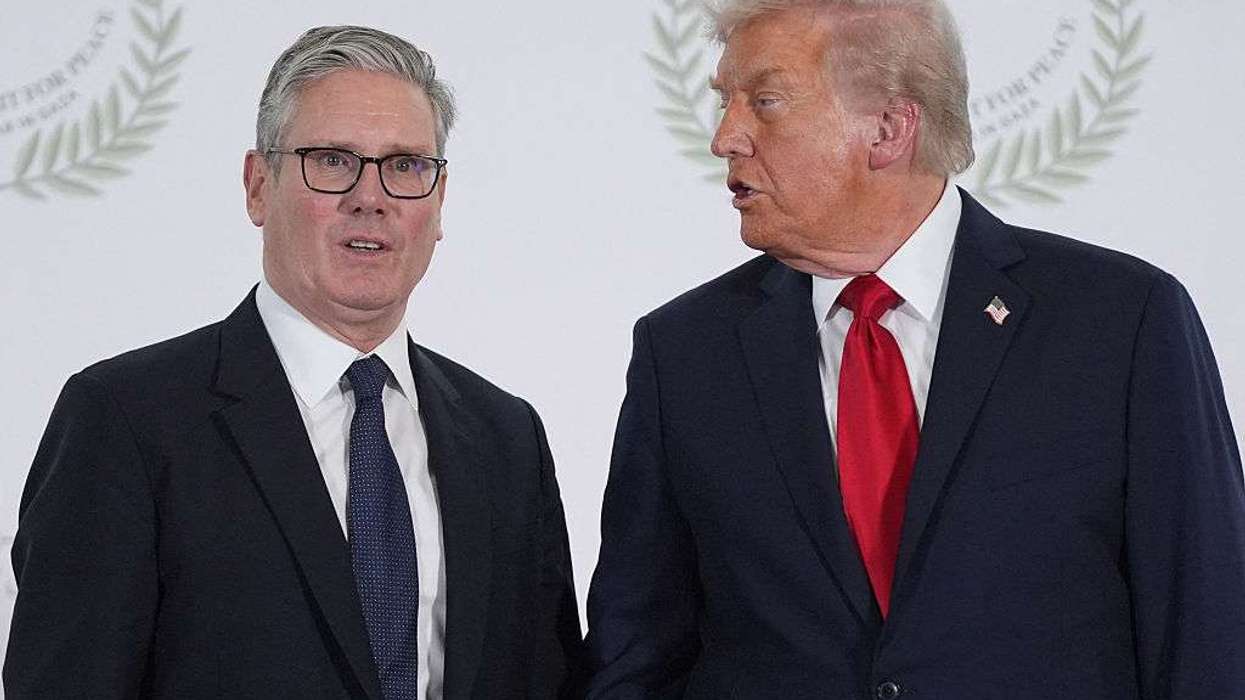
The latest warning from Donald Trump has sharpened tensions between the UK and the US, with the president threatening tariffs on British goods if Prime Minister Keir Starmer does not scrap the country’s digital services tax. The concern from Washington is straightforward. The levy, which places a 2 per cent charge on revenues generated from UK users, is seen as disproportionately targeting American technology firms. Trump, reportedly said in an interview, has argued that such a policy unfairly singles out US companies and warned that tariffs could be imposed at levels “equal or greater” than the revenue Britain collects from the tax.
The tax, introduced in 2020, applies to large digital businesses including Apple, Alphabet Inc. and Meta Platforms. While the UK has maintained that the measure is aimed at ensuring global firms pay tax where they generate value, the US has consistently viewed it as discriminatory. Trump’s latest remarks suggest a shift from criticism to possible retaliation, raising the prospect of a broader trade confrontation.
Where the real pressure could land
The US is one of Britain’s largest trading partners, with total trade in goods alone worth about £116 billion, while services exports add another £135 billion annually. That exposure makes any tariff move significant, even if it is narrowly targeted.
The automotive sector could feel the impact first. British carmakers export a sizeable share of their vehicles to the US, often in the premium segment. A tariff in the range of 10 to 25 per cent would make these cars more expensive overnight, weakening demand and forcing manufacturers to rethink pricing or absorb losses. Industry estimates suggest around 15 to 20 per cent of UK car exports head to the US, making it a critical market.
Aerospace is another area to watch. The UK’s role in aircraft engine manufacturing and components is closely tied to US supply chains. While contracts in this sector tend to be long term, tariffs could still complicate future deals and partnerships. Over time, companies may look at shifting parts of production to avoid trade barriers, which would gradually affect the UK’s industrial base.
Pharmaceuticals and chemicals, which together account for tens of billions in exports, may not face immediate disruption but are unlikely to remain untouched. Trade tensions often push companies to diversify supply chains. That could mean production moving elsewhere, especially if tariffs persist.
Beyond trade, a wider economic ripple
The potential hit is not just about goods leaving British ports. Economists often estimate that even limited tariff action could reduce UK GDP by between 0.1 and 0.5 per cent, depending on how broad the measures are and how long they remain in place. That might sound modest, but in absolute terms it represents billions of pounds in lost economic activity.
There is also a quieter impact on financial and professional services. These sectors are not directly subject to tariffs, but they rely heavily on cross-border investment and stable economic ties. Any strain in the UK-US relationship tends to weigh on investor confidence, which in turn affects deal-making and capital flows.
The irony is that the dispute itself is rooted in the tech sector. Britain’s tax is aimed at capturing revenue from global digital firms operating locally. However, retaliation from the US could end up affecting industries far removed from technology. That includes manufacturing hubs, export-driven businesses and supply chains that have little to do with Silicon Valley.
For now, the situation remains uncertain. Trump’s comments, as quoted in a news report, suggest tariffs are being used as leverage rather than an immediate policy decision. Whether the UK chooses to adjust its digital tax or hold its ground will shape what happens next.