
Highlights
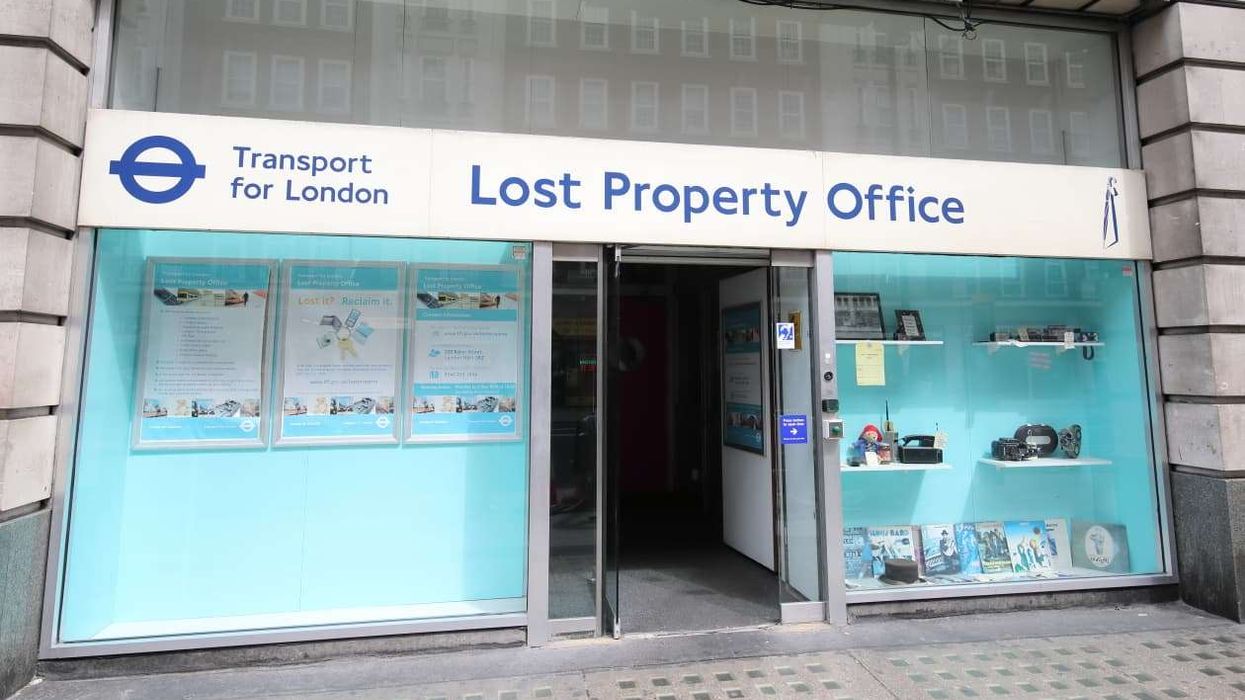
- Transport for London receives approximately 6,000 lost items every week from its network.
- Less than one-fifth of items lost on tubes, trains, buses and black cabs are ever reclaimed by owners.
- Europe's biggest lost property facility employs 45 staff at east London warehouse.
The facility, located in east London and slightly smaller than a football pitch, employs 45 staff members who sort, log, label and store items left behind on tubes, overground trains, buses and black cabs.
The warehouse features rows of sliding shelves packed with everything from umbrella handles and books to hundreds of stuffed children's toys, including a huge St Bernard dog teddy and a Rudolph the red-nosed reindeer.
"We didn't keep them," said Transport for London manager Diana Quaye, referring to an unusual delivery of cooked frogs.
Perishable items, including a sandwich left on the Victoria line or a chocolate bar on the top deck of the Number 37 bus, are disposed of immediately, but all other belongings are carefully catalogued and stored. Commuters on buses are the biggest culprits when it comes to lost property, she added
"I don't know if people get a bit relaxed on the bus, but they tend to leave items on there," Quaye explained. The warehouse also houses intriguing finds from over the decades, including a wedding dress, an artificial limb and a taxidermy fox.
One particularly poignant case involved an urn of ashes, held in a bag that was subsequently stolen. Transport for London kept the urn for seven years before eventually returning it to its owner in Germany.
Despite the facility's efficiency, under one-fifth of all lost items are ever reclaimed. After typically holding items for three months, Transport for London auctions unclaimed belongings or sends them to charity.
Sports equipment goes to local schools, while new toys are donated to children's charities at Christmas.
Reuters