
- Mondelēz has filed a claim in London’s High Court alleging trademark infringement and passing off over the O’bar chocolate design.
- Catherine’s Originals founder Catherine Dodd says the company stands behind its product and intends to defend its identity.
- The dispute echoes a 2017 legal row involving Poundland’s Twin Peaks chocolate bar, which returned to sale after changes to its design.
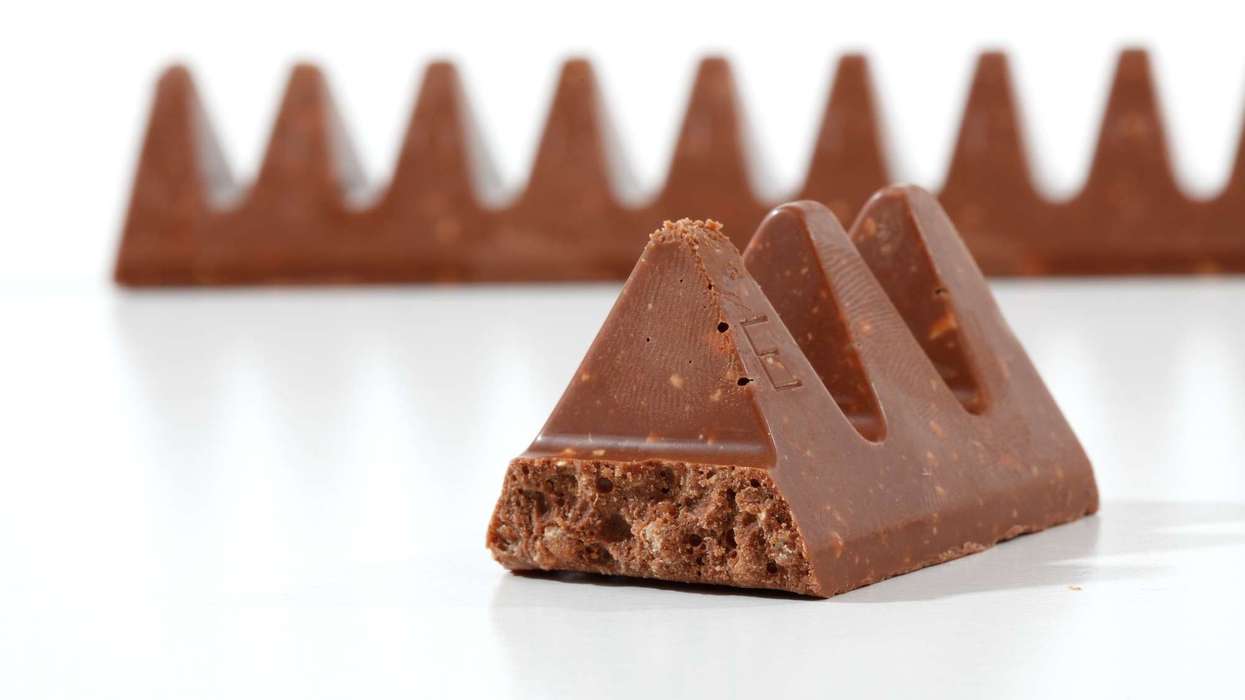
The owner of Toblerone has launched legal action against a small British vegan chocolate business, alleging that its product copies the distinctive shape of the Swiss chocolate bar.
Mondelēz International has filed papers at the High Court in London accusing Catherine’s Originals of trademark infringement and passing off over its O’bar, a 200g chocolate bar divided into segments with rounded, semi-oval humps.
The case puts the intellectual property rights of a globally recognised confectionery brand against an independent business that says its design reflects its own identity.
Catherine’s Originals was founded in 2021 by Catherine Dodd, who was a teenager at the time. The business makes its chocolate in Walberton, Sussex, and sells it through markets, online orders and subscriptions.
Its O’bar costs £9.20 for milk or plain chocolate, rising to £10.55 for flavours such as pumpkin spice and cinnamon swirl. A standard milk chocolate Toblerone costs around £2.50, making the independent brand’s products considerably more expensive.
Dodd said the company disagreed with the allegations and would defend its position.
“We stand firmly behind the product and identity we’ve created,” she said.
She added that the legal action was “fairly frightening” for a small business built through considerable care and hard work, but said its size would not stop it standing up for its creation.
Stephen Lowry, a legal adviser at Brandsmiths representing Catherine’s Originals, said the company considered O’bar to have its own distinctive design and identity. He added that it looked forward to addressing the claim through the appropriate legal process.
Why is Mondelēz challenging the chocolate bar’s shape?
Mondelēz argues that Toblerone’s distinctive shape is a key part of the brand’s identity and has been associated with the product since 1929.
The company, which also owns Cadbury and Côte d’Or, said the Toblerone design was among the most recognised and distinctive product designs in the UK and internationally.
“We have a responsibility to protect our trademarks and intellectual property, which we take seriously,” a spokesperson said.
Mondelēz added that it had tried to resolve the matter directly with Catherine’s Originals over several months but had been unable to reach an agreement. It declined to comment further because the legal proceedings are ongoing.
The dispute centres on the extent to which a product’s shape can be protected as intellectual property and whether another business’s design is sufficiently similar to amount to infringement or passing off. The allegations have yet to be determined by the court.
For smaller food brands, the case highlights the commercial and legal challenges of creating distinctive packaging and products in a market where established designs can carry substantial brand recognition.
How does the case compare with Poundland’s Twin Peaks dispute?
The legal action recalls a previous dispute involving Poundland, which faced objections from Mondelēz over its Twin Peaks chocolate bar in 2017.
The discount retailer had planned to sell a bar featuring two peaks rather than Toblerone’s familiar sequence of triangular peaks. Mondelēz challenged the product, leading Poundland to delay its launch.
The bar eventually returned to sale after the companies reached an agreement. Poundland modified the bar’s shape and the packaging’s colour, allowing the product to remain on the market.
The earlier dispute demonstrated how established confectionery brands can use intellectual property rights to challenge competing products that they believe resemble their designs.
The latest case involves a different product and a different business, and its outcome will depend on the evidence and legal arguments presented to the court.
For Catherine’s Originals, the challenge is to defend its product identity while managing the costs and demands of a legal dispute. For Mondelēz, the case forms part of its stated responsibility to protect the visual identity associated with one of its best-known chocolate brands.
The proceedings could offer another test of the boundaries between protecting a recognised product design and allowing smaller businesses to develop their own identities in a competitive confectionery market.