
Highlights:
- A brand launched in 1996 continues to thrive across games, cards, merchandise and media.
- Nostalgia and escapism are drawing both millennials and Gen Z into the world of Pokémon.
- In a volatile gaming market, Pokémon remains one of the most dependable money-makers in entertainment.
The long-game of nostalgia and obsession
When Pokémon first appeared on the Game Boy in 1996, it spoke to children who dreamed of capturing creatures and building teams. Today, those kids are grown and still investing time and money into the franchise. The adults who once shouted “Gotta catch ’em all” are now collectors, co-players with their children, or consumers of nostalgia-driven merchandise.
One Reddit user wrote:
“I’m in my mid-30s and, believe me, it’s really cool that you can randomly talk about Pokémon at the lunch table at work … everyone can add something to it.”This speaks to how the childhood habit becomes a social currency for adults.It isn’t just the title that matters; it’s the shared memory.
How the franchise maintains relevance
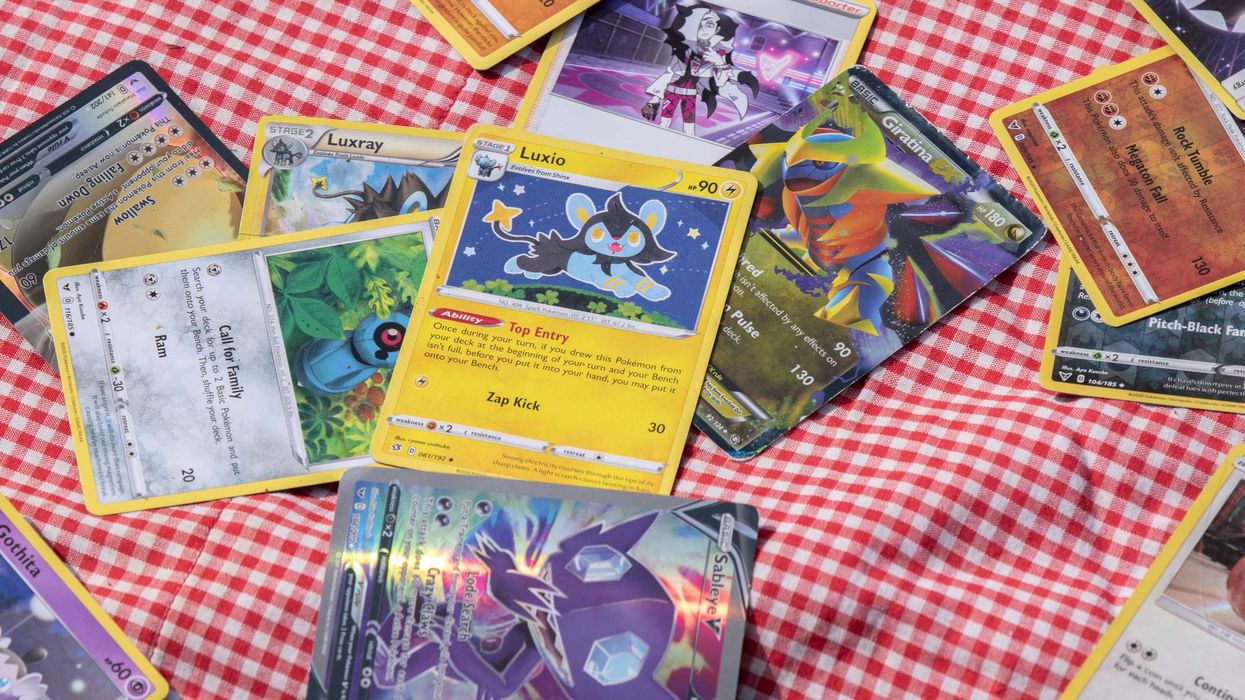
It isn’t just old and beloved; the brand has diversified and adapted in smart ways. Games continue to sell by the millions, trading cards remain a major cultural moment, and collaborations with fashion, media and streaming keep the brand visible. And importantly, the sense of community remains active. A sociological study of Pokémon Go found that people of various ages (including in their 20s and 30s) were drawn into the app because they noticed peers posting buzz on social media or using the app publicly, and the game became part of “what everyone else is doing”. This kind of peer-fuelled uptake helps explain why millennials and Gen Z keep returning to Pokémon.
Millennials, Gen Z and the escapist lure
For millennials, now in their thirties and forties, Pokémon is a time capsule. Opening a booster pack of cards now offers a return to simpler days; playing a new game brings back the feeling of childhood discovery. Meanwhile, Gen Z is discovering it anew, drawn by social-media trends, retro style, and collectable culture. One fan online observed:
“I love that in all our shared love of Pokémon, we can all have discussions … I love Pokémon and its fans mean a lot to me!”
The franchise offers a safe escape: a familiar world of companionship, collection and friendly battle in a time of change.
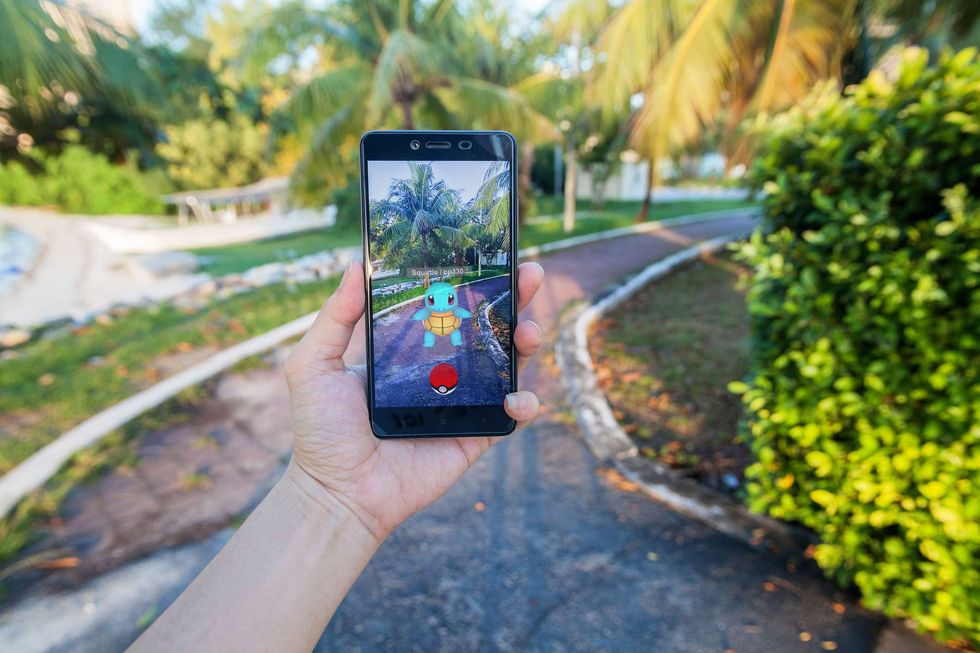 Pokémon is more than a gaming storyiStock
Why Pokémon keeps the money flowing
In gaming’s volatile market, many franchises flare up and fade quickly. Pokémon’s model is different. It ties together core games, mobile spin-offs, cards, merchandise, collaborations and streaming content in a durable ecosystem. When the excitement around console releases dips, the franchise effortlessly shifts gears with trading cards, mobile events or new collaborations, ensuring the buzz never fades. Social-media fan accounts show how the brand retains attention: for instance, on Twitter, fan-driven posts about the card game or nostalgic reruns keep the feed active. This diversified, always-on presence gives Pokémon resilience and relevance.
What this means for lifestyle and culture
For readers of lifestyle features, Pokémon is more than a gaming story. It’s a cultural phenomenon that spans childhood memory, adult collection habits, social-media community and consumer behaviour. The “kid who caught them all” now buys the collector’s edition box, posts rare-card hauls on TikTok/Instagram, plays new titles with friends or child-partners, and uses the brand as part of everyday identity. In essence, Pokémon isn’t just about games. It’s about identity, memory, community and the intersection of childhood and adulthood. As the franchise nears its 30th anniversary in 2026, it is less a relic and more a living brand that is mastering how to keep fans engaged for decades.