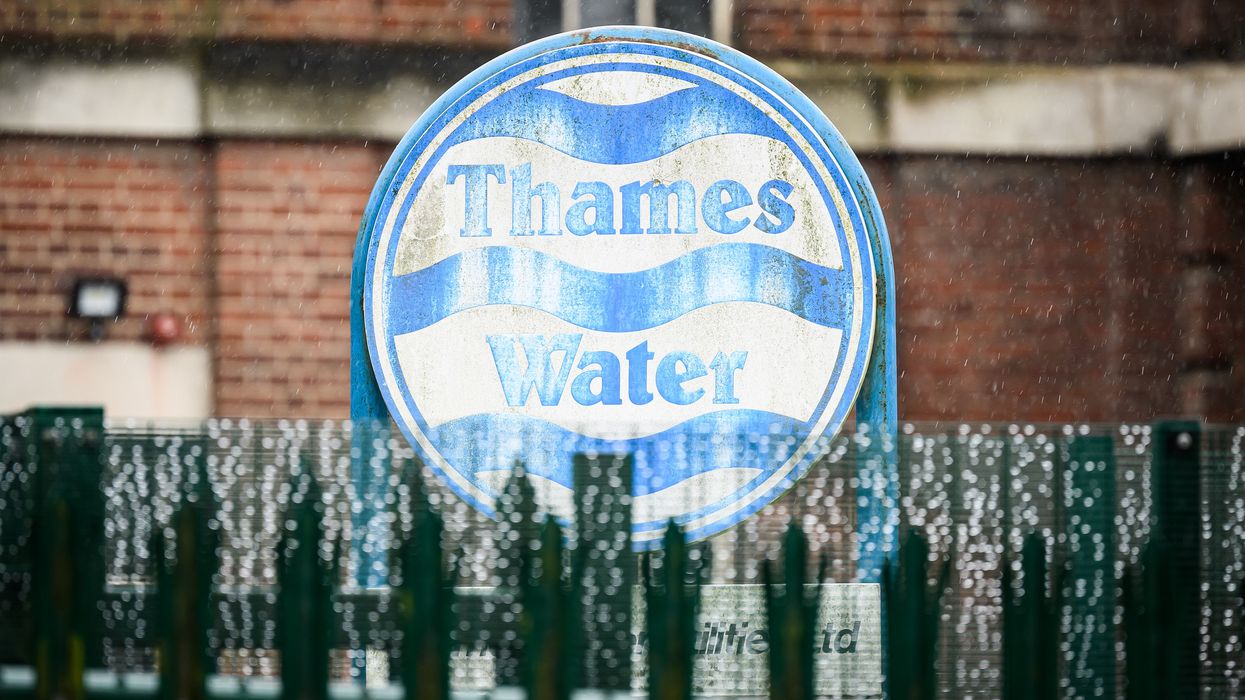

Thames Water has been hit with a record £122.7 million penalty by Ofwat for breaching rules related to sewage operations and dividend payments to shareholders. It is the largest fine ever imposed by the water regulator.
Ofwat said the fine followed its “biggest and most complex investigation” to date. The regulator confirmed that the penalty would be paid by Thames Water and its investors, not by its customers.
The fine includes a £104.5 million penalty for failures linked to the company’s sewage treatment and discharge operations. Additionally, Thames Water has been ordered to pay £18.2 million over breaches concerning shareholder dividends. This marks the first time Ofwat has fined a water company for what it described as “undeserved dividends”.
Thames Water is currently subject to a “cash lock-up”, meaning no dividend payments can be made without regulatory approval.
The company has faced mounting criticism over its environmental performance, particularly repeated sewage discharges and leaks. It is also burdened by a £20 billion debt and narrowly avoided collapse earlier this year after securing a £3 billion emergency funding package in March.
The utility supplies water to around 25 per cent of the UK population, mainly across London and the south of England. It employs approximately 8,000 staff. Prior to the financial rescue, the company had warned it would run out of cash by mid-April. The government had been preparing to place the firm into special administration had it failed to secure new funding.
Ofwat chief executive David Black said Thames Water had failed to fulfil its obligations to customers and the environment. “This is a clear-cut case where Thames Water has let down its customers and failed to protect the environment,” he said.
“Our investigation has uncovered a series of failures by the company to build, maintain and operate adequate infrastructure. The company also failed to offer an acceptable redress package that would have benefited the environment, so we have imposed a significant financial penalty.”
Discharging untreated sewage into rivers or the sea poses serious environmental risks and can endanger public health, especially for swimmers and local wildlife.
Ofwat had proposed the £104 million fine in August 2023 and confirmed the full penalty package on Wednesday.
Thames Water chief executive Chris Weston had told MPs earlier this month that the company’s financial survival depended on the regulator showing leniency over fines and penalties.
Responding to the latest development, a Thames Water spokesperson said: “We take our responsibility towards the environment very seriously and note that Ofwat acknowledges we have already made progress to address issues raised in the investigation relating to storm overflows.”
They added that dividend payments were made following “consideration of the company’s legal and regulatory obligations,” and confirmed that “our lenders continue to support our liquidity position and our equity raise process continues.”