Skip to content
Search

Latest Stories

Submit Guest Post

Tata Steel signs contract for electric furnace at Port Talbot

The electric furnace is expected to start operating by the end of 2027

Tata Steel signs contract for electric furnace at Port Talbot
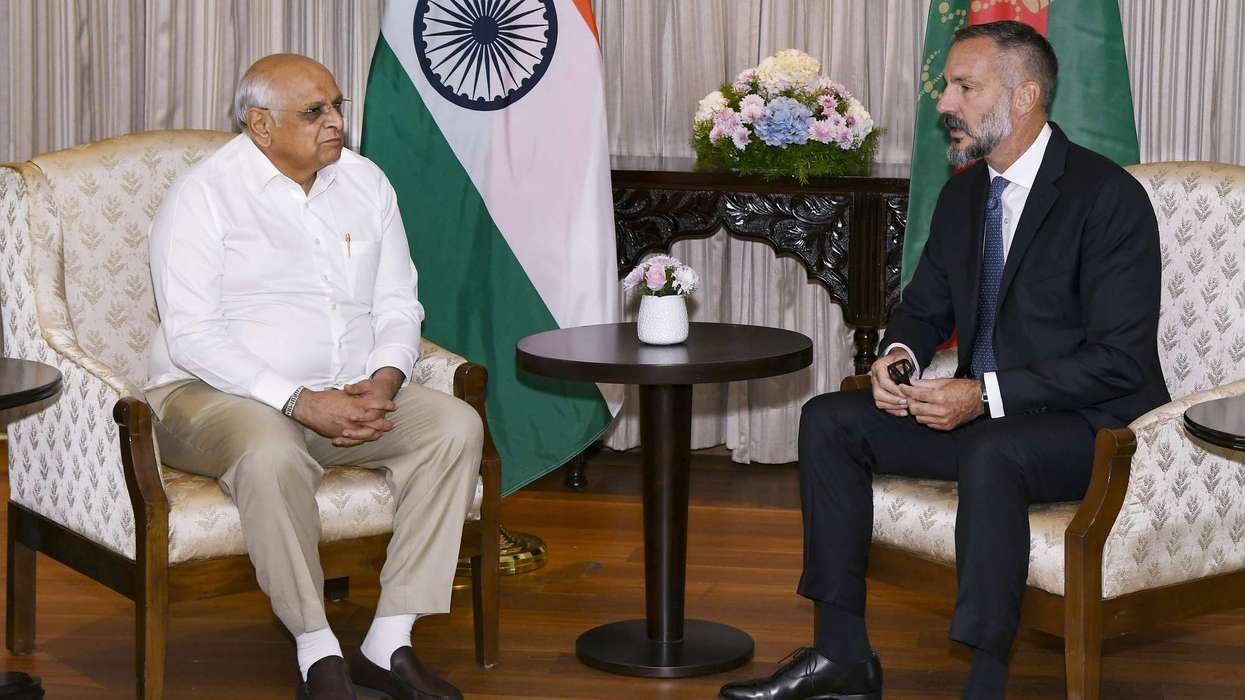
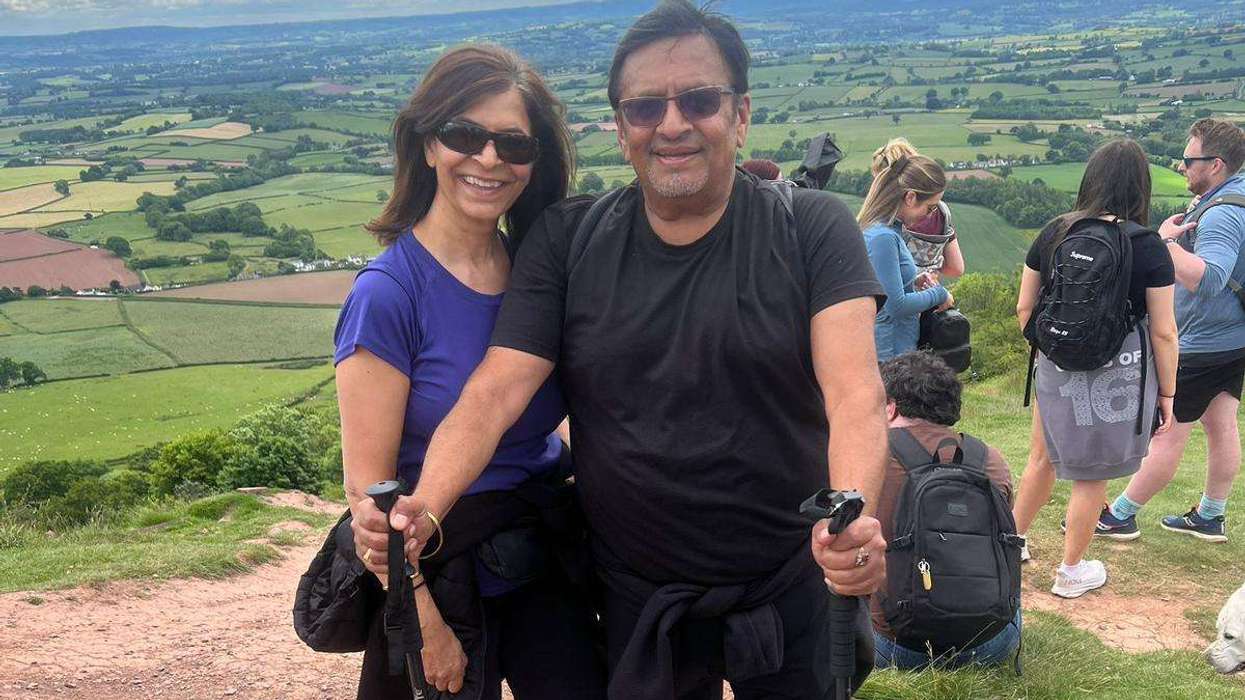
Rajesh Nair (R) and Paolo Argenta.

TATA STEEL signed a contract with a technology partner on Friday (18) to build an electric arc furnace at its Port Talbot site in Wales.

The tie-up with Tenova is aimed at reducing the plant's carbon emissions by 90 per cent, equivalent to cutting five million tonnes ofcarbon dioxide each year, the company said.


The new furnace, expected to start operating by the end of 2027, will melt scrap steel sourced from within the UK. This shift will help reduce the country's reliance on imported iron ore, supporting UK manufacturing.

The furnace will have an annual capacity of three million tonnes, matching the current output of Port Talbot's blast furnaces.

Tenova Consteel electric arc furnace.

According to a statement, Tenova will also provide equipment to refine steel for more complex products required by manufacturers.

T V Narendran, CEO and MD of Tata Steel, said, “This landmark agreement will enable us to transform our steelmaking site that will not only support the UK’s decarbonisation journey but also provide economic development opportunities for South Wales.

“Today marks an important milestone in making low-carbon dioxide steelmaking a reality in Port Talbot as well as reducing the UK’s carbon emissions and supporting our customers with their own carbon reduction targets.”

The latest deal follows a £1.25 billion investment, with Tata Steel contributing £750 million and the UK Government adding up to £500m. The project aligns with the UK's efforts to reduce carbon emissions and create economic opportunities in South Wales.

Business and trade secretary Jonathan Reynolds said, “This partnership follows in the footsteps of an improved deal between the government and Tata Steel, and is further proof of our commitment to a bright future for UK steelmaking.

“Technology like the furnaces made by Tenova is critical to decarbonising the industry, unlocking its potential to provide skilled jobs, and creating economic stability for future generations of steelworkers in South Wales."

Paolo Argenta, executive vice president for the Tenova upstream business unit, said, “We are working with Tata Steel UK at an unprecedented level of transparency and cooperation, and we are confident this will lead to a successful project implementation. Tenova's global collaboration with Tata Steel, including projects in other regions of the world, further reinforces our strong partnership.”

Meanwhile, Tata Steel has finished public consultations for its planning application and is coordinating with authorities to submit it next month, aiming to start large-scale work by July 2025.

Add EasternEye As Your Trusted Source
preferred source on google news

More For You

Tackling hostility against Muslims matters for everyone

Anti immigration protesters attend the 'Glasgow Reclaims The Streets From Far-right Hatred And Violence' anti-racism protest on June 13, 2026 in Glasgow, Scotland.

Getty Images

Tackling hostility against Muslims matters for everyone

Sunder Katwala

Born in the mid-1970s I felt part of a lucky generation, which gained from pushing back the overt racism of that era. When we talk about stronger “social norms”, what we mean is that few people thought that monkey chants at the football or racist jokes on the telly were normal anymore – while more had Asian and black colleagues, neighbours and friends.

That past progress is put to the test today. A terrible crime in Belfast saw organised efforts at indiscriminate racist attacks on migrants and ethnic minorities, whose only connection to the crime was the colour of their skin. Those seeking to make racism fashionable again have the online megaphone of the world’s richest man, Elon Musk, on their side.

Past progress could be experienced unevenly, too. Being of mixed Indian and Irish Catholic parentage, I saw both identities rise in status once the BBC comedy Goodness Gracious Me inverted who could tell the jokes, and peace broke out in Northern Ireland. Yet, British Muslims of my generation felt under more intense scrutiny after the 9/11 terrorist attacks.

Efforts to tackle anti-Muslim hatred risked being stalled by arguments over what to call it and how to define it. The government’s new definition of anti-Muslim hostility seeks to transcend the confusion that the term “Islamophobia” could generate. But the challenge is not just to define the prejudice – but to find effective ways to shrink it.

There are sobering findings on the starting points in new research from British Future and the British Muslim Trust. More than half of British Muslims report experiencing prejudice based on their religion last year – a quarter in person and over a third online. A third of the public hold mostly negative views. One in six endorse sweeping and often indiscriminate hostility. Anti-Muslim hostility can have about twice the social reach as prejudice against other faith or ethnic minorities.

Tackling this hostility cannot be the responsibility of Muslims alone. It will take a whole-of-society effort. After all, this is foundationally about the attitudes towards a six per cent minority group, held among the 94 per cent of us who are not Muslim.

Keep ReadingShow less