
MINISTERS are racing to prevent the country's largest steelmaker from being shut out of a new trade agreement with the US, according to reports.
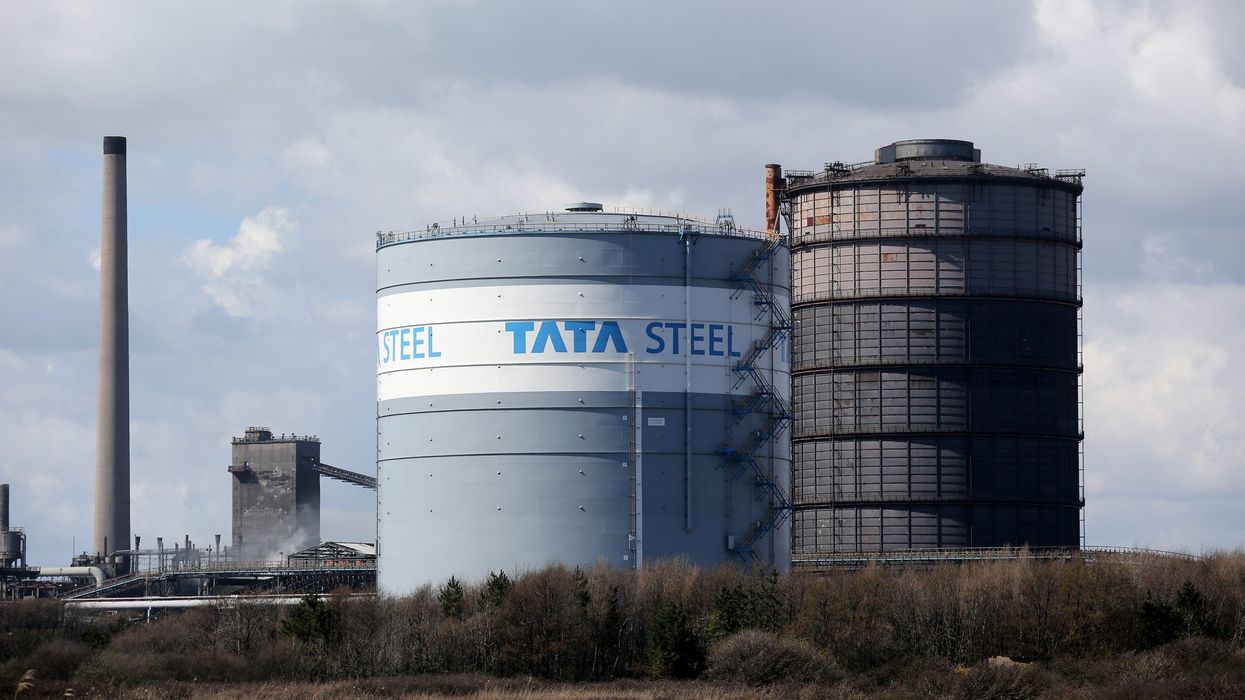
Tata Steel, which operates the massive Port Talbot steelworks in Wales, could be excluded from tariff-free access to US markets under prime minister Keir Starmer's deal with president Donald Trump, reported the Guardian.
Starmer announced on Wednesday (4) that he expects the trade agreement - which has been settled but not yet signed - to take effect "in just a couple of weeks". This follows Trump's decision to suspend 50 per cent tariffs on British steel and aluminium for five weeks.
But Tata Steel bosses worry their company might not benefit from the deal because of where some of their products come from. The Indian-owned firm sells more than $100 million (£80m) worth of goods to the US each year.
The steelmaker closed its blast furnace at Port Talbot last year as part of a shift towards cleaner electric arc furnace technology. During this change, the company has been bringing in steel from its related businesses in India and Europe before sending it on to customers.
This practice could break the US import rules that demand all steel must be "melted and poured" in the country it's imported from.
According to The Times, UK negotiators have been trying to secure special treatment for Tata. A government source told the paper they were confident a deal could be reached to protect the company, but described the talks as "complex".
The government is also facing US concerns about British Steel, which is owned by China's Jingye group. In April, ministers used emergency powers to take control of the Scunthorpe site amid fears the Chinese owners planned to shut down the blast furnaces.
US officials worry that Chinese involvement in British Steel could give Beijing a "back door" into the US for Chinese products.
This week, the US doubled tariffs on foreign steel and aluminium imports to 50 per cent for all trading partners except Britain. The rate for UK imports stays at 25 per cent until at least 9 July, though the exact size of the UK's steel quota remains unclear.
Under Starmer's agreement with Trump last month, the US agreed to remove the 25 per cent tariff on British steel and aluminium exports entirely, but this hasn't been finalised yet.
Steel companies say delays in putting the trade deal into action have cost them business. Speaking to MPs before the announcement, Russell Codling from Tata Steel said roughly £150m of business was affected by tariffs.
"If we can get this deal enacted as quickly as possible ... it will get stability for us and for our customers in the US," Codling told lawmakers.