
- EU plans to cut tariff-free steel imports by 47 per cent from July 1.
- UK and EU steel producers warn of significant disruption to cross-Channel trade.
- Hopes for a joint UK-EU strategy on Chinese steel are fading.
The UK and the European Union are facing growing tensions over steel trade, with both sides preparing to tighten import restrictions from July 1 in a move designed to shield domestic producers from Chinese competition.
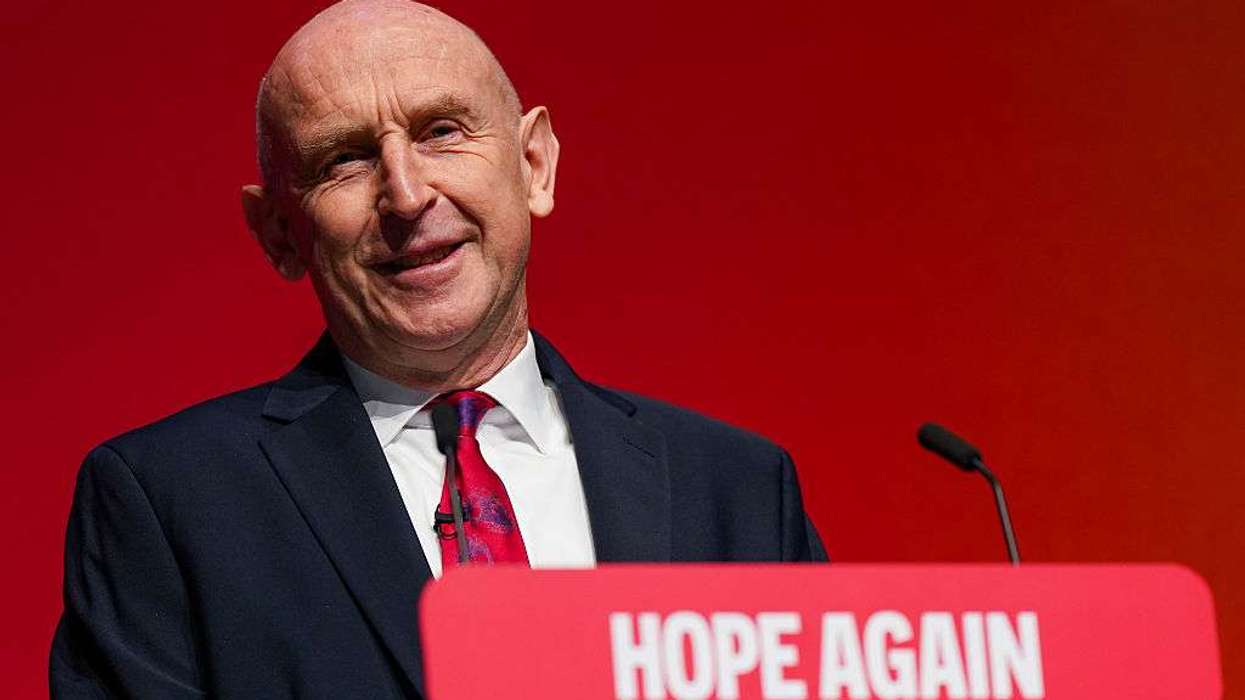
Business secretary Peter Kyle is expected to raise concerns with European trade commissioner Maroš Šefčovič in Brussels as the UK steel industry warns that planned changes to the EU's safeguard system could significantly restrict British exports. The dispute comes at a sensitive moment for UK-EU trade relations, with manufacturers on both sides warning that new quotas risk damaging one of Europe's most interconnected industrial sectors.
A fight over shrinking quotas
The European Commission is preparing to reduce overall tariff-free steel imports from non-EU countries by 47 per cent compared with 2024 levels. British steel producers argue that the changes could have severe consequences for UK exporters, who now fall under the bloc's external trade regime following Brexit.
At the same time, the UK is developing its own steel safeguards framework, also due to take effect on July 1. European producers have complained that Britain's proposed quota allocations would sharply reduce their access to the UK market.
In a letter to Šefčovič, the European Steel Association (Eurofer) warned that the UK's provisional quotas would significantly reduce exports across several product categories. According to the industry body, the EU would receive only 9 per cent of previous hot coil import volumes, 4 per cent of tin mill products and 3 per cent of merchant bars.
Eurofer also estimated that exports of organic coated steel products to the UK could fall by 80 per cent, while shipments of rebar steel and steel rails could decline by 45 per cent and 38 per cent respectively.
Allies under pressure
While both governments say the measures are intended to protect domestic steelmakers from a surge in low-cost Chinese steel, industry figures increasingly fear that the restrictions could create unintended consequences for UK and European manufacturers.
Several industry executives argue that limiting trade between closely linked markets may simply create additional opportunities for non-European competitors. One UK steel executive reportedly said, as quoted in a news report, that reducing Britain's share of the EU quota would effectively free up more capacity for non-European suppliers.
Officials within the EU also acknowledge that the measures will carry costs. One European diplomat reportedly said, as quoted in a news report, that both sides would face economic consequences, although the impact could be greater for the UK.
The disagreement has also cast doubt over hopes of a wider UK-EU "steel club" arrangement that would have allowed both sides to maintain preferential trading terms while coordinating efforts against Chinese imports. Industry leaders had viewed such an agreement as a potential way to avoid trade friction while strengthening Europe's broader industrial competitiveness.
According to reports, some European officials believe support from the US would have been important in advancing such a partnership. However, progress has stalled, leaving London and Brussels focused instead on separate safeguard systems.
Despite the current tensions, industry groups continue to push for a negotiated solution. Eurofer director general Axel Eggert reportedly said that the UK should receive preferential treatment compared with other trading partners because of the deep integration between British and European steel supply chains.
Kyle's discussions with Šefčovič are expected to test whether both sides can find a compromise before the new measures come into force on July 1. For steel producers already grappling with high costs and weak demand, the outcome could determine how easily goods continue to move across one of their most important markets.