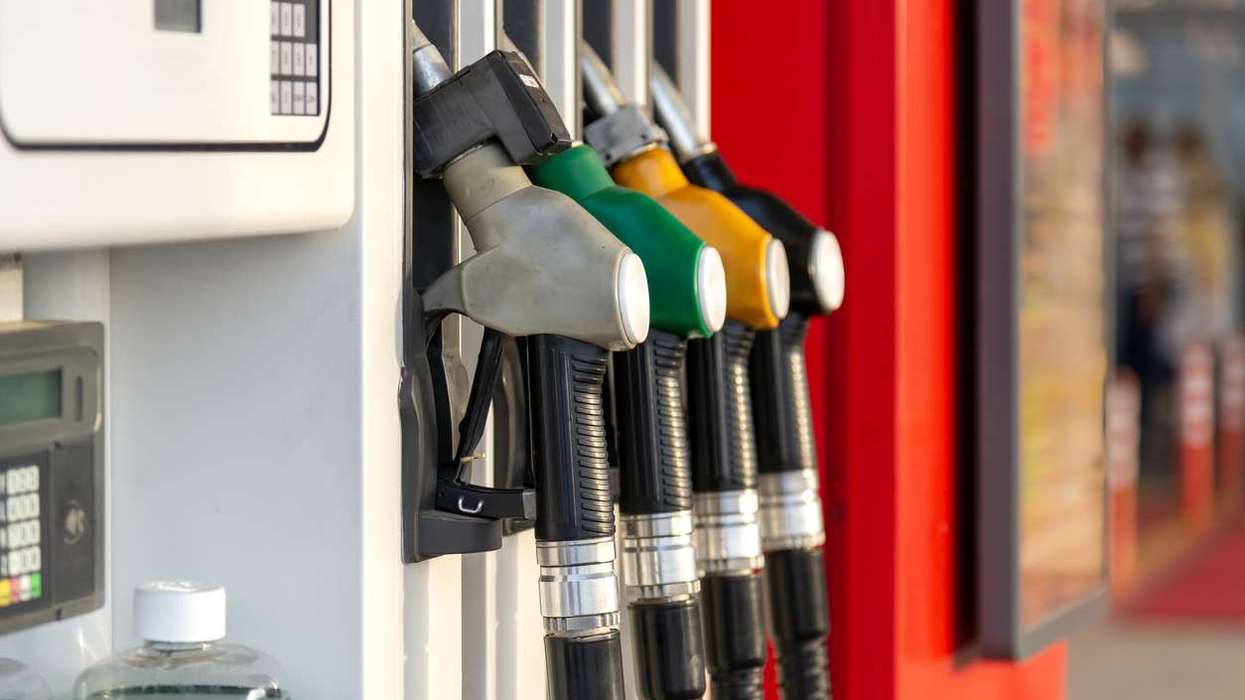

- Britain's energy price cap has risen, adding more than £220 a year to a typical household bill.
- Around 13.5 million households are now expected to be in fuel poverty.
- Campaigners warn many families will head into winter with little chance of clearing energy debts.
Britain's energy price cap has increased from July 1, pushing annual household energy bills higher and leaving millions more families at risk of fuel poverty as the country heads towards winter.
The latest increase means a typical household will pay the equivalent of £1,862 a year for gas and electricity under Ofgem's previous calculation method, more than £220 higher than before. Using a revised method that assumes lower energy use, the regulator estimates the average annual bill will be £1,663.
Campaigners say the higher energy bills will push the number of households living in fuel poverty to 13.5 million, up from almost 11.3 million in April. The figures, compiled by the End Fuel Poverty Coalition using research from the University of York, suggest a growing number of families are spending an unsustainable share of their income simply to keep their homes warm in winter and cool during hotter months.
Millions face a tougher winter
The coalition estimates that 5.5 million households will now spend around 20 per cent of their income on energy bills, compared with 4.3 million just three months ago.
Simon Francis, coordinator of the End Fuel Poverty Coalition, reportedly said the latest figures reveal the real impact of the price cap, arguing that an increasing number of households are being forced to spend an unsustainable proportion of their income on energy.
He also warned that rising bills during the summer could leave families with little opportunity to reduce existing energy debt or build up savings before colder weather arrives.
From July 1, electricity prices for households paying by direct debit have increased from 24.67p to 26.11p per kilowatt hour, while gas prices have risen from 5.74p to 7.33p per kilowatt hour.
Pressure grows on the government
Energy consultancy Cornwall Insight expects bills to remain broadly unchanged into the autumn. It forecasts the average annual bill will edge down to £1,654 from October under Ofgem's revised methodology, a reduction of just 0.5 per cent from July levels.
The latest increase has intensified calls for action on energy affordability. Unite has announced protests demanding lower energy prices and the return of energy companies to public ownership.
Unite general secretary Sharon Graham reportedly said the higher price cap was another blow for households already struggling with the cost of living, adding that the UK continues to have some of the highest energy bills in Europe.
The debate has also entered mainstream politics. Andy Burnham used a recent speech to argue for greater local control over essential services, including energy, as part of wider efforts to reduce household costs.
Campaigners say structural reforms are needed alongside any future changes, including a permanent social tariff, lower electricity prices and measures to break the link between gas and electricity costs.
The government said it recognises concerns over rising energy bills and pointed to recent measures, including removing some policy costs from household bills and expanding the Warm Home Discount scheme to cover around 6 million households.
Energy consumers minister Martin McCluskey reportedly said the government would continue monitoring the situation ahead of winter while pursuing its long-term plan to expand clean energy and reduce bills over time.





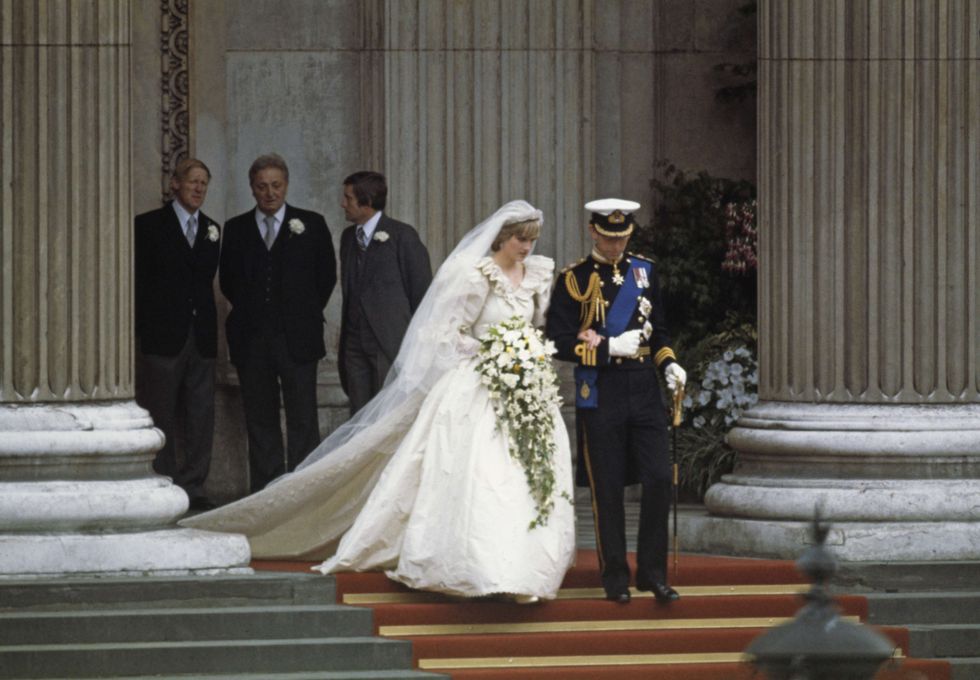 She quietly broke with centuries of royal tradition by omitting the word "obey"Getty Images
 A royal who was often ahead of her timeGetty Images
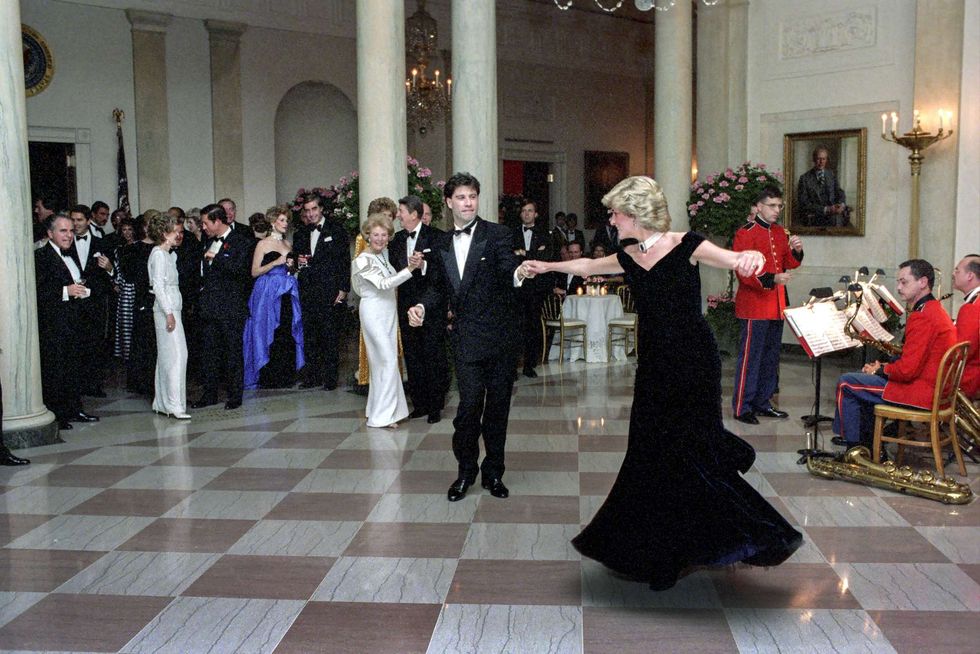 Her dance with actor John Travolta at the White House in an elegant off-the-shoulder velvet gownGetty Images
 Diana transformed royal fashion by embracing bold, contemporary styles that often made headlinesGetty Images