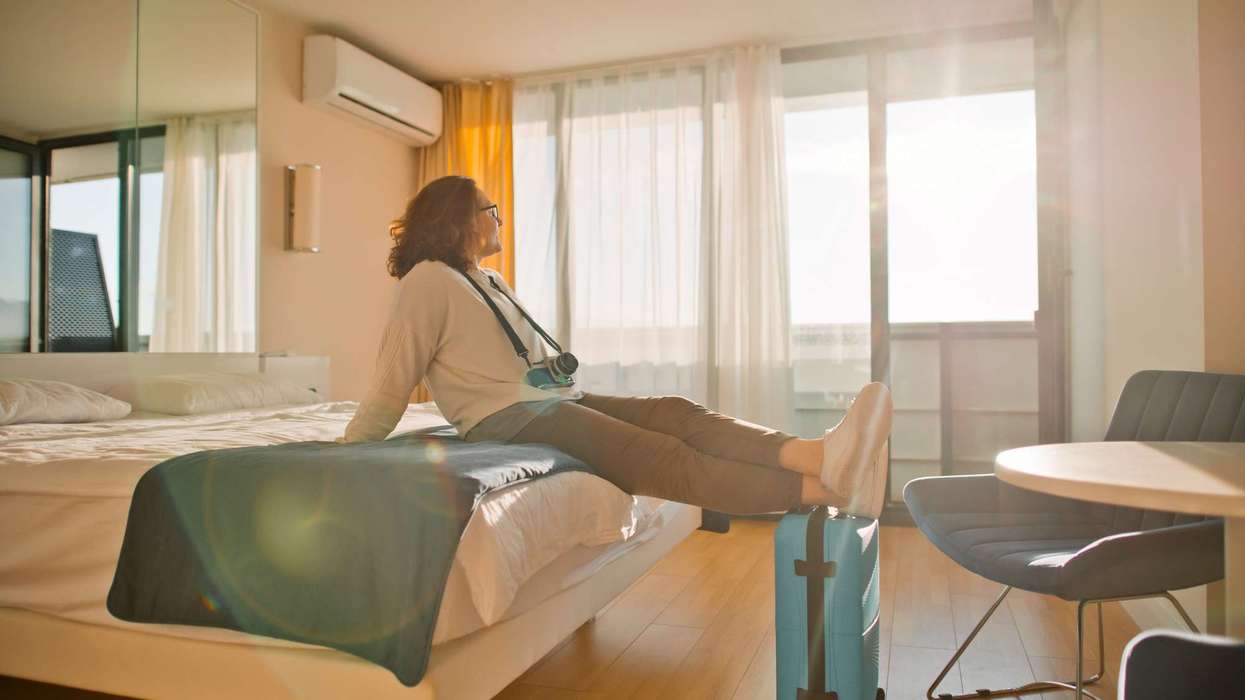

- Hotels across the UK are seeing a rise in bookings as families look for air-conditioned rooms during the heatwave.
- The rise in bookings comes as Britain experiences one of its hottest weeks on record.
- Parents with newborn babies are among those seeking overnight stays to escape soaring temperatures.
The UK heatwave is changing the way people book accommodation, with air-conditioned hotels reporting a surge in demand as families look for relief from record-breaking temperatures.
New data from Booking.com shows searches using the "air conditioning" filter have tripled across Great Britain since June 1, while payment platform Adyen said hotel revenue increased by 34 per cent between June 22 and June 25 compared with the same period in 2025.
The rise in bookings comes as Britain experiences one of its hottest weeks on record. The Met Office provisionally recorded a new June temperature record of 36.9C at Wattisham in Suffolk, while heat warnings were issued across large parts of England and Wales.
Air conditioning becomes the biggest selling point
Hotel operators say air-conditioned rooms have become one of the most requested features during the current spell of hot weather.
Heartwood Inns, which operates pubs with rooms across the UK, said occupancy reached 86 per cent during the week, with many properties close to full capacity. Around one in three callers reportedly asked whether rooms had air conditioning before making a booking.
The company also reported an increase in enquiries from parents with newborn babies who were looking for cooler rooms after struggling to keep their homes comfortable enough for their infants.
At Templeton Garden hotel in London, general manager Dean Culpan reportedly said the property had reached full occupancy as guests searched for cooler places to relax, work remotely or escape the city heat. He added that shaded outdoor spaces and terrace dining had also become increasingly popular during the heatwave.
The Feathers hotel in Woodstock reported a similar trend. Hotel operations manager Gemma Jones reportedly said occupancy had increased from 74 per cent to 81 per cent in a week, with many guests specifically asking whether bedrooms were air-conditioned before confirming their stay.
She also reportedly said several guests had chosen a hotel over staying at home because they expected a more comfortable night's sleep. Many bookings came from couples living within driving distance, while some visitors extended overnight stays into longer breaks.
Heat stretches beyond homes
The surge in hotel bookings comes as extreme temperatures continue to disrupt daily life across Britain.
Hospitals declared critical incidents after indoor temperatures rose sharply, while some cooling systems used for MRI scanners reportedly failed, forcing appointments to be cancelled. The Royal College of Physicians has called for greater investment in climate-resilient NHS infrastructure.
More than 1,000 schools across England and Wales were either fully or partially closed during the hottest part of the week. Rail operators advised passengers against non-essential travel on some routes as speed restrictions and cancellations were introduced to protect railway infrastructure.
Roads also suffered damage as extreme heat softened road surfaces in some areas, while parts of the London Underground recorded temperatures above 39C.
The Met Office said warmer conditions are expected to ease gradually over the weekend, with thunderstorms forecast for southern England before temperatures return closer to seasonal averages.