
Highlights
- 70 per cent experienced racism or unfair treatment linked to race, ethnicity or religion in the past year
- Three in four of those say it has affected their mental health
- 45 per cent of workers faced racism at work; 56 per cent doubt HR would take them seriously
- 36 per cent who faced racism in healthcare delayed or avoided appointments
SEVEN in 10 people from ethnic minority communities in the UK experienced racism or unfair treatment in the past year, with three-quarters of those affected saying it had harmed their mental health, a new study has found.
The Mental Health Foundation report, Always on guard: The impact of racism on the mental health of ethnic minority communities in the UK, published last week, found that 70 per cent had experienced racism linked to their race, ethnicity or religion in the past 12 months.
Of those, 75 per cent said it had affected their mental health, while 40 per cent described the impact as meaningful.
Researchers found that the effects went beyond individual racist incidents, with many people changing their behaviour, avoiding certain places and constantly anticipating further discrimination.
Half of those who had experienced racism said they always had to be on guard. The figure rose to 60 per cent among Bangladeshi respondents and 57 per cent among black Caribbean people.
The study, described by the charity as the first large-scale research of its kind covering five ethnic minority communities across all four UK nations, combined a survey of 2,506 adults with 12 focus groups involving 91 participants.
The survey, conducted by YouGov between December 2025 and January 2026, covered black African, Black Caribbean, Indian, Pakistani and Bangladeshi communities.
Racism changes everyday behaviour
More than half of those who had experienced racism said they had felt anxious or worried on at least several days during the four weeks before the survey. A similar proportion reported anger or frustration, while 44 per cent said they felt on edge or constantly watched in public.
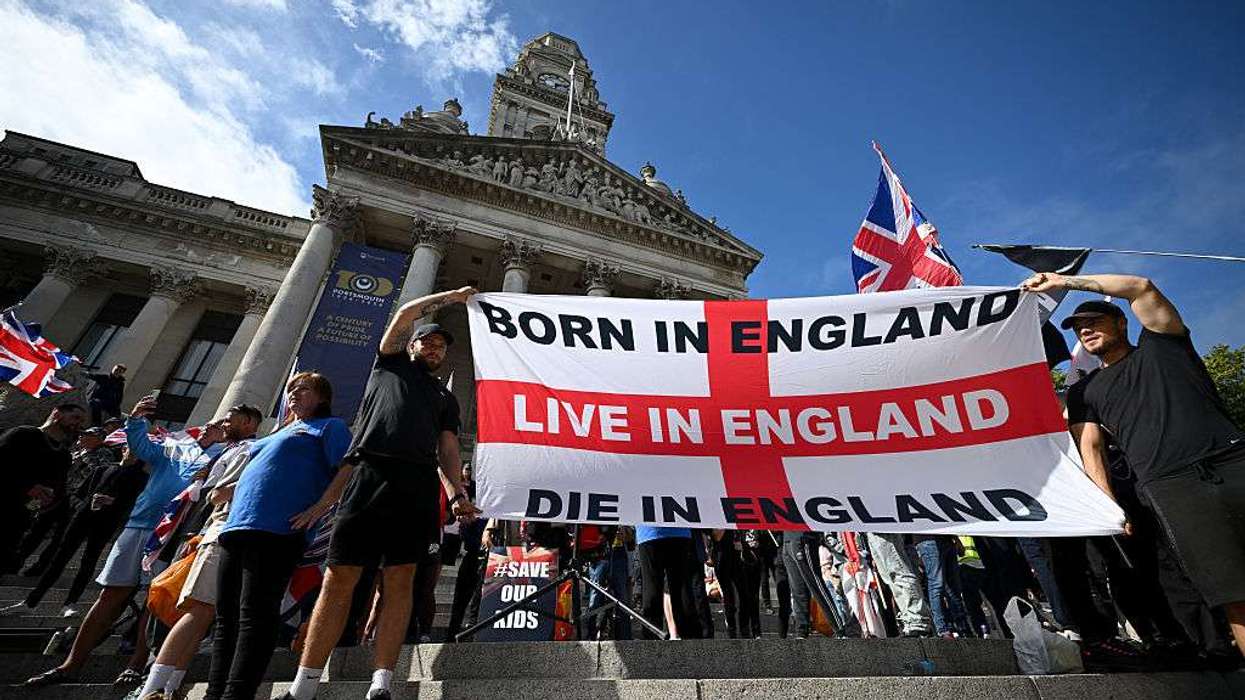
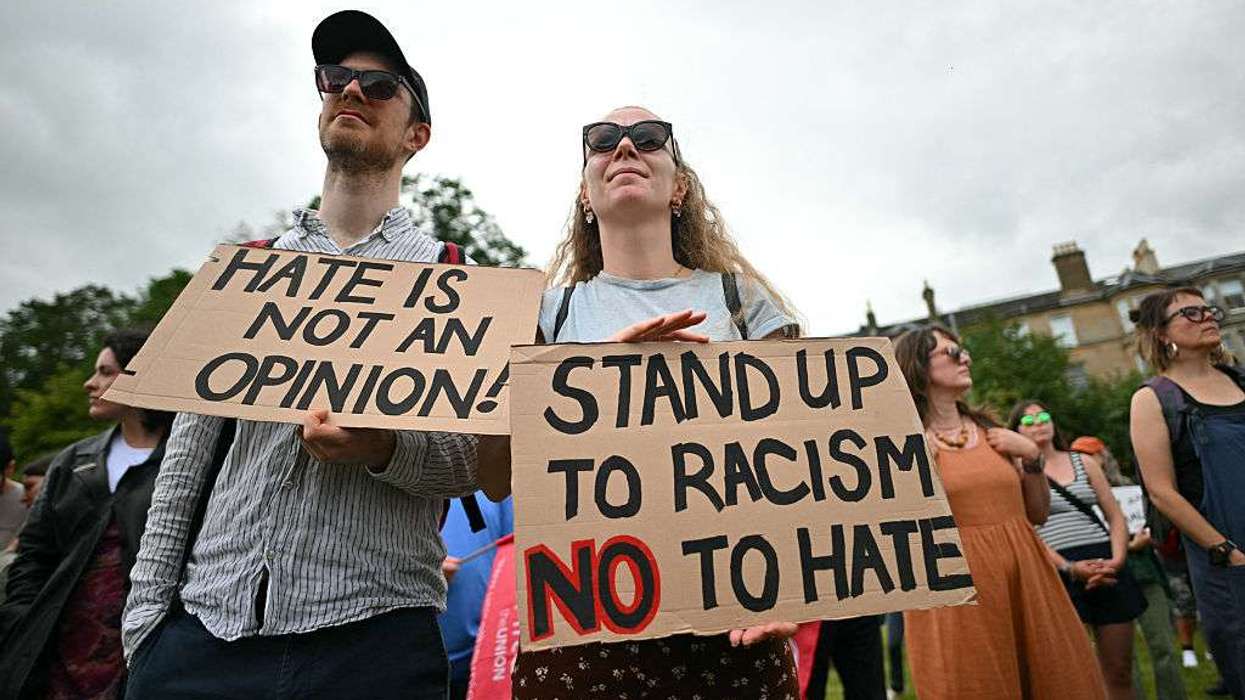
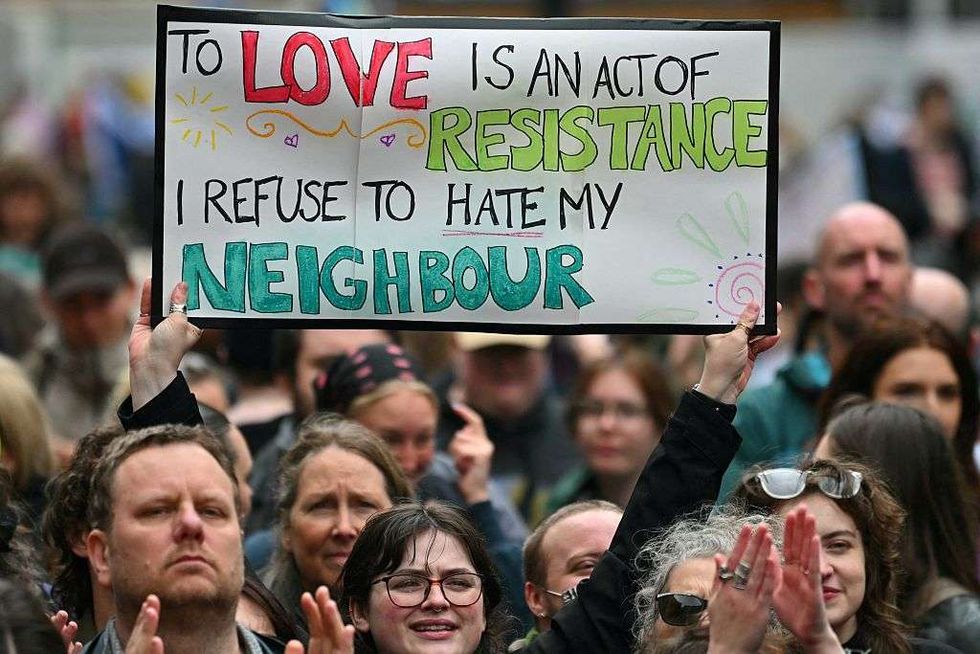 People take part in an anti-racism demonstration in central Glasgow, Scotland on June 13, 2026. (Photo by ANDY BUCHANAN / AFP via Getty Images)
Some 68 per cent of respondents said people had made assumptions about them based on their appearance or background, while 61 per cent said they had been treated with less respect than others. As many as 61 per cent of those who experienced unfair treatment had changed their behaviour, including avoiding certain places or changing the way they spoke.
An Indian man aged 18 to 25 from Birmingham said he took two buses home instead of one to avoid trouble.
“It was like can I be bothered to hear anything, or feel like I’m not wanted in this place?” he said.
Nearly half face racism at work
Workplaces were another major source of discrimination, with 45 per cent of working respondents reporting at least one form of racism in the past year.
The proportion ranged from 38 per cent among Bangladeshi workers to 51 per cent among black African workers.
Racist jokes or banter were the most commonly reported experiences, affecting 38 per cent of those who faced workplace racism. Some 27 per cent reported unfair treatment over promotion.
More than half (56 per cent) were not confident that human resources departments would take their complaints seriously, while 41 per cent of those who reported an incident were unhappy with the outcome.
The pressure to prove themselves at work was also highlighted, with 63 per cent of those who had experienced unfair treatment saying they felt they had to work harder to demonstrate their abilities. This rose to 71 per cent among Black Caribbean and 69 per cent among Bangladeshi respondents.
“In your workplace, you tend to dissect conversations that you’re in,” said a black African woman aged over 60 from Cardiff. “Your radars are going all the time.”
Many feel they have to prove they belong
The findings also highlighted the relationship between racism, religion and a sense of belonging.
Among people who had experienced unfair treatment, 62 per cent of Pakistani respondents and 55 per cent of Bangladeshi respondents linked it to their religion. The figure among Indian respondents was 29 per cent.
Although 68 per cent said they felt connected to the UK and 63 per cent were proud to live here, almost half (47 per cent) felt they had to prove they really belonged.
Only 39 per cent were confident that others accepted them as British. Women were less likely than men to feel accepted, at 36 per cent compared with 43 per cent.
A Bangladeshi woman from London said: “I can say I’m British, but you will never accept me as being British because I’m not white. You’re sort of on no-man’s-land in a way.”
Discrimination affects access to healthcare
Racism was also reported in healthcare settings. Almost a quarter (24 per cent) of respondents who had used healthcare services in the past year said they had experienced discrimination. Half of those affected said their symptoms had been dismissed or not taken seriously.
As a result, 36 per cent had delayed or avoided medical appointments, while 17 per cent had changed their GP or healthcare provider. A further 39 per cent had considered doing so.
A Black African woman in Belfast said her GP, whom she had visited for more than 30 years, still spoke to her slowly.
“I say ‘I understand English. I’m not deaf,” she said.
Concerns over a more hostile climate
More than half of respondents (54 per cent) believed the UK's record on tackling racism had worsened over the previous five years. Only a quarter (25 per cent) thought it had improved.
The study also found that 80 per cent felt distressed by racist incidents directed at other people, with 36 per cent experiencing these feelings weekly or daily.
Negative coverage of immigrants and ethnic minorities was another source of concern. More than half (51 per cent) said they saw such coverage in the news at least once a week, rising to 57 per cent on social media. Some 45 per cent said immigration policy made them feel less safe.
The summer 2024 riots also affected people's sense of security. A Bangladeshi woman in London said she had been afraid to leave her home.
“I didn’t leave the house, literally, because I was worried what’s going on outside,” she said.
Few seek professional support
Despite the reported impact on mental health, only five per cent of people who had experienced racism sought professional support.
The report suggested that a lack of culturally sensitive services and concerns that professionals may not understand their experiences could discourage people from seeking help.
“Counselling is not culturally sensitive,” said an Indian woman from Glasgow. “They don’t understand my point of view.”
Men were more likely than women to suppress their feelings about racism, at 43 per cent compared with 37 per cent.
Younger people also reported a greater emotional toll. Half of those aged 18 to 25 who had experienced racism said they felt emotionally exhausted, compared with 34 per cent of those aged over 60.
Calls for action
The Mental Health Foundation has called for racism to be recognised as a factor affecting mental health, with changes to clinical guidance across all four UK nations.
The report recommended that public institutions be required to publish strategies to prevent racism and provide data on complaints and how they are handled. It also calls for racism in workplaces to be treated as an occupational health issue.
“Anti-racist education” should be introduced from the early years, the report said, alongside greater funding for community and faith groups that ethnic minority people already turn to for support.
It also stressed the need to make mental health services more culturally sensitive so that people experiencing racism feel understood and are more confident about seeking professional help.
The researchers cautioned that the survey cannot establish that racism directly causes mental health problems. However, the findings highlighted the links between discrimination, anxiety, emotional exhaustion and changes in everyday behaviour.