
TODAY, there is much talk about water scarcity and other ecological challenges that humanity is facing. Human beings are at the root of all these issues.
If any other species had perpetrated the kind of damage we have done to the planet, we would have found a way to deal with them. If billions of Martian locusts landed here and began to cut through all our trees, turn our soil into deserts and suck the water out of our rivers, we would have definitely exterminated them. But the problem is not alien locusts. It is us.
Since we are the source of the problem, we can also be the source of the solution. We are a problem only because we are in an unconscious, compulsive mode of action. If we were conscious, we would naturally be a solution. This is why I have been working with the United Nations and various other agencies and proposing the idea of a “conscious planet” movement.
There are 5.2 billion people living in countries with the ability to vote and elect their nation’s leadership. We are looking at how to get at least three billion people on board so that ecological concerns become the issues that lead to governments being elected.
We want to make these three billion people aware of at least five ecological factors that must happen in their country and two or three aspects that must not happen. If we do this, then ecology will become, if not number one, at least the number two issue in election manifestos.
As a part of the “conscious planet” movement, I am trying to bring focus to the most important aspect of rejuvenating earth: the soil. Everything you see as life on this planet – including worms, insects, birds, animals, plant life and ourselves – happens out of just thirty-nine inches of soil profile. The real damage is happening to this topsoil, which sustains every life that we know.
If we can ensure the soil is organically rich and healthy, the planet will be capable of regenerating itself and we will be able to manage the other problems, to a large extent.
More than 95 per cent of the global population currently has absolutely no awareness of the impending ecological disaster around them.
Environmental awareness is confined only to a small segment of people, and even among them, the idea of ecology is largely limited to using less water while showering or turning off the tap when brushing the teeth. It is wonderful that people are conscious about what they are using, but this is not a comprehensive ecological solution. Only when ecology becomes an election issue will it become government policy and only then will there be large budgets allocated so that solutions manifest.
If we want to make this happen, there has to be a marriage between economy and ecology. Today, we have structured society in such a way that the two are in conflict with each other. If we pitch ecology versus economy, economy will always win. You can see this happening everywhere in the world. But restoring ecology can actually be very lucrative. This is the essence of our ‘Cauvery Calling’ campaign, to revitalise the river Cauvery in southern India.
We have been looking at transitioning farmers from short-term farming to longterm agroforestry – tree-based agriculture, the practice of tree cultivation along with other crops. In this process, farmers would plant 2.42 billion trees in the Cauvery river basin. This will bring one-third of the basin under shade, in turn increasing groundwater levels and restoring the flow of the river. Moreover, farmers will benefit from improved soil fertility, better crop yields and, above all, an exponential surge in their income.
In Tamil Nadu, we have converted 69,760 farmers into tree-based agriculture and within five to seven years, their wealth has increased by 300 to 800 per cent. We want to make ‘Cauvery Calling’ a demonstrable large-scale model that can be replicated for other rivers.
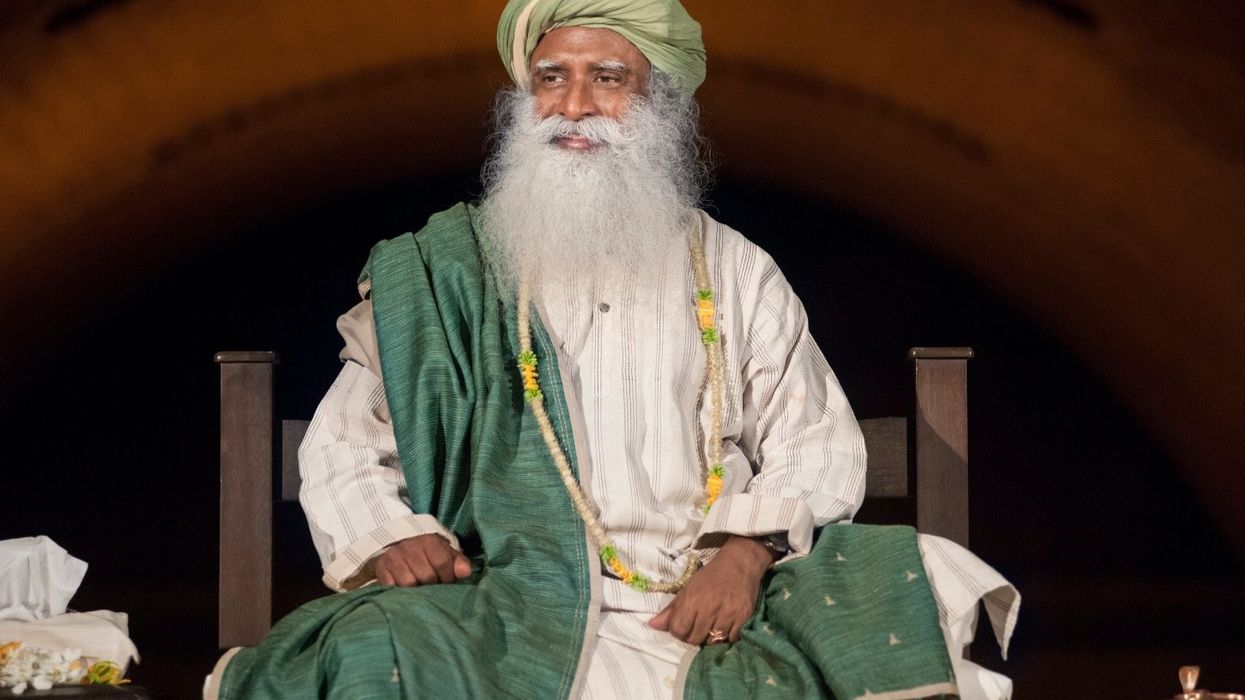
Ranked among the 50 most influential people in India, Sadhguru is a yogi, mystic, visionary and also a bestselling author. He was honoured with the Padma Vibhushan, India’s highest civilian award, in 2017, for exceptional and distinguished service.




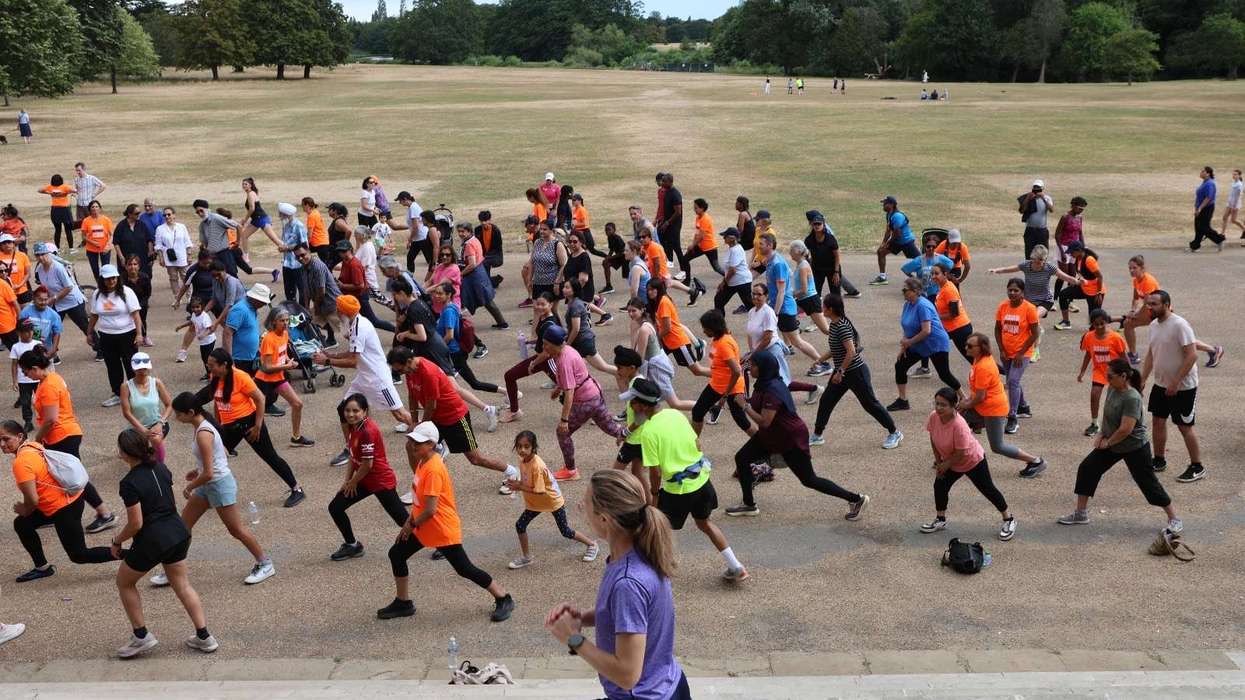
 Participants set off on the 5K and 10K routesMinreet Kaur

