
If you happen to be in London’s Brick Lane this April 14, get ready because you’re about to step into a world where colours dance, music electrifies, and the aroma of sizzling street food wraps around you like a warm cosy embrace. The Boishakhi Mela, Europe’s largest Bengali festival, is back, and this year, it’s pulling out all the stops.
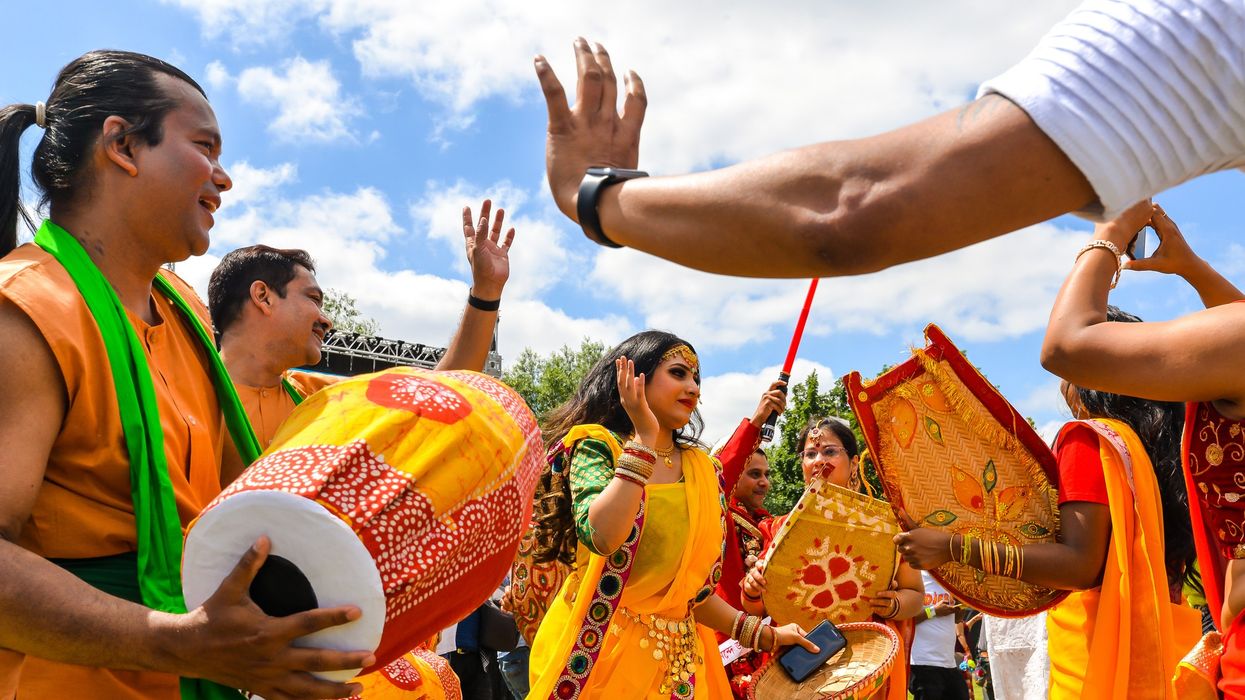
 The rhythm of dhak drums echoes through Tower Hamlets during Boishakhi MelaiStock
Tower Hamlets will be buzzing with energy, as thousands gather to welcome the Bengali New Year known as Pohela Boishakh in true, unfiltered, larger-than-life style. Picture a sea of red and white saris, the deep, echoing beats of dhak drums, and a city block transformed into a cultural carnival straight out of Dhaka or Kolkata. It’s truly a homecoming, or maybe a statement, and a party rolled into one.
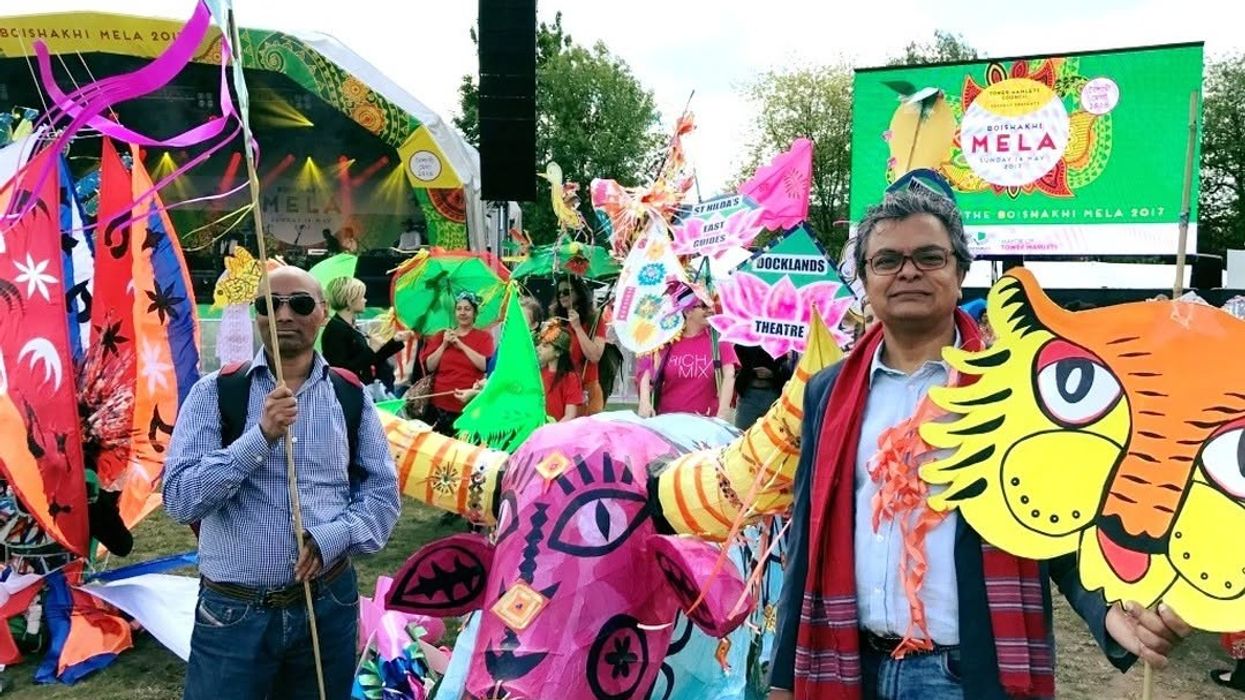 Larger-than-life puppets and folk performers lighting up LondoniStock
A stage set on fire
This year, the star power is through the roof. Picture this: the Grand Parade, a riot of colour and sound, winds its way through Brick Lane, led by drummers, dancers, and larger-than-life figures. Yes, we will get into that soon! The air is thick with the aroma of biryani, pithas, and jalebees, as local chefs serve up authentic Bengali delicacies. On multiple stages, artists like Kanak Chapa and Sabbir Zaman will entertain audiences with their timeless melodies, while young performers present the whole evolution of Bengali culture. You can expect everything from soulful melodies that make you sway to beats that demand you get on your feet.
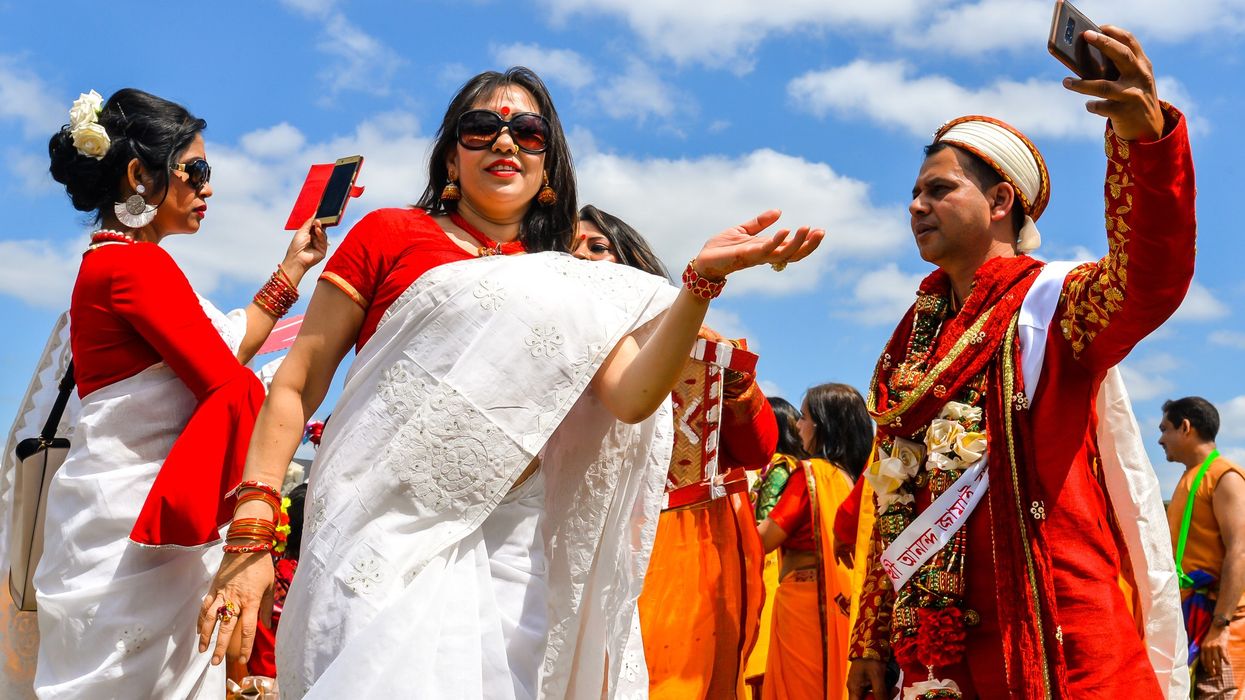 A sea of red and white saris – a visual feast at the heart of the festivaliStock
But it’s not just the stars who will steal the show. The Grand Parade is a spectacle all on its own. Larger-than-life puppets of Bengal’s majestic tiger and the elegant Bangla Queen will glide through the streets, leading a whirlwind of drummers, dancers, and folk performers. It’s an absolute riot of colour and culture and energy, a colourful reminder that Bengali culture is as vibrant and beautiful as ever.
Brick Lane’s ultimate feast
Forget fancy restaurants because trust me, this is where real Bengali food takes centre stage. The air will be thick with the heady spices of biryani, the crunch of fuchka breaking apart in your mouth, and the sweet, sticky indulgence of jalebees dripping with syrup. Whether you’re grabbing a plate of piping-hot pithas or sipping on a refreshing glass of borhani, one thing is assured - every bite is going to be a celebration.
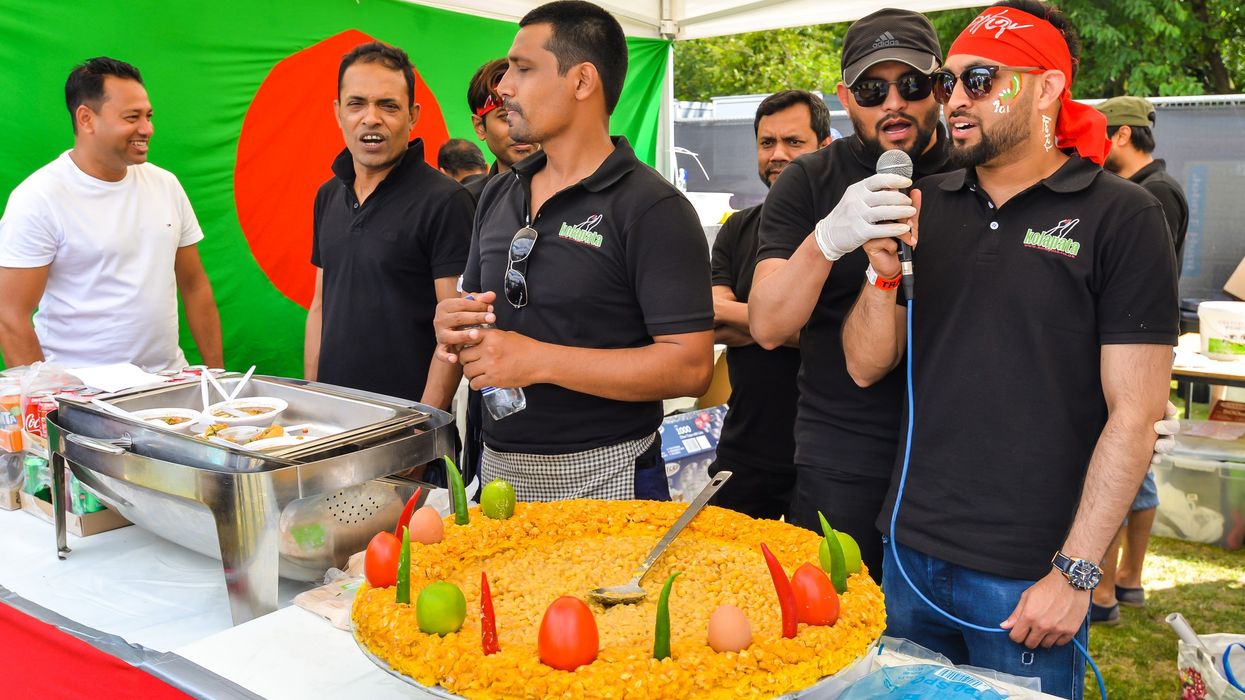 Indulging in the irresistible flavours of authentic Bengali street foodiStock
For one day, London will taste like Bengal, and food lovers, you can be in absolute paradise. If you leave without an overflowing stomach and a food coma creeping in, you’re doing it wrong.
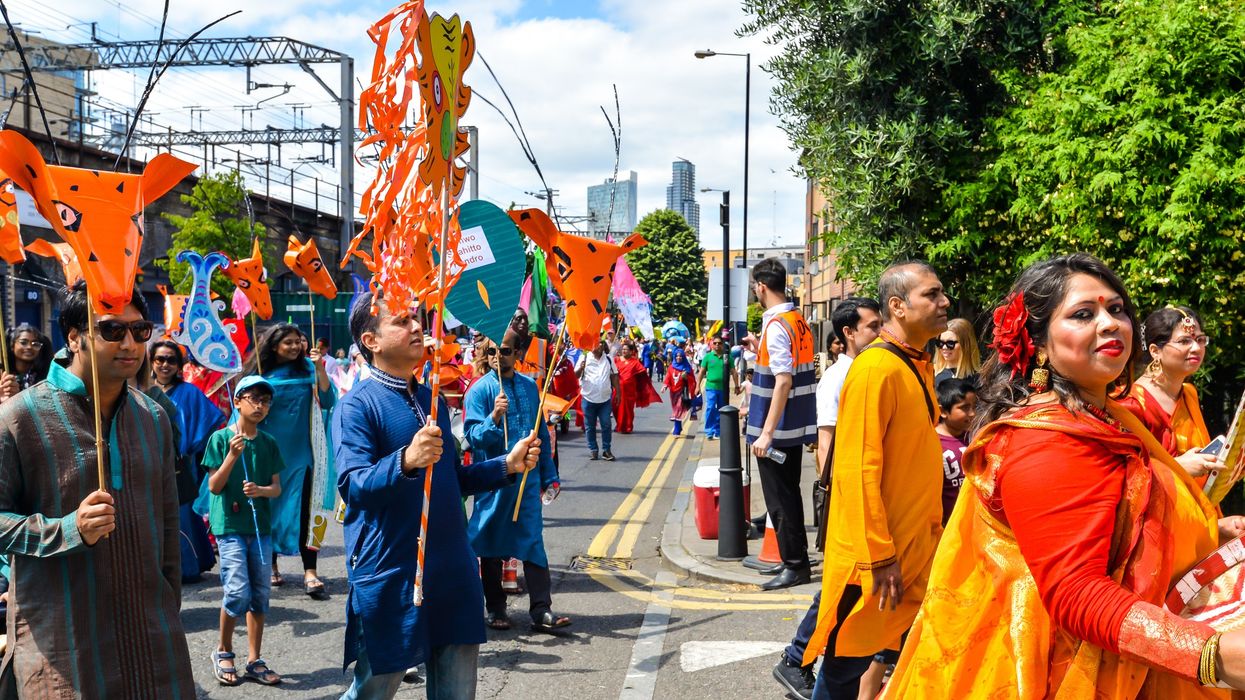 The streets of Brick Lane come alive with the vibrant colours of Pohela BoishakhiStock
From Banglatown to the world
The most exciting part? For the first time ever, Boishakhi Mela 2025 is going global. This year, the entire event will be streamed live, making sure no one, whether in Dhaka, Dubai, or Dallas, misses out on the magic. If you can’t be there in person, you can still soak up the music, the performances, and the street festival vibes from anywhere in the world.
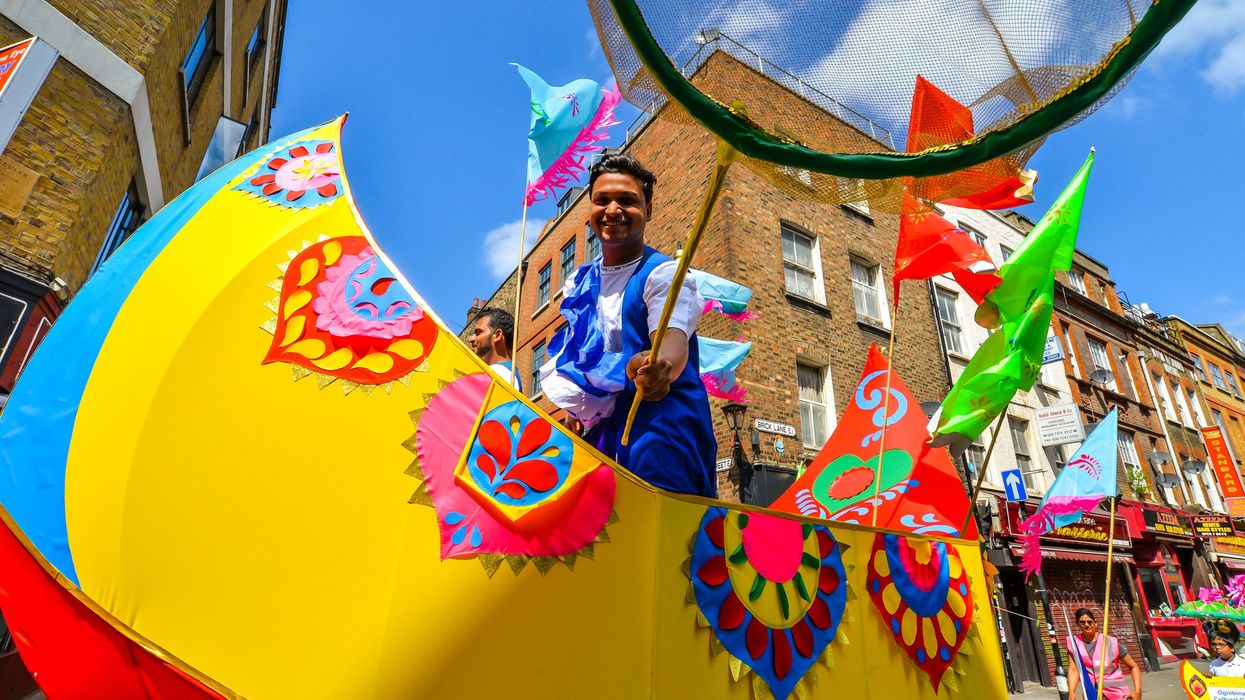 A Grand Parade full of energy, culture, and celebrationiStock
More than convenience, it’s about bringing the Bengali spirit to every corner of the globe. This is a festival that refuses to be confined, that almost breaks borders and invites everyone to the party.
More than a celebration, it’s a legacy
While the music, food, and performances make headlines, Boishakhi Mela is about something much bigger. It’s about keeping Bengali culture alive and thriving in the heart of Britain. It’s about the next generation of British Bengalis finding a piece of themselves in the drumbeats, the poetry, and the swirling sarees.
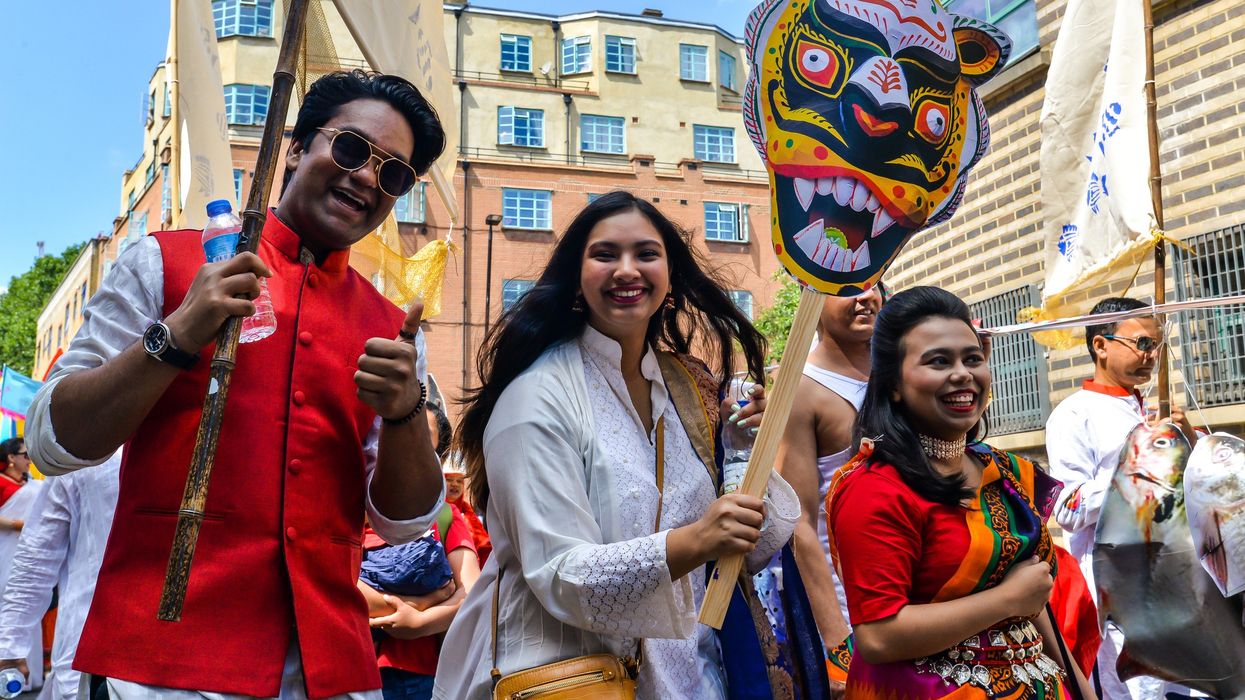 A celebration of Bengali heritage in the heart of LondoniStock
Through art exhibitions, storytelling sessions, and workshops, the Mela isn’t just throwing a party, it’s also about passing down a legacy, like proof that cultures can adapt, evolve, and flourish, and make home far from home.
Don’t just watch—Be part of it
But listen, this isn’t the kind of festival you just attend; it’s one you lose yourself in. Whether you’re dancing in the streets of Banglatown, stuffing your face with street food, or watching the performances from a screen halfway across the world, you’re going to be part of something bigger.
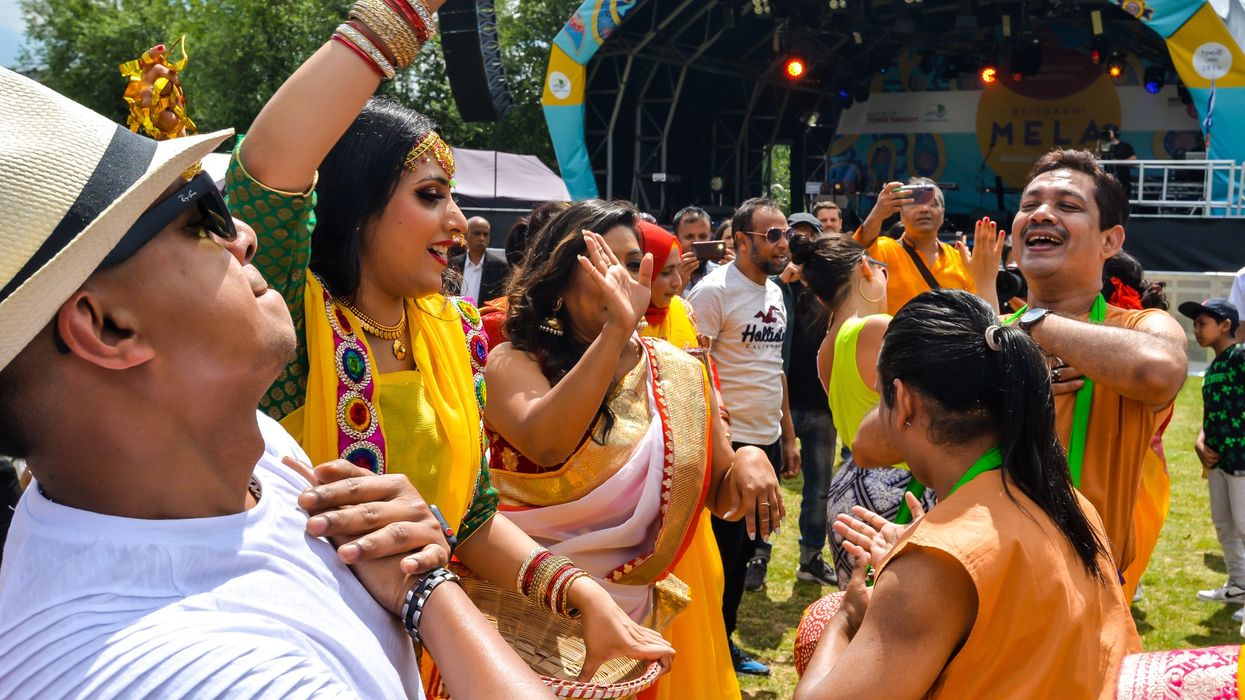
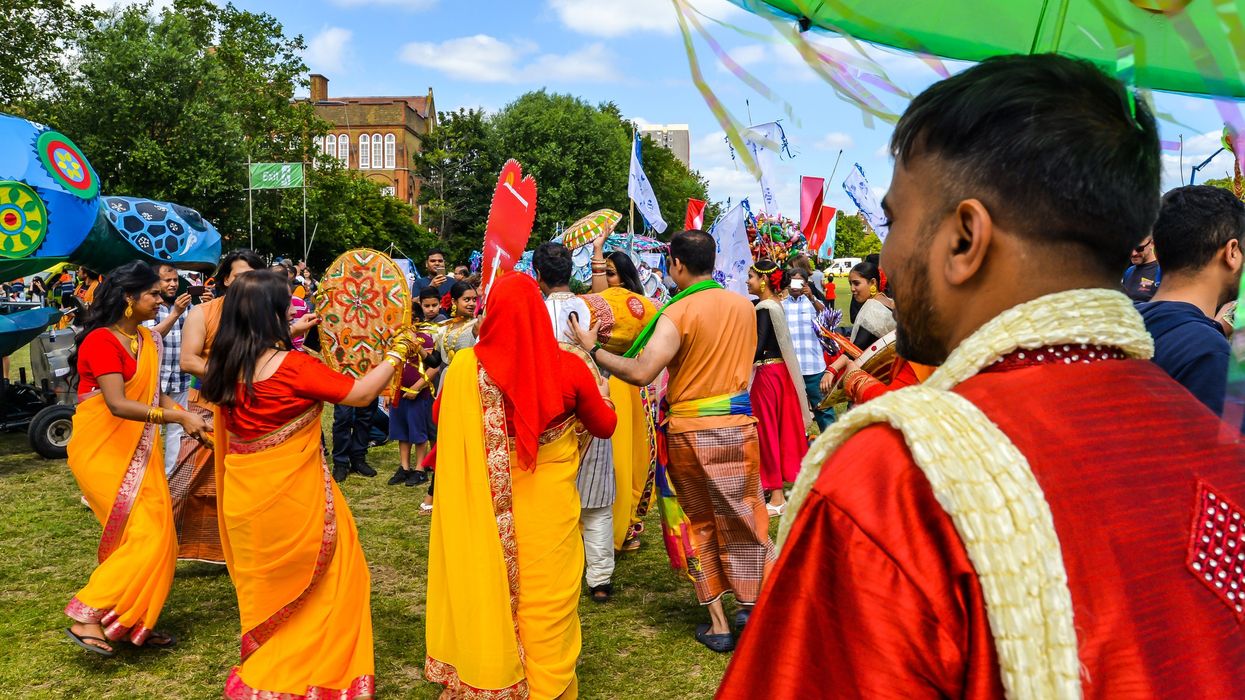 The crowd sways to the timeless melodies and beats iStock
So, mark your calendar, join the celebration, feel the rhythm and just live the culture because, let me tell you, it’s unmissable.
See you there.


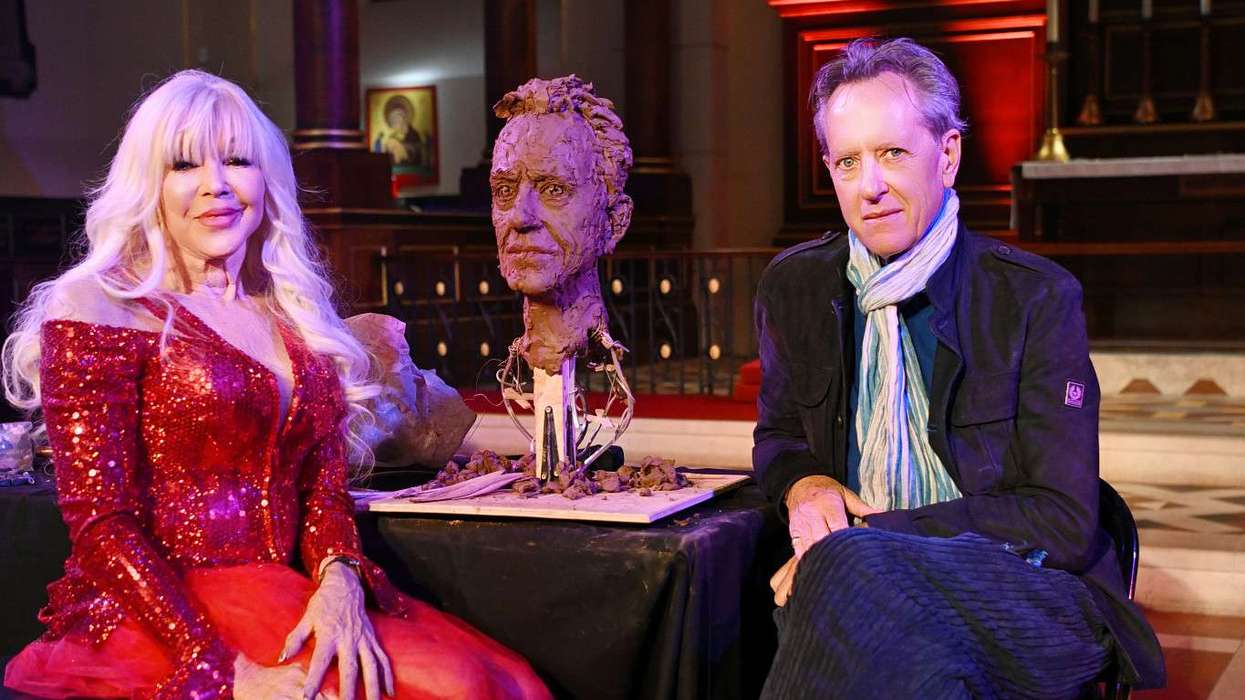
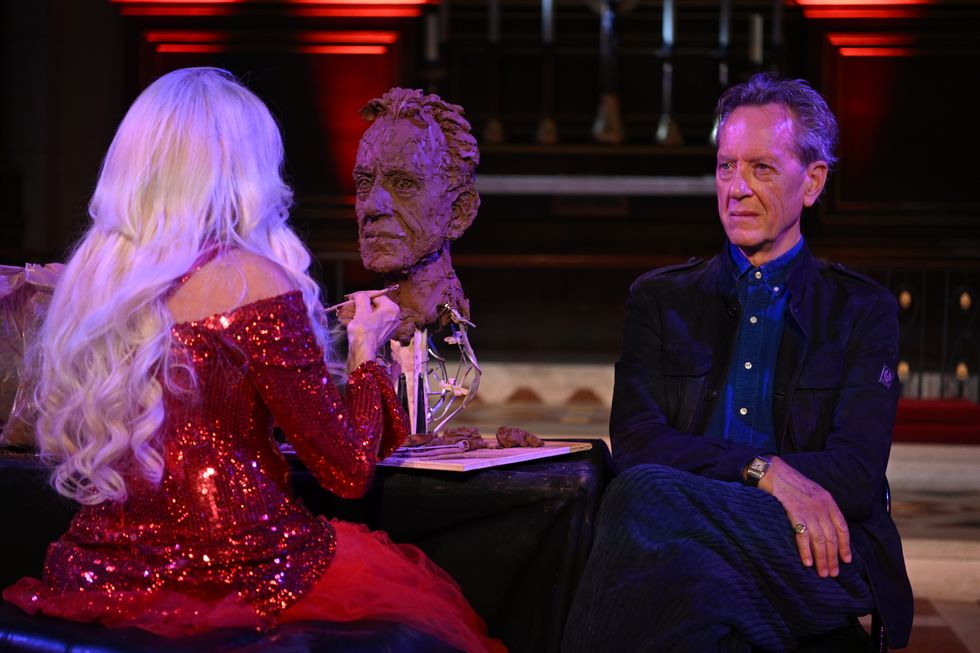 Frances Segelman makes bust of Richard E GrantSophie Dunne
 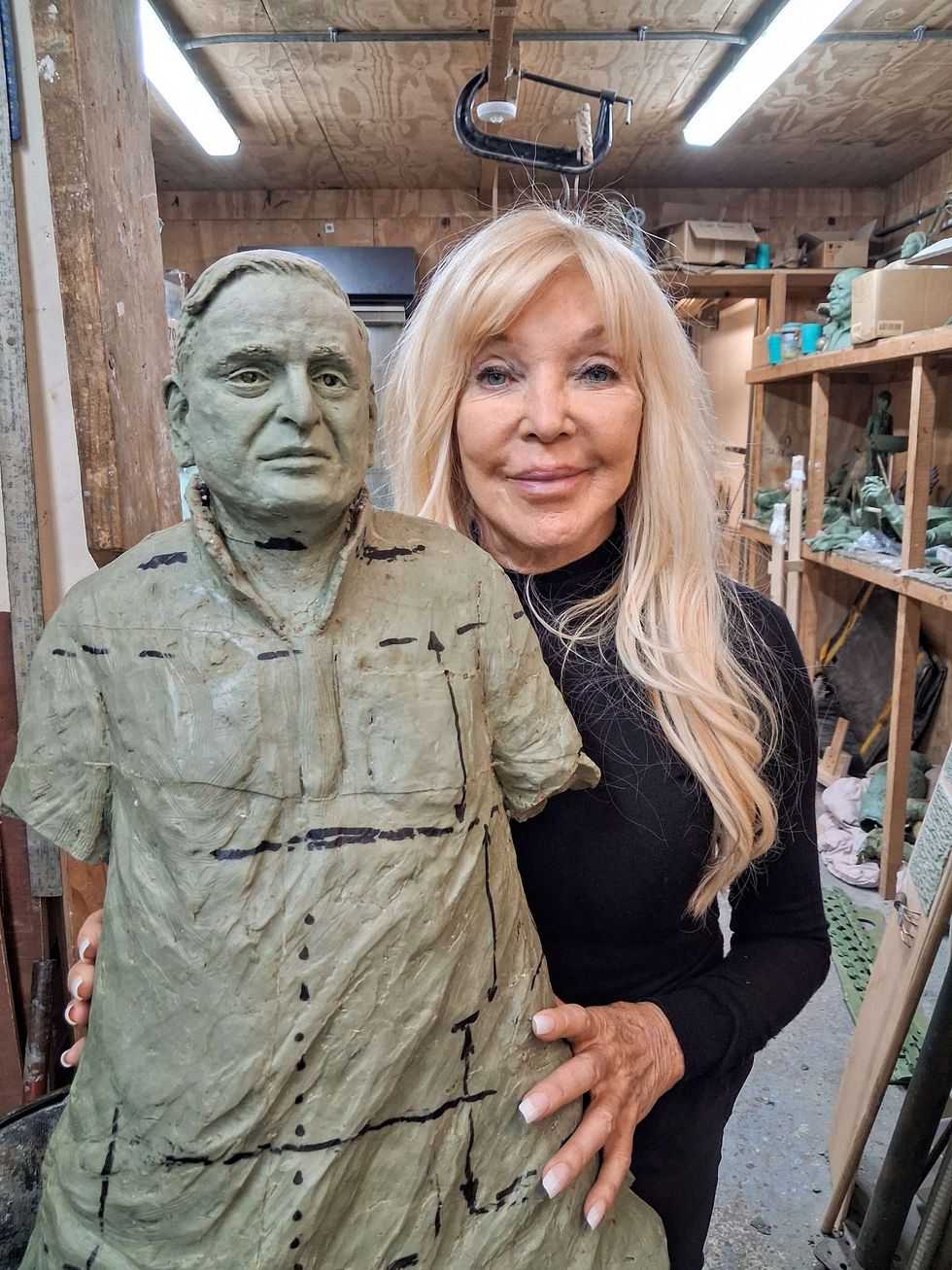 Frances Segelman with maquette of Mulayam Singh Yadav Sophie Dunne
 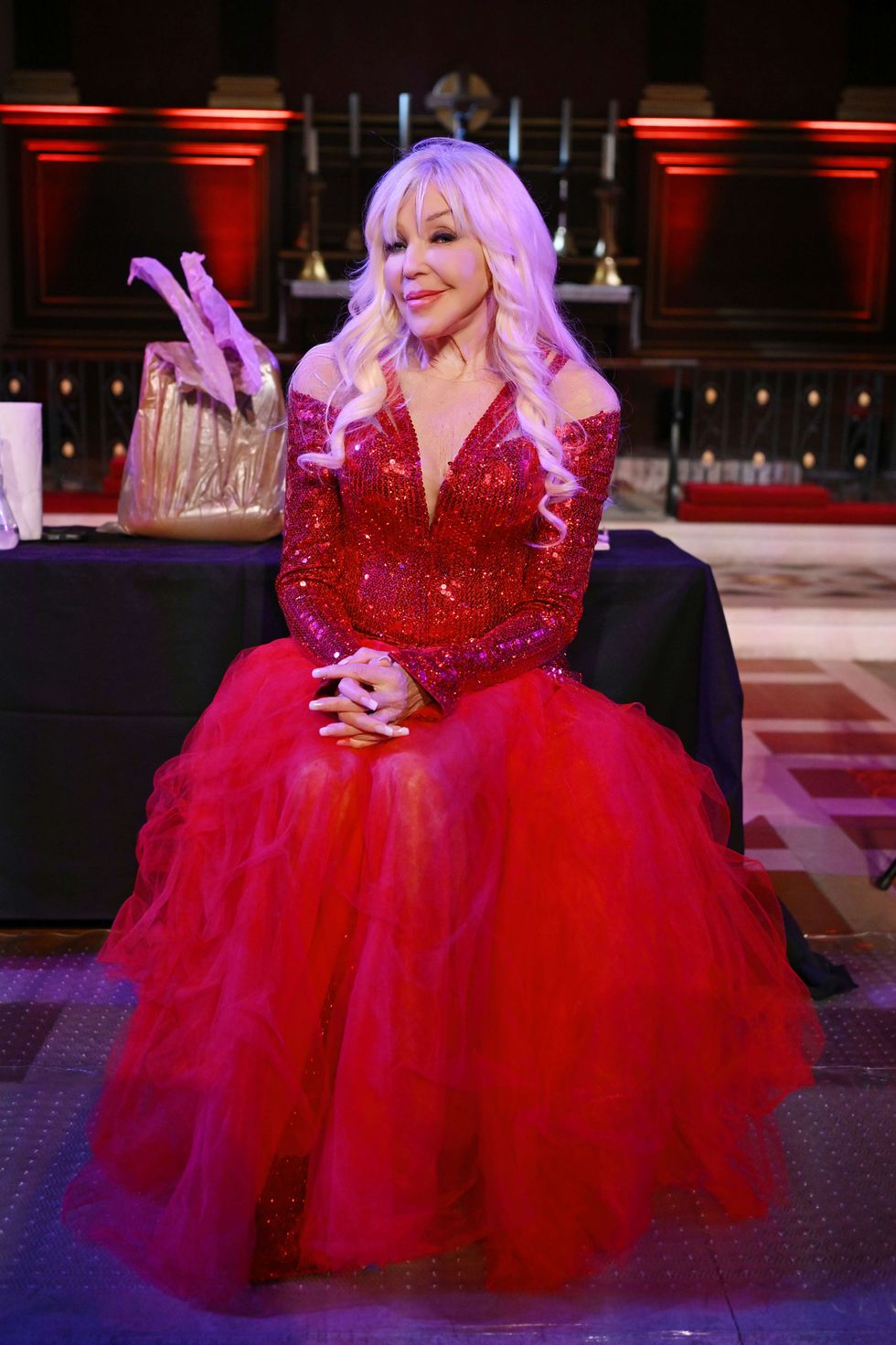 Frances Segelman was dressed by KruszynskaSophie Dunne
 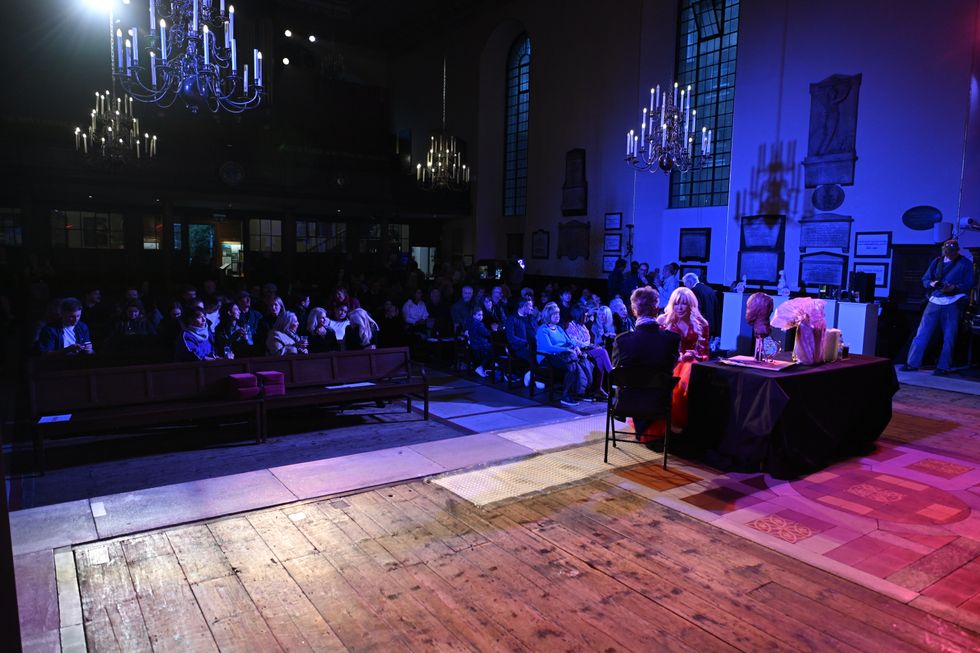 Frances Segelman live sculpting Richard E Grant in Actors' Church in Covent Garden.Sophie Dunne