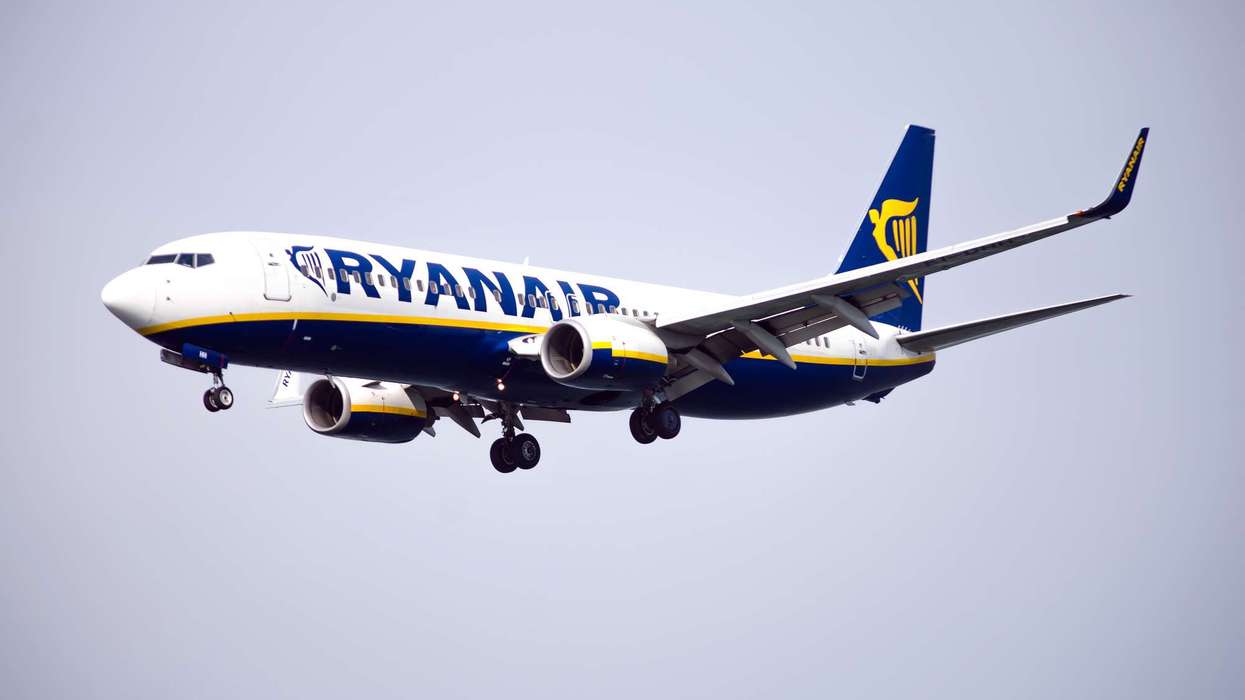

- Ryanair expects its fuel bill to rise by around €2bn in the financial year ending March 2028 if current prices persist.
- The airline is considering temporary pay freezes, lower crewing ratios and greater use of artificial intelligence to control costs.
- Chief executive Michael O’Leary expects European air fares to rise by double-digit percentages next year as fuel costs increase.
Ryanair is considering temporary pay freezes for staff as it prepares for a potential €2bn increase in fuel costs, with the airline warning that higher jet fuel prices could persist well into 2027 unless the conflict in the Middle East is resolved.
The Irish budget carrier said rising fuel expenses were unlikely to be fully offset by higher ticket prices, prompting a wider review of costs across its operations.
The proposed measures include renegotiating labour agreements, reducing crew numbers where possible and using artificial intelligence (AI) to improve productivity in operational and back-office functions.
Ryanair also expects European short-haul air fares to increase significantly next year as airlines pass on higher fuel costs to passengers.
Chief executive Michael O’Leary said the company was facing a substantial increase in expenses as existing fuel hedges expire.
“Unless there is a swift resolution of the Middle East conflict, we expect jet-fuel prices to remain elevated well into 2027,” he said.
Ryanair estimates that its fuel bill could increase by around €2bn in the financial year ending March 2028, based on current forward prices. The company said higher fares would not be enough to cover the entire increase.
O’Leary has previously suggested that European air fares could rise by between 10 and 20 per cent next year, as airlines contend with more expensive fuel and tighter capacity.
Fuel hedges offer limited protection
Ryanair has been partly protected from the surge in energy prices through fuel hedging, a financial arrangement that allows airlines to lock in prices in advance.
Around 80 per cent of its fuel requirements through March 2027 are hedged at approximately $67 a barrel. However, the remaining 20 per cent is exposed to market prices, which have roughly doubled.
For the following financial year, the airline has secured hedges for only 25 per cent of its fuel requirements at around $95 a barrel, leaving a larger proportion exposed to price fluctuations.
The pressure is already reflected in its latest financial results. Ryanair reported a 15 per cent fall in first-half profit after tax to €2.15bn for the six months ended September 30, compared with €2.54bn a year earlier.
Revenue increased by 3 per cent to €10.08bn, while passenger numbers rose 6 per cent to 125.8 million. However, average fares declined by 4 per cent as higher fuel costs and weaker booking patterns weighed on the business.
The airline said operating costs increased by 10 per cent to €7.69bn during the period, partly because of the doubling in the price of its unhedged fuel.
Passengers could face higher fares
The prospect of higher ticket prices comes as airlines across Europe prepare for a more expensive operating environment.
Ryanair believes rising fuel costs and capacity constraints across the aviation industry will put upward pressure on short-haul fares. However, the company has warned that even significant increases may not fully compensate for its higher fuel bill.
The airline is also examining negotiations with airports and other suppliers as part of its cost review.
For employees, the possibility of temporary pay freezes could become a point of contention as labour agreements come up for renegotiation. Ryanair has not announced a final decision on the proposal. The BBC reported that it had contacted Unite, the union representing the airline's employees, for comment.
The latest review follows earlier capacity reductions. Ryanair has cut its passenger target for the current financial year from 216 million to 214 million, partly to limit its exposure to expensive unhedged fuel.
The airline is therefore facing pressure on two fronts: controlling operating expenses while managing the possibility that higher ticket prices could affect demand.
If fuel prices remain elevated, the cost of flying could become a more significant factor for both airlines and passengers heading into 2027.