
- £11.8bn ($15bn) investment planned by 2030
- China already accounts for about 12 per cent of revenue
- Workforce expected to cross 20,000
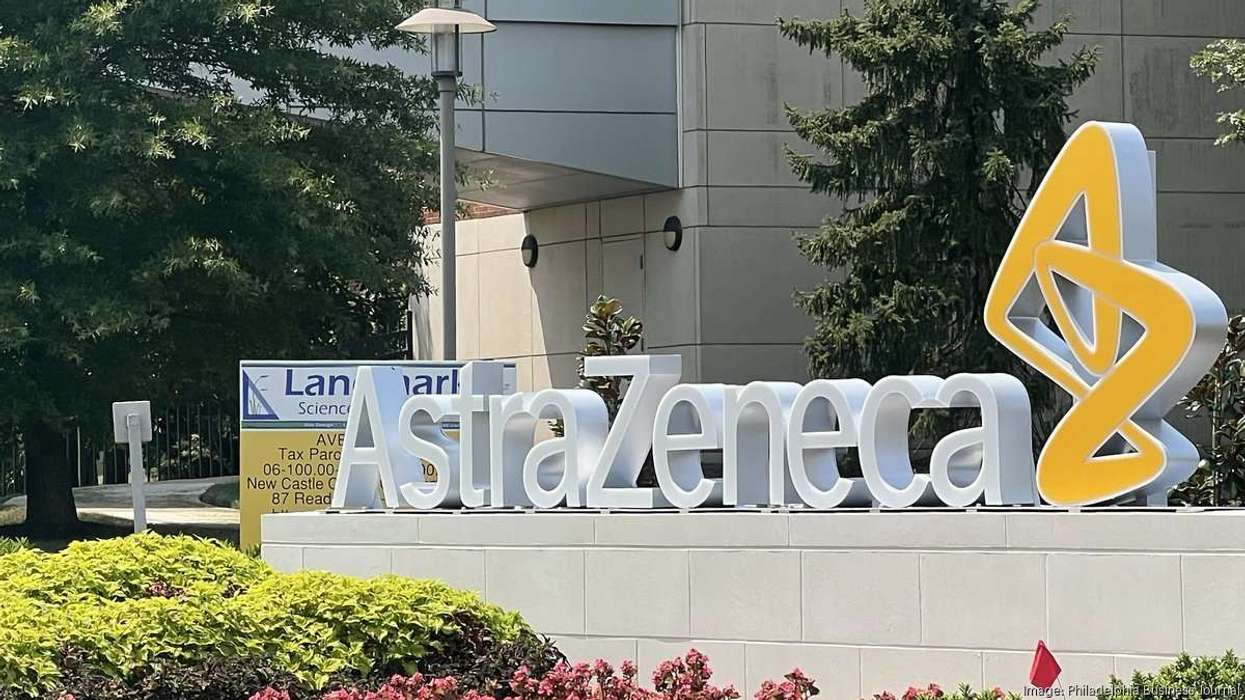
British pharmaceutical giant AstraZeneca has committed to investing £11.8bn ($15bn) in China by 2030, aiming to expand its medicines manufacturing and research and development operations.
The announcement was made on Thursday during UK prime minister Keir Starmer’s visit to Beijing and is the largest commercial deal unveiled during the trip. The move signals a renewed effort by Britain to strengthen economic ties with China, even as relations with the US remain strained.
Starmer welcomed the investment, reportedly saying the expansion would help the company continue to grow while supporting thousands of jobs in the UK.
AstraZeneca said this is its largest-ever investment in China, where it has operated for more than 30 years and is currently the biggest foreign drugmaker. China is the company’s second-largest market, contributing around 12 per cent of its total revenue.
The commitment comes despite recent challenges, including the arrest of the company’s China president in 2024. It also follows a £39bn ($50bn) manufacturing investment announced in the US last year, underlining AstraZeneca’s global expansion strategy rather than a shift towards any single market.
Chief executive Pascal Soriot reportedly said the investment would build on existing research hubs in Beijing and Shanghai. The centres already work with more than 500 hospitals across China and have supported global clinical trials.
Manufacturing, biotech and new therapies
The new funding will expand manufacturing sites in Wuxi, Taizhou, Qingdao and Beijing, which AstraZeneca says supply medicines both domestically and to around 70 markets worldwide.
The company said the investment would also strengthen its capabilities in emerging treatment areas such as cell therapy and radio conjugates, fields where China is increasingly seen as a global leader. Following its 2024 acquisition of Gracell Biotechnologies, AstraZeneca said it would become the first global biopharmaceutical company with end-to-end cell therapy capabilities in China.
The expansion is expected to lift AstraZeneca’s China workforce to more than 20,000.
China’s fast-growing biotech sector has become a major source of early-stage drug development, a trend highlighted by industry executives at the JPMorgan Healthcare conference earlier this month. AstraZeneca has already signed more than a dozen partnerships with Chinese biotech firms, including AbelZeta, CSPC, Harbour BioMed, Jacobio and Syneron Bio.
While the long-term impact of the investment will depend on regulatory, political and market conditions, the scale of the commitment underlines China’s continued importance to AstraZeneca’s global plans.